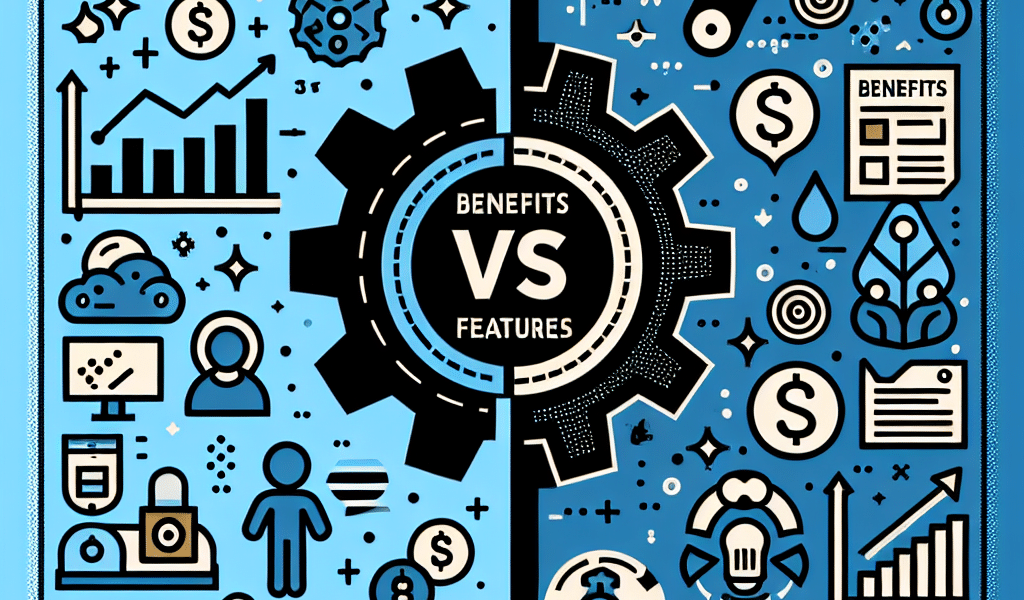
In the fast-paced world of marketing, understanding the distinction between benefits and features can significantly influence a campaign’s effectiveness. While many marketers focus heavily on features—what a product or service does—it’s the benefits that truly resonate with customers and motivate them to make a purchase. In this article, we’ll delve into the critical differences between benefits and features, explore their respective roles in marketing, and illustrate how a deeper comprehension of these elements can lead to more successful marketing strategies.
Understanding Features
Features refer to the specific attributes or characteristics of a product or service. They are often tangible, technical details or specifications that describe what the product is or what it can do.
Characteristics of Features
-
Quantifiable and Objective: Features can often be measured or quantified. For instance, a smartphone might have a battery life of 12 hours, a camera with 48 megapixels, or 128GB of internal storage. These specifications provide concrete information about the product.
-
Detail-Oriented: Features are all about specifics. They focus on what is included in the product—its capacity, size, color options, or technology used.
- Essential for Comparison: Features enable consumers to compare products within the same category. If someone is shopping for a laptop, they might look at RAM size, processor speed, weight, and battery life to determine which one best meets their needs.
Examples of Features
- Product A: Comes with a high-resolution display (1080p), 256GB SSD, and 16GB RAM.
- Product B: Offers a dual-camera setup, enhanced night mode, and water resistance.
Features serve as the backbone of a product’s specifications, helping consumers understand what distinguishes one product from another. However, features alone often fail to inspire action or connection.
Understanding Benefits
Benefits, on the other hand, describe the value or advantage that a customer gains from a feature. Instead of focusing solely on the product itself, benefits highlight how it addresses a need, solves a problem, or enhances the customer’s experience.
Characteristics of Benefits
-
Emotionally Driven: Benefits appeal to emotions. They often connect with the customer’s feelings, desires, or aspirations. A benefit describes how a product will make someone’s life easier, happier, or more successful.
-
Value Proposition: The benefit is closely tied to the value a consumer perceives in a product. It clarifies why someone should choose one product over another, often by elucidating what they stand to gain.
- Consumer-Centric: Benefits are framed around the consumer’s perspective. They answer questions like "What’s in it for me?" or "How does this improve my life?"
Examples of Benefits
- Product A: "With our high-resolution display, you’ll enjoy stunning visuals, making your movies and games come alive."
- Product B: "The dual-camera setup captures every detail of your adventures, ensuring your memories are vivid and unforgettable, regardless of lighting conditions."
Benefits transform features into relatable advantages that resonate with consumers’ needs and motivations. They explain the ‘why’ behind the purchase.
The Importance of Differentiating Between Features and Benefits
Recognizing the difference between features and benefits is crucial for marketers aiming to create compelling campaigns. Many marketing messages fall flat when they focus too heavily on features and neglect the emotional appeal of benefits.
The Customer’s Journey
During the customer’s journey, potential buyers progress through various stages—awareness, consideration, and decision-making.
-
Awareness Stage: In this initial phase, customers often seek information. While features can help create awareness, it’s the benefits that capture attention. Marketers must hook potential customers with engaging narratives about how their product improves life, meets needs, or solves problems.
-
Consideration Stage: After awareness, customers evaluate their options. Here, a balance is necessary—consumers might compare features of different products. Still, the benefits remain central to their evaluations. Highlighting unique benefits can create differentiation in a crowded marketplace.
- Decision-Making Stage: At this stage, customers are poised to make a decision. The benefits often tip the scale, influencing them to choose one product over another. Testimonials, case studies, and social proof that emphasize benefits can bolster the final decision.
Crafting Messages that Emphasize Benefits
Knowing how to articulate benefits effectively can make a significant difference in marketing success. Here are several strategies to help focus messaging on benefits rather than features:
1. Use the "So What?" Test
When crafting marketing messages, a useful exercise is to apply the "So what?" test. For every feature mentioned, ask, “So what does that mean for the customer?” This question continuously steers the focus from mere details to the relevance and significance those details hold for the customer.
For example:
- Feature: This blender has a 1200-watt motor.
- Benefit: With our powerful blender, you can whip up smoothies in seconds, making it easier to maintain a healthy lifestyle.
2. Tell a Story
Creating narratives around the benefits of a product can enhance understanding and relatability. Storytelling engages potential customers emotionally, illustrating how a product transforms lives or resolves problems.
Incorporating real-life testimonials, case studies, or user experiences can further personalize the connection, making it easier for potential customers to envision themselves benefiting from the product.
3. Focus on Pain Points
Identify the pain points or challenges faced by your target audience. By articulating benefits that directly address these issues, you demonstrate empathy and understanding. This approach allows individuals to see your product as a solution to their problems.
For instance, instead of merely listing the features of a fitness app, you could highlight its ability to help users stay accountable in their fitness journeys, ultimately enabling them to achieve their health goals.
Measuring the Impact of Benefits-Driven Marketing
Once a business pivots to a benefits-driven marketing approach, measuring the impact is essential to assess effectiveness and optimise strategies. Here are a few methods to consider:
1. A/B Testing
A/B testing allows marketers to compare the effectiveness of different messages. By presenting one version focused on features and another on benefits, firms can analyse which resonates more with audiences.
2. Customer Feedback
Collecting and analysing customer feedback can provide insights into which benefits are most appealing. Surveys, reviews, and testimonials can uncover perceived value and highlight the benefits consumers appreciate most.
3. Sales Metrics
Monitoring sales data post-campaign can indicate the success of a benefits-based approach. An increase in conversion rates after emphasizing benefits could validate the strategy.
Training Your Team
To successfully implement a benefits-focused marketing approach, it’s essential to ensure that your entire team is aligned.
-
Workshops and Training: Conduct training sessions to help marketers articulate benefits clearly. Use real examples to illustrate how features translate into meaningful benefits for customers.
-
Collaborative Brainstorming: Encourage cross-functional collaboration to brainstorm and refine messages focusing on benefits. Different perspectives can lead to richer insights and innovative approaches.
- Continual Learning: Marketing trends evolve rapidly, and continuing to learn about customer preferences and market dynamics will keep messaging fresh and relevant.
By delving into the nuances of benefits versus features, marketers can develop more compelling and impactful strategies that resonate deeply with consumers, fostering loyalty and driving growth. Consider your audience, tailor your message, and emphasize the value your product or service brings to their lives. Through intentional marketing practices, brands can transcend mere transactions and cultivate lasting relationships with their customers.
Dublin's ROI-Driven Digital Marketing Agency Home
Related Posts
 SEO content writing best practices
 Laser Focus Boost B2B Marketing with Better Focus
 Enterprise SEO May Be Your Key to Higher Revenue Entrepreneur
 SERP Features How to Capture Featured Snippets in the Irish SERP
 The Micro-Influencer Advantage Why Smaller Works Better in Ireland
 Beyond Keywords Why Semantic SEO is Key to Irish Visibility
 Why Expert Content Creation is Key to Digital Success
 How to Leverage FAQs for Better Customer Engagement