Digital marketing has fundamentally shifted the way businesses connect with consumers. With the rise of the internet and digital devices, the marketing landscape has transformed, leading to the evolution of a new marketing paradigm that leverages online communication channels. In this article, we delve into the intricacies of digital marketing, exploring its definition, components, various strategies, and its significance in today’s business environment.
What is Digital Marketing?
At its core, digital marketing refers to any marketing efforts that utilize the internet or electronic devices. It encompasses a broad range of activities aimed at reaching customers through various digital channels. The primary objective of digital marketing is to engage and build relationships with consumers, guiding them through their purchasing journey, while also promoting brand awareness and loyalty.
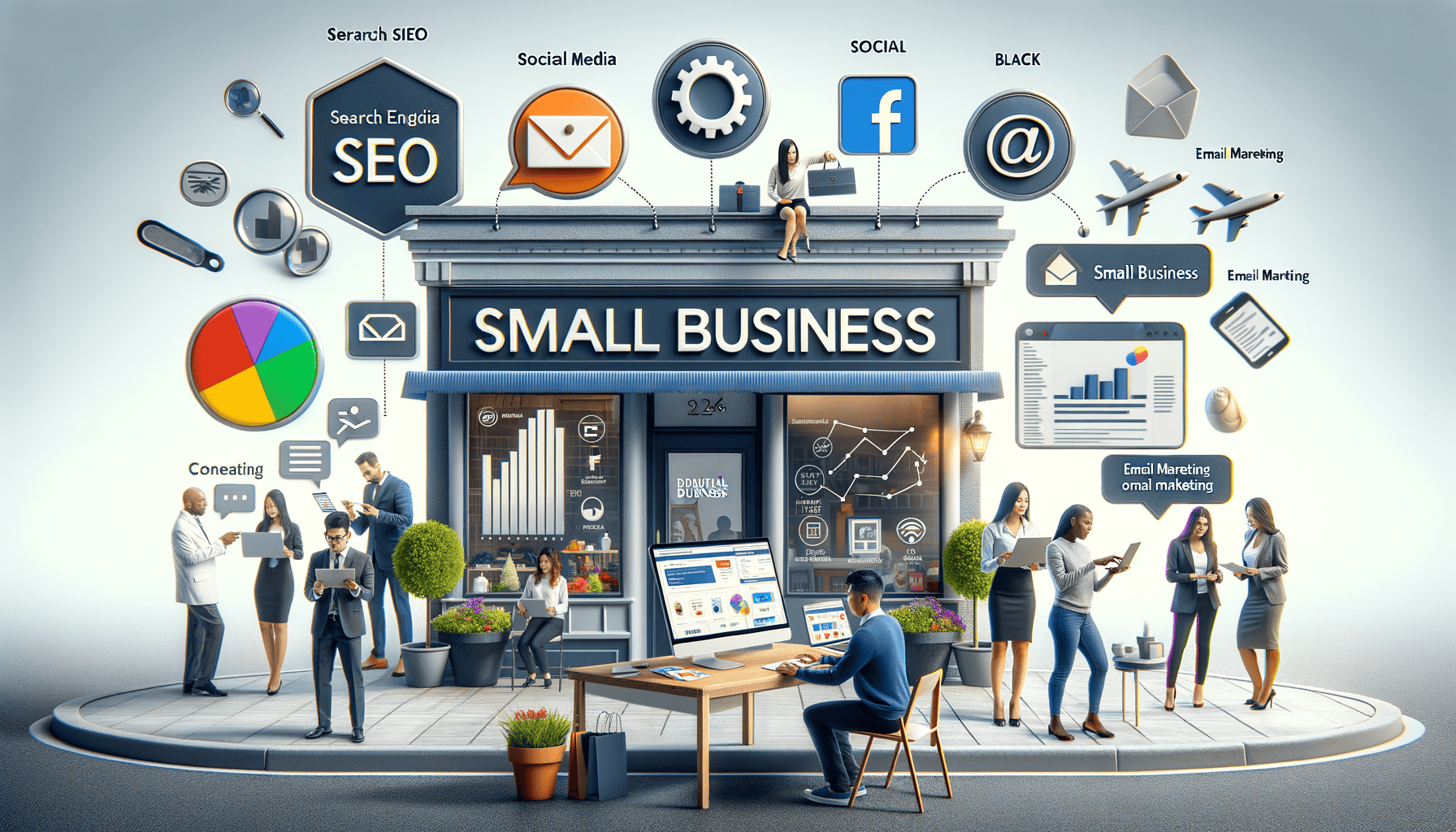
Digital marketing is not confined to just one specific tactic or approach. It is a multifaceted strategy that can include various components such as search engine optimization (SEO), social media marketing, email marketing, content marketing, pay-per-click (PPC) advertising, affiliate marketing, and more. Each of these components plays a crucial role in shaping a comprehensive digital marketing strategy.
The Components of Digital Marketing
-
Search Engine Optimization (SEO):
SEO is the practice of enhancing a website’s visibility on search engines like Google. By optimizing website content and structure, businesses aim to rank higher in search engine results pages (SERPs) for targeted keywords. SEO involves both on-page (optimizing content and HTML source code) and off-page (building backlinks) strategies. -
Content Marketing:
Content marketing focuses on creating, sharing, and distributing valuable content to attract and engage a target audience. This can include blog posts, articles, infographics, videos, podcasts, and more. The ultimate goal is to provide informative content that positions the brand as an authority in its industry while building trust and credibility with consumers. -
Social Media Marketing:
With billions of users on platforms like Facebook, Twitter, Instagram, LinkedIn, and Snapchat, social media marketing has become essential in reaching consumers where they spend their time. Brands use social media to share content, interact with their audience, and promote products or services. Social media advertising allows for targeted approaches based on user demographics, interests, and behaviors. -
Email Marketing:
Email marketing involves sending promotional messages or newsletters directly to a list of subscribers. This channel allows businesses to maintain communication with their customers, share valuable information, and promote their offerings. Effective email campaigns often include personalized content that resonates with the recipient’s interests. -
Pay-Per-Click (PPC) Advertising:
PPC is a model of online advertising where businesses pay a fee each time their ad is clicked. Google Ads is a prominent example of PPC advertising, allowing companies to bid for ad placements in search results. This approach can lead to immediate traffic and is often used in conjunction with SEO efforts. -
Affiliate Marketing:
In affiliate marketing, businesses partner with affiliates (individuals or companies) who promote their products in exchange for a commission on sales generated through their referral. This strategy expands the company’s reach and leverages the influence of affiliates. -
Influencer Marketing:
This involves collaborating with influencers—individuals with a significant following on social media or other online platforms—who promote products or services to their audience. Influencer marketing capitalizes on the trust and relationship that influencers have cultivated with their followers. -
Analytics and Data Analysis:
Digital marketing campaigns are data-driven. By leveraging analytics tools, marketers can track website traffic, user behavior, conversion rates, and more. This data provides insights that can be used to fine-tune strategies, targeting, and overall marketing efforts for better ROI (Return on Investment).
The Importance of Digital Marketing
The rise of digital marketing can be attributed to several factors. The growth of the internet has significantly altered consumer behavior; today, individuals are more likely to research products online before purchasing. Digital marketing enables businesses to reach consumers in their digital spaces, creating opportunities for engagement and conversion.
-
Broad Reach:
Digital marketing allows businesses to reach a global audience without the geographical limitations of traditional marketing methods. Online platforms facilitate the promotion of products and services to potential customers anywhere in the world. -
Cost-Effectiveness:
Compared to traditional marketing channels such as print media or television, digital marketing can be more cost-effective. For instance, social media platforms and email marketing offer affordable advertising options, making it accessible for businesses of all sizes. -
Targeting Capabilities:
Digital marketing provides powerful tools for audience targeting. Businesses can utilize demographic data and user behavior to target specific segments, ensuring that their message reaches the right people at the right time. -
Measurable Results:
One of the most significant advantages of digital marketing is the ability to measure and analyze results. Marketers can track KPIs (Key Performance Indicators) such as traffic, conversions, and ROI, providing insights into the effectiveness of their strategies. -
Enhanced Engagement:
Digital marketing facilitates two-way communication between brands and consumers. Through social media, comments, and emails, customers can easily interact with businesses, providing feedback and fostering a sense of community. -
Adapting to Trends:
The digital marketing landscape is dynamic, with new trends and technologies emerging regularly. This adaptability allows businesses to pivot their strategies in response to changes in consumer behavior, technological advancements, and market conditions.
Digital Marketing Strategies
To effectively engage with consumers, businesses often employ a mixture of digital marketing strategies. The key to success lies in understanding the target audience and selecting the appropriate channels and tactics.
-
Integrated Marketing:
An integrated digital marketing strategy combines various tactics to create a cohesive message across multiple channels. For example, a campaign could include SEO, PPC, and social media marketing to maximize reach and engagement. -
Content-Driven Strategies:
High-quality content is central to digital marketing success. Companies can create content that addresses consumer pain points, educates them about products, or entertains them, leading to increased engagement and brand loyalty. -
Personalization:
Utilizing data analytics, businesses can tailor their messaging to individual preferences. Personalized marketing, whether in email campaigns, website content, or social media ads, fosters stronger connections with consumers. -
Mobile Optimization:
As mobile devices dominate web traffic, optimizing for mobile users is crucial. Ensuring websites are mobile-friendly and adapting marketing efforts for mobile platforms enhances user experience and engagement. -
Social Media Engagement:
Maintaining an active social media presence is vital. Regularly engaging with followers, responding to comments, and sharing relevant content fosters community and nurtures relationships. -
Continuous Learning and Adaptation:
The digital landscape is constantly evolving, and staying updated on trends, tools, and audience preferences is essential. Continuous learning allows businesses to remain competitive and innovative.
Challenges in Digital Marketing
While digital marketing offers many advantages, it is not without challenges. Businesses must navigate a landscape filled with noise and competition, while also addressing issues related to privacy, data protection, and platform changes.
-
Increased Competition:
The accessibility of digital marketing has led to increased competition. Standing out in a crowded marketplace requires innovative strategies and an understanding of market positioning. -
Privacy Concerns:
With growing awareness of data privacy, consumers are becoming more cautious about sharing personal information. Marketers must navigate these concerns carefully while still gathering necessary data for targeted marketing. -
Ad Blockers:
The use of ad blockers has become widespread among internet users. This trend can impede the visibility of traditional digital ads, necessitating creative approaches to reach audiences. -
Algorithm Changes:
Changes in search engine and social media algorithms can significantly impact visibility and reach. Staying informed about algorithm updates is crucial for maintaining an effective digital marketing strategy.
In summary, digital marketing is a dynamic and essential component of modern marketing strategies. Understanding its various components and strategies allows businesses to leverage the power of digital channels, fostering stronger connections with consumers and achieving their marketing goals effectively.