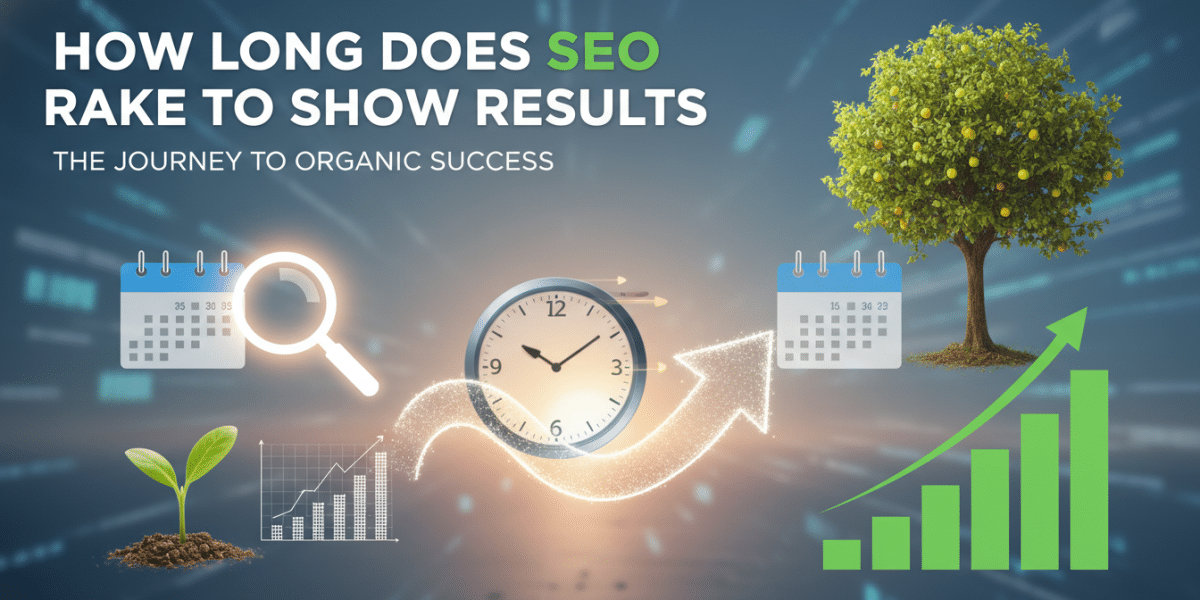
It’s the million-dollar question every business owner, marketer, and aspiring entrepreneur asks: How long does SEO really take to show results? In a world of instant gratification, the idea of investing time and money into something that doesn’t deliver immediate, tangible returns can be daunting. You’ve heard the promises, you know the potential, but the waiting game can feel like an eternity.
Let’s be honest, there’s no magic button or a universally applicable, one-size-fits-all answer. If anyone tells you they can guarantee top rankings and massive traffic in a month, they’re likely selling snake oil. The truth is, SEO is a marathon, not a sprint. It’s a complex, ever-evolving discipline, and its timeline is influenced by a myriad of factors. But while patience is undoubtedly a virtue in SEO, understanding these factors can help you set realistic expectations and optimise your strategy for the fastest sustainable growth.
This article aims to demystify the SEO timeline, providing clarity on what influences it, what to expect at different stages, and how you can foster an environment for quicker, more robust results.
The Big “It Depends”: Why There’s No Simple Answer
Before diving into timelines, it’s crucial to understand why the answer to “How long does SEO really take to show results?” is always, “Well, it depends.” Search engine optimisation is about convincing sophisticated algorithms (like Google’s) that your website is the most relevant, authoritative, and trustworthy source of information for a user’s query. This doesn’t happen overnight.
Here are the primary factors that dictate the pace of your SEO journey:
1. Your Website’s Age and Authority
Think of your website like a person. A brand new website is like a newborn baby – it has no reputation, no history, and no established trust. An older website, especially one that has been consistently producing quality content and earning backlinks, is like a seasoned expert in its field.
- New Websites (under 6-12 months): Google has a “sandbox” period for new sites. It takes time for search engines to crawl, index, and understand your content, let alone trust you enough to rank you highly. You’re starting from zero authority. Expect initial results to be slower.
- Established Websites: If your site has been around for years, has a clean history, and already ranks for some keywords, you have a head start. Google generally trusts established domains more, which can accelerate the impact of new SEO efforts.
2. Industry Competitiveness
Some industries are simply more crowded and competitive than others. Trying to rank for “insurance” or “credit cards” is an entirely different beast than trying to rank for a niche query like “artisanal organic mushroom jerky.”
- High Competition: If you’re in a competitive niche with many established players who have strong SEO strategies, it will take longer and require significantly more effort (and often budget) to break through. You’ll need to out-optimise and out-content them.
- Low Competition/Niche Markets: In less competitive sectors, you might see results much faster. There’s less noise to cut through, and quality content can quickly stand out.
3. Current SEO Status and Technical Health
Before you even start, what does your website look like under the hood?
- Existing Issues: If your site has significant technical SEO problems (slow loading speed, broken links, duplicate content, mobile unfriendliness, manual penalties), the initial phase will be dedicated to fixing these foundational issues. You won’t see ranking improvements until these are resolved.
- Clean Slate: A technically sound website with a good user experience (UX) provides a stable foundation, allowing new SEO efforts to yield results more quickly.
4. Content Quality and Strategy
Content is the fuel for your SEO engine. The type, quality, and consistency of your content production directly impact your timeline.
- High-Quality, User-Centric Content: Content that genuinely helps, informs, or entertains users, is well-researched, and targets specific keywords will be rewarded by search engines. This is the cornerstone of long-term SEO success.
- Thin, Duplicative, or Poorly Written Content: This won’t move the needle and can even hurt your rankings, effectively prolonging the time it takes to see results.
- Content Volume and Consistency: Regularly publishing fresh, relevant content signals to search engines that your site is active and a valuable resource.
5. Backlink Profile
Backlinks (links from other reputable websites to yours) are like votes of confidence. The quantity and quality of these votes significantly impact your authority and, consequently, your ranking ability.
- Strong, Natural Backlink Profile: If your site naturally earns high-quality links from authoritative sites, your SEO efforts will be amplified.
- Weak or Toxic Backlinks: A poor backlink profile (few links, or many from spammy sites) will necessitate a link-building or link-disavowal strategy, adding time to your SEO timeline. Earning good links takes time and consistent outreach or truly exceptional content.
6. Budget and Resources
Let’s not shy away from this: SEO requires an investment.
- Dedicated Resources: A larger budget allows for more comprehensive content creation, advanced technical audits, skilled SEO specialists, and more robust link-building campaigns. This can accelerate results.
- Limited Resources: If you’re a small business doing DIY SEO on a shoestring budget, expect things to move more slowly. You’ll likely be prioritizing efforts, which means some opportunities might take longer to address.
7. SEO Strategy and Execution
Not all SEO is created equal.
- White Hat (Ethical) SEO: This involves creating value for users, building authority naturally, and adhering to search engine guidelines. While slower initially, it leads to sustainable, long-term results that are resilient to algorithm updates.
- Black Hat (Unethical) SEO: This involves manipulative tactics designed to trick search engines. While it might yield quick, temporary results, it carries a high risk of penalties, which can devastate your rankings and extend your recovery time indefinitely.
8. Algorithm Updates
Google and other search engines are constantly updating their algorithms. Sometimes these updates are minor, other times they’re significant and can impact rankings across the board. An update could theoretically accelerate or delay your progress, regardless of your efforts. Staying adaptable is key.
What to Expect: A Realistic Timeline Breakdown
Given the factors above, here’s a general, realistic breakdown of what you might expect regarding how long does SEO really take to show results at different stages. Remember, these are averages, and your experience may vary.
Months 1-3: Foundation Building and Initial Setup
This phase is all about laying the groundwork. Don’t expect dramatic ranking shifts or massive traffic spikes here.
- Activities:
- Comprehensive Audit: Technical SEO audit (site speed, mobile-friendliness, crawlability, indexability), keyword research, competitor analysis, content gap analysis.
- Technical Fixes: Addressing critical errors identified in the audit.
- On-Page Optimization: Optimizing existing key pages (titles, meta descriptions, headings, content quality).
- Content Planning: Developing a robust content strategy and starting initial content creation.
- Local SEO Setup (if applicable): Optimizing Google My Business, local citations.
- Results You Might See:
- Improved website health metrics.
- Initial indexing of new content.
- Perhaps very minor traffic increases or ranking for highly niche, low-competition keywords.
- Improved user experience (UX) on your site.
Months 4-6: Gaining Traction and Early Signals
This is when you might start seeing the first tangible signs that your SEO efforts are bearing fruit.
- Activities:
- Consistent Content Publishing: Regular posting of high-quality, targeted content.
- Continued On-Page Optimization: Expanding to more pages, refining existing ones.
- Initial Link Building: Outreach for quality backlinks, earning links through valuable content.
- Monitoring & Adjusting: Analyzing initial data, identifying what’s working and what isn’t.
- Results You Might See:
- Improved rankings for a broader set of keywords, particularly long-tail ones.
- Modest but noticeable increases in organic traffic.
- Better engagement metrics (lower bounce rate, longer time on page).
- Some early leads or conversions (if your sales funnel is optimised).
Months 7-12: Significant Growth and Authority Building
This is often the period where well-executed SEO strategies start to deliver more substantial and meaningful results.
- Activities:
- Aggressive Content Strategy: Expanding content clusters, deeper dives into topics, diversifying content types.
- Proactive Link Building: Strategic outreach, guest posting, broken link building, digital PR.
- User Experience (UX) Refinement: Continual improvements based on user behavior data.
- Conversion Rate Optimization (CRO): Ensuring increased traffic translates into business goals.
- Local SEO Expansion: More aggressive local citation building, review management.
- Results You Might See:
- Stronger rankings for more competitive keywords.
- Significant growth in organic traffic.
- Increased leads, sales, or other key conversions.
- Improved brand visibility and authority within your niche.
- Positive ROI from your SEO investment becoming more apparent.
Beyond 12 Months: Sustained Success and Expansion
SEO is not a one-and-done project. After the first year, it becomes an ongoing process of maintenance, adaptation, and growth.
- Activities:
- Content Refreshing: Updating old content to keep it fresh and relevant.
- Exploring New Keyword Opportunities: Expanding into related niches or new product lines.
- Staying Ahead of Algorithm Changes: Adapting strategies based on Google’s updates.
- International SEO (if applicable): Expanding your reach to global markets.
- Continual Link Earning & Reputation Management.
- Results You Might See:
- Dominant rankings for core keywords.
- Consistent, high-volume organic traffic.
- Strong brand authority and recognition.
- Sustainable competitive advantage.
How to Optimize Your SEO Timeline for Quicker, Stronger Results
While you can’t force search engines to rank you instantly, you can implement strategies that accelerate your progress and make the most of your investment.
1. Prioritize Technical SEO from Day One
A healthy website foundation is non-negotiable. Ensure your site is fast, mobile-friendly, secure (HTTPS), and easily crawlable by search engines. Fix any broken links or indexing issues promptly. This ensures Google can find and understand your valuable content.
2. Focus on High-Quality, User-Centric Content
Don’t just write for keywords; write for your audience. Create comprehensive, engaging, and genuinely helpful content that answers user questions, solves their problems, or entertains them. Google prioritizes content that provides real value.
3. Target Long-Tail Keywords Initially
While you eventually want to rank for high-volume, competitive keywords, start by targeting longer, more specific keyword phrases. These often have lower competition and higher conversion rates, allowing you to gain early traction and build authority.
4. Build High-Quality Backlinks Strategically
Focus on earning links from authoritative, relevant websites in your industry. This could involve creating shareable content, guest blogging, or reaching out to sites for collaboration. Quality trumps quantity here.
5. Monitor Your Performance and Adapt
Use tools like Google Analytics and Google Search Console to track your rankings, traffic, and user behavior. Understand what’s working and what isn’t, and be prepared to adjust your strategy based on data. SEO is an iterative process.
6. Embrace Local SEO (If Applicable)
For businesses with a physical location or serving a specific geographic area, optimising your Google My Business profile and building local citations can deliver relatively quicker and highly relevant results.
7. Be Patient and Consistent
This is perhaps the hardest but most crucial tip. SEO requires persistent effort over time. Don’t get discouraged if you don’t see massive results in the first few months. Stick to your strategy, keep refining, and the rewards will come.
Setting Realistic Expectations
The question “How long does SEO really take to show results?” is often asked with a hope for a magic number. The reality is more nuanced, but that nuance is what empowers you to strategize effectively.
SEO is not a sprint; it’s a strategic long-term investment in your business’s future. It builds an organic pipeline of potential customers who are actively searching for what you offer. Unlike paid advertising, which stops delivering results the moment your budget runs out, the benefits of SEO accrue over time, providing compounding returns and lasting brand visibility.
Conclusion
Understanding how long does SEO really take to show results means embracing patience, persistence, and a strategic approach. While initial technical fixes and foundational work might show minor improvements within a few months, significant, transformative growth in rankings, traffic, and conversions typically takes 6-12 months, and often longer for highly competitive niches.
View SEO not as an expense, but as a crucial long-term asset. By focusing on building a technically sound website, creating exceptional content, earning authoritative backlinks, and continually optimising your strategy, you’re not just waiting for results – you’re actively building a powerful, sustainable engine for your online success. The wait is worth it, delivering not just fleeting visitors, but a steady stream of genuinely interested customers.
Related Posts
 SEO Questions Answered — Costs, Timelines & Results | Globe Boss
 Redditʼs Role in Googleʼs Irish Forum Results
 The Truth About Ad Spend and What Gets Results in Dublin
 How to Optimise Your Website for AI Search Results in 2026
 The secret to staying on top of the Irish search results
 How Long to See ROI from SEO for a New Website
 Results Driven SEO for the Competitive Dublin Market
 Proven SEO Results for Dublin Small Firms