Understanding the Dublin Market
Dublin, as the capital city of Ireland, presents a unique landscape for marketers. With a population of approximately 1.4 million and a rich cultural heritage, combined with a dynamic economic environment, the city provides ample opportunities for businesses to connect with their audiences. Localized content marketing is essential for brands aiming to resonate with Dublin audiences, as it takes into account the distinct cultural, social, and economic characteristics of this vibrant city.
The Importance of Localization
Localization goes beyond mere translation; it involves adapting content to meet the cultural, linguistic, and behavioral nuances of a specific audience. In Dublin, this means recognizing and reflecting the local dialects, traditions, and values that permeate everyday life. For instance, the use of local slang, references to well-known landmarks, and themes relevant to Dublin’s rich literary heritage can significantly enhance a brand’s connection with its audience.
Factors Influencing Dublin’s Consumer Behavior
Dublin’s demographics play a crucial role in shaping consumer behavior. The city is home to a diverse population, characterized by a mix of Irish locals and expatriates drawn by the tech boom and a vibrant arts scene. Factors such as age, education level, income distribution, and lifestyle preferences all contribute to how content should be tailored.
-
- Age and Demographics: Dublin has a youthful population, with a significant percentage under the age of 30. This demographic is not only tech-savvy but also heavily influenced by social media. Content aimed at this age group often emphasizes relevance, humor, and shareability.
- Age and Demographics: Dublin has a youthful population, with a significant percentage under the age of 30. This demographic is not only tech-savvy but also heavily influenced by social media. Content aimed at this age group often emphasizes relevance, humor, and shareability.
-
- Cultural Influences: The Irish have a deep-rooted appreciation for storytelling and wit. Content that is engaging, funny, or emotionally resonant tends to perform better. Additionally, Dublin’s literary heritage can be leveraged to craft tales that resonate with local pride.
- Cultural Influences: The Irish have a deep-rooted appreciation for storytelling and wit. Content that is engaging, funny, or emotionally resonant tends to perform better. Additionally, Dublin’s literary heritage can be leveraged to craft tales that resonate with local pride.
-
- Economic Factors: The economic landscape in Dublin is dynamic, with a growing number of international technology firms establishing headquarters or regional offices in the city. This has led to an influx of foreign workers, creating a blend of lifestyles and expectations. Brands need to navigate this landscape by addressing both local and international sentiments, ensuring inclusivity in their messaging.
Crafting Localized Content
Creating localized content involves a combination of strategic planning, research, and creativity. Here’s a strategy for developing content that resonates with Dublin audiences:
1. Research Local Trends and Topics
Understanding what’s trending in Dublin is essential. Engaging with local social media pages, attending community events, and monitoring online forums can yield insights into current interests and concerns. For instance, discussions surrounding sustainability and local businesses have gained traction due to increasing eco-consciousness.
2. Incorporate Local Slang and Idioms
Language plays a pivotal role in content localisation. Using colloquial language or local idioms can help brands sound more relatable. For example, instead of saying “friendly,” a brand might use “grand,” a term commonly used in Dublin. However, brands must ensure that these terms are used appropriately and won’t alienate segments of the audience.
3. Leverage Local Influencers
Incorporating local influencers can amplify a brand’s reach. Dublin boasts a plethora of influencers who resonate with different segments of the market. Collaborating with these individuals for content creation or promotion can provide authenticity and local relevance. It’s vital to choose influencers whose values align with the brand to maintain a genuine connection.
4. Create Community-Focused Content
Content that reflects community values and interests can foster stronger relationships with local audiences. This can include highlighting local events, supporting community initiatives, or featuring local businesses. For example, a restaurant chain might create content around a local food festival, showcasing their participation and the significance of local produce.
5. Use Visual Elements that Resonate Locally
Visual content should reflect the local culture and landmarks. Utilizing images of Dublin’s iconic spots—like the Ha’penny Bridge or Dublin Castle—can evoke a sense of pride among residents. Additionally, showcasing local faces in visuals can create a familiarity that enhances content relatability.
Channels for Localized Content Distribution
To maximize the impact of localized content, selecting the right channels for distribution is crucial. Different demographics may favor different platforms.
1. Social Media Platforms
Dubliners are active on platforms such as Instagram, Twitter, and Facebook. Brands should tailor their strategy for each platform, using Instagram for visually appealing content, Twitter for real-time updates and engagement, and Facebook for community-driven conversations.
2. Local Blogs and Publications
Partnering with local blogs or publications can enhance reach. Many Dublin-based blogs cover topics ranging from food and nightlife to lifestyle and fashion. Guest blogging or collaborating on features can provide exposure to engaged audiences seeking local content.
3. Community Events and Sponsorships
Participating in or sponsoring local events, such as street festivals or cultural celebrations, allows brands to engage with attendees directly. Creating event-specific content, like live updates or post-event recaps, can further connect a brand with the community.
Analyzing and Adjusting Content Strategies
To ensure that localized content marketing efforts are effective, it’s essential to analyse performance metrics and consumer feedback. Tools like Google Analytics and social media insights can provide a wealth of information regarding audience engagement and preferences. Brands should regularly revisit and adjust their content strategies based on these insights to remain relevant and effective.
1. Monitor Engagement Metrics
Tracking key performance indicators (KPIs) such as likes, shares, comments, and conversion rates can help brands gauge the effectiveness of their content. High engagement rates with specific posts can indicate resonant content that can be replicated or expanded upon.
2. Solicit Feedback
Engaging with the audience through polls or surveys can yield qualitative insights. Understanding what resonates with the audience or areas where they feel the content could improve can guide future content creation.
3. Stay Agile
The Dublin market is ever-evolving. Staying agile allows brands to quickly respond to shifts in consumer behavior or emerging trends. Whether it’s through adapting content according to seasonality or responding to current affairs, an agile approach is key to maintaining relevance.
Examples of Successful Localized Content Marketing in Dublin
There are various examples of brands successfully implementing localized content marketing in Dublin. These examples illustrate the effectiveness of understanding local culture and delivering content that resonates deeply with the community.
-
- Diageo’s Guinness Storehouse: The Guinness Storehouse is a quintessential Dublin destination. Their marketing exploits local pride, showcasing the beer’s connection to Dublin’s heritage. Seasonal content, local events, and collaborations with Dublin artists create a connection with both locals and tourists.
- Diageo’s Guinness Storehouse: The Guinness Storehouse is a quintessential Dublin destination. Their marketing exploits local pride, showcasing the beer’s connection to Dublin’s heritage. Seasonal content, local events, and collaborations with Dublin artists create a connection with both locals and tourists.
-
- Dublin City Council’s “Imagine Dublin” Campaign: This initiative reflects a commitment to pushing for sustainability and community engagement. By soliciting ideas and input from residents, Dublin City Council creates content that directly addresses the audience’s concerns and aspirations.
- Dublin City Council’s “Imagine Dublin” Campaign: This initiative reflects a commitment to pushing for sustainability and community engagement. By soliciting ideas and input from residents, Dublin City Council creates content that directly addresses the audience’s concerns and aspirations.
-
- SuperValu’s “Real Food, Real People” Campaign: SuperValu focuses on local food sourcing and engages with Dublin’s community through storytelling. Their videos often feature local suppliers, fostering a sense of connection and trust among consumers.
Challenges of Localized Content Marketing
While localized content marketing provides substantial benefits, it presents unique challenges:
-
- Stereotyping: Brands must ensure they do not rely on stereotypes or clichéd representations that may offend or alienate audiences. Truly understanding the local culture is vital to avoid these pitfalls.
- Stereotyping: Brands must ensure they do not rely on stereotypes or clichéd representations that may offend or alienate audiences. Truly understanding the local culture is vital to avoid these pitfalls.
-
- Balancing Act: Striking the right balance between local relevance and brand messaging can be challenging. Brands must navigate their identity while being receptive to local values, avoiding the pitfalls of appearing insincere or opportunistic.
- Balancing Act: Striking the right balance between local relevance and brand messaging can be challenging. Brands must navigate their identity while being receptive to local values, avoiding the pitfalls of appearing insincere or opportunistic.
-
- Resource Allocation: Localized content marketing can require significant resources, from conducting research to content creation. Brands must ensure they have the necessary budget and personnel to support these initiatives.
Successful Execution Takes Time and Effort
Localized content marketing is an ongoing journey, not a one-time campaign. A nuanced understanding of Dublin’s culture, consumer preferences, and the dynamics of the local market is necessary for sustained engagement. Through continuous learning, community involvement, and adaptability, brands can cultivate lasting relationships with their Dublin audiences that not only drive sales but also foster loyalty and advocacy.
Related Posts
 Dublinʼs On-Page SEO Services: Content & Technical SEO
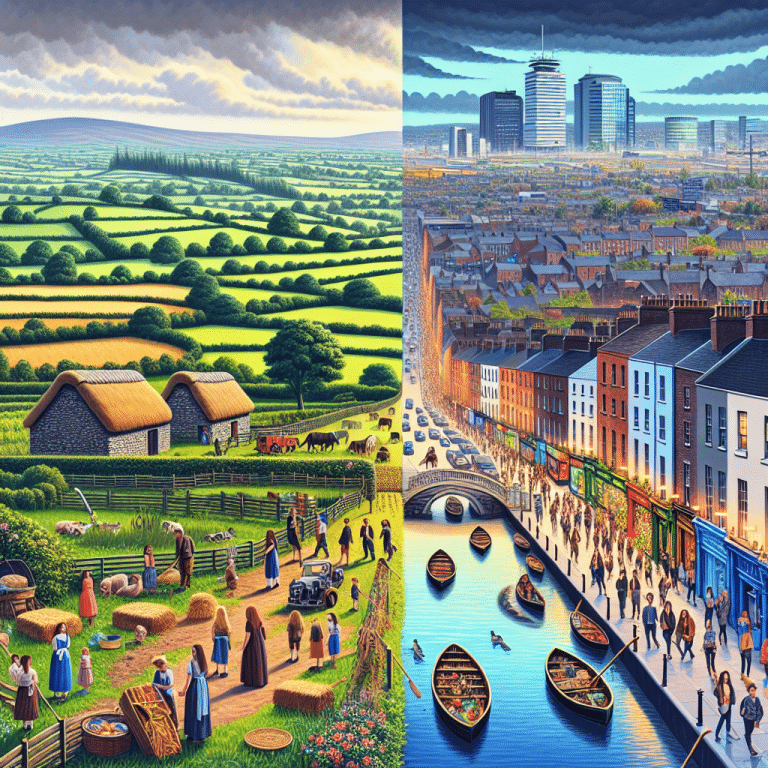 What is the best way to target rural Irish audiences vs. Dublin city audiences?
 Interactive Content 4 Formats That Boost Dublin Engagement
 How are Dublin agencies using Generative AI for content creation?
 Dublin Content Strategy: Create, Optimize, and Rank
 Content Marketing & SEO Services for Dublin | Globe Boss
 Content that Ranks: Professional SEO Blogs in Dublin
 SEO-Friendly FAQ Page Creation | Dublin Content Strategy