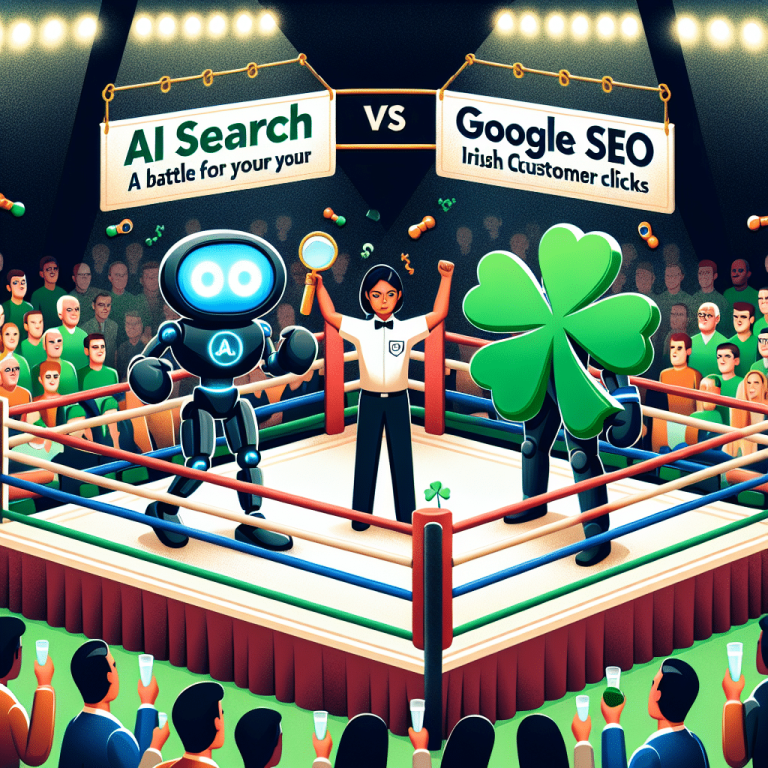
In an era defined by rapid technological advancements, the way we interact with the world is evolving. With the rise of artificial intelligence, machine learning, and neural networks, the concept of searching for information is undergoing a monumental shift. Welcome to the realm of Brain Engine Optimisation (BEO), a new frontier that goes beyond the traditional practices of Search Engine Optimisation (SEO).
Understanding the Shift
Traditional SEO focuses primarily on optimizing content to rank high on search engines like Google. This involves keyword research, on-page SEO, backlinks, and various other strategies aimed at making content more discoverable. However, the landscape is changing. As technology advances, consumers are increasingly relying on AI and machine-learning models to find information, products, and services tailored to their specific needs.
Brain Engine Optimisation revolves around creating content and experiences that resonate with these intelligent systems. Rather than simply targeting algorithms for better rankings, BEO emphasizes understanding the cognitive processes behind how users make decisions and how AI systems interpret that information.
The Role of AI in User Interaction
AI technologies like chatbots, recommendation systems, and voice assistants are becoming integral to our daily lives. These “brain engines” are not just tools for search; they serve as personalized companions that understand user intent and preferences. BEO takes this into account, focusing on:
-
Personalisation: Providing users with tailored experiences based on their behavior, preferences, and needs, making content more relevant.
-
Contextual Understanding: AI can grasp nuances and contextual details better than traditional search algorithms. This means that BEO involves creating content that resonates on an emotional and cognitive level.
-
Dynamic Content Engagement: BEO demands an adaptive approach. The content must be dynamic and capable of evolving with user inputs and AI learning processes, fostering a more interactive experience.
Key Strategies in Brain Engine Optimisation
1. Focus on Natural Language
With the introduction of natural language processing (NLP) technologies, users are increasingly interacting with AI systems through conversational language. BEO requires businesses to focus on optimizing content for how people actually speak, rather than relying solely on keyword-heavy structures. This means crafting content that feels more human and engaging.
2. Leverage Behavioral Data
Understanding how users interact with your content is crucial. Analytics tools, AI insights, and user feedback can provide valuable data that guide content creation and design. By analyzing this data, companies can optimize their offerings to better meet user needs and interests, thereby enhancing engagement.
3. Understand User Intent
Rather than just focusing on what users are searching for, BEO emphasizes understanding why they are searching. This involves deep dives into user psychology, motivation, and behavior patterns. Content that aligns with user intent is more likely to be favored by AI-driven systems.
4. Foster Community Engagement
Building community around your brand can significantly increase the likelihood of content being shared and interacted with. Engaging users not just through your content but also through activities, forums, and social platforms creates more opportunities for organic reach and enhances your credibility in the eyes of these brain engines.
5. Adapt to New Technologies
As technology evolves, so too should content strategies. Whether it’s integrating with new platforms, utilizing virtual reality, or exploring other emerging technologies, being at the forefront of these shifts can give brands an edge. BEO necessitates staying informed and agile.
Ethical Considerations in BEO
As businesses lean into Brain Engine Optimisation, ethical considerations must also come to the forefront. Issues such as data privacy, biased algorithms, and the potential for exploitation of user behavior must be addressed. Companies need to prioritize transparency and ethics in their BEO strategies, ensuring that they value user trust as much as algorithmic compliance.
The Future of Digital Interactions
As we advance, the convergence of neuroscience, psychology, and technology will pave the way for even more sophisticated user interactions. Brain Engine Optimisation isn’t just a trend; it represents a fundamental shift in how we think about and approach digital marketing, content creation, and user experience.
By embracing BEO, businesses can position themselves as pioneers in a landscape increasingly dominated by intelligent systems, creating deeper, more meaningful connections with their audience.