How Analytics Can Optimize Your Digital Marketing
In today’s fast-paced digital landscape, the importance of analytics in shaping effective marketing strategies cannot be overstated. As consumers become more discerning and data-driven, brands must use analytics to understand their audience, refine their approach, and drive better results.
Understanding Consumer Behavior
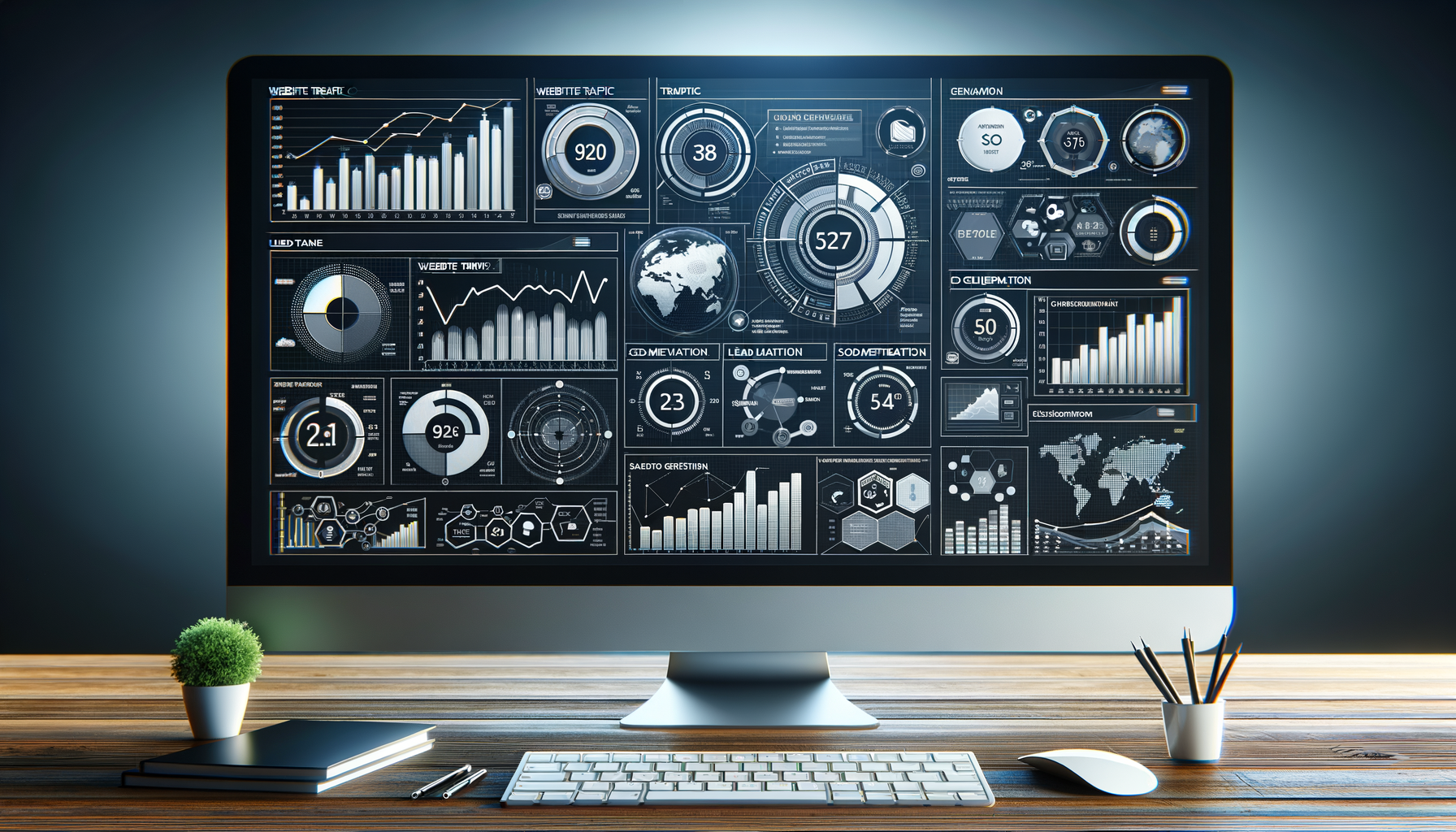
One of the primary benefits of analytics in digital marketing is its ability to provide insights into consumer behavior. By analyzing data collected from various channels—such as websites, social media, and email campaigns—marketers can identify trends and patterns that reveal what resonates with their target audience. Tools like Google Analytics enable businesses to track page views, user flows, and bounce rates, offering a clear picture of how consumers interact with content.
Segmenting Your Audience
Effective marketing strategies hinge on understanding your audience. Analytics allow marketers to segment their audience based on various criteria such as demographics, geographic location, and purchase behavior. By segmenting audiences, businesses can tailor their messaging to address the specific needs and preferences of each group. This personalized approach often results in higher engagement rates and improved conversion metrics.
Measuring Campaign Performance
Analytics provides marketers with the tools needed to measure the effectiveness of their campaigns in real time. Key performance indicators (KPIs) such as click-through rates, conversion rates, and return on investment (ROI) can be tracked through robust analytics platforms. Understanding which campaigns yield the best results enables marketers to allocate resources more effectively, optimizing their budgets for maximum impact.
A/B Testing for Continuous Improvement
A/B testing, or split testing, is another area where analytics can play a significant role in optimizing digital marketing efforts. By comparing two variations of a webpage, email, or ad, marketers can determine which one performs better based on real user data. The insights gained from A/B testing help teams refine their content, creative assets, and messaging. Continuous improvement becomes a systematic process, driven by data rather than guesswork.
Enhancing Content Strategy
Content marketing is integral to digital marketing strategies, and analytics can greatly enhance its effectiveness. Marketers can analyze which types of content—be it blog posts, videos, or infographics—generate the most engagement and track user interactions over time. Tools like heat maps can show where users spend the most time on a page, guiding content creators in crafting more engaging, relevant content.
Social Media Insights
Social media platforms come packed with their own analytics tools, allowing brands to understand what content resonates with their followers. By analyzing engagement metrics such as likes, shares, and comments, marketers can identify which posts generate the most interest. This information is crucial for informing future social media strategies and ensures that the content shared aligns closely with audience preferences.
Predictive Analytics
The advent of artificial intelligence and machine learning has given rise to predictive analytics, a game-changer in digital marketing. Predictive models analyze historical data to forecast future trends and consumer behaviors. Marketers can use this information to anticipate customer needs, optimize their campaigns, and even tailor products to meet emerging demands.
Improving Conversion Funnels
Analytics helps marketers visualize and optimize the conversion funnel, identifying points of drop-off that can hinder consumer journeys. By understanding where users abandon their purchases or disengage, marketers can implement targeted strategies to address these issues. For example, if data shows a high bounce rate on a checkout page, it might be necessary to streamline the process or offer reassurance through testimonials and secure payment badges.
Data-Driven SEO Strategies
Search engine optimization (SEO) is essential for driving organic traffic to websites, and analytics plays a vital role in this arena as well. By examining organic search traffic, keyword performance, and user behavior on-site, marketers can gain insights into what influences search rankings. Adjusting content accordingly—whether by updating outdated information or optimizing for new keywords—can improve visibility and drive more qualified traffic.
Integrated Marketing Efforts
Finally, a comprehensive digital marketing strategy benefits from an integrated approach, where data from varied channels informs a unified strategy. Analytics allows for a holistic view of various marketing efforts, enabling marketers to see how email campaigns, social media interactions, and website engagement contribute to overall performance. This integrated insight helps refine strategies for greater consistency and effectiveness across all touchpoints.
In this data-driven age, leveraging analytics is no longer optional—it’s a fundamental part of any successful digital marketing strategy. By embracing the power of analytics, marketers can optimize their efforts, connect more deeply with their audiences, and ultimately drive better business outcomes.