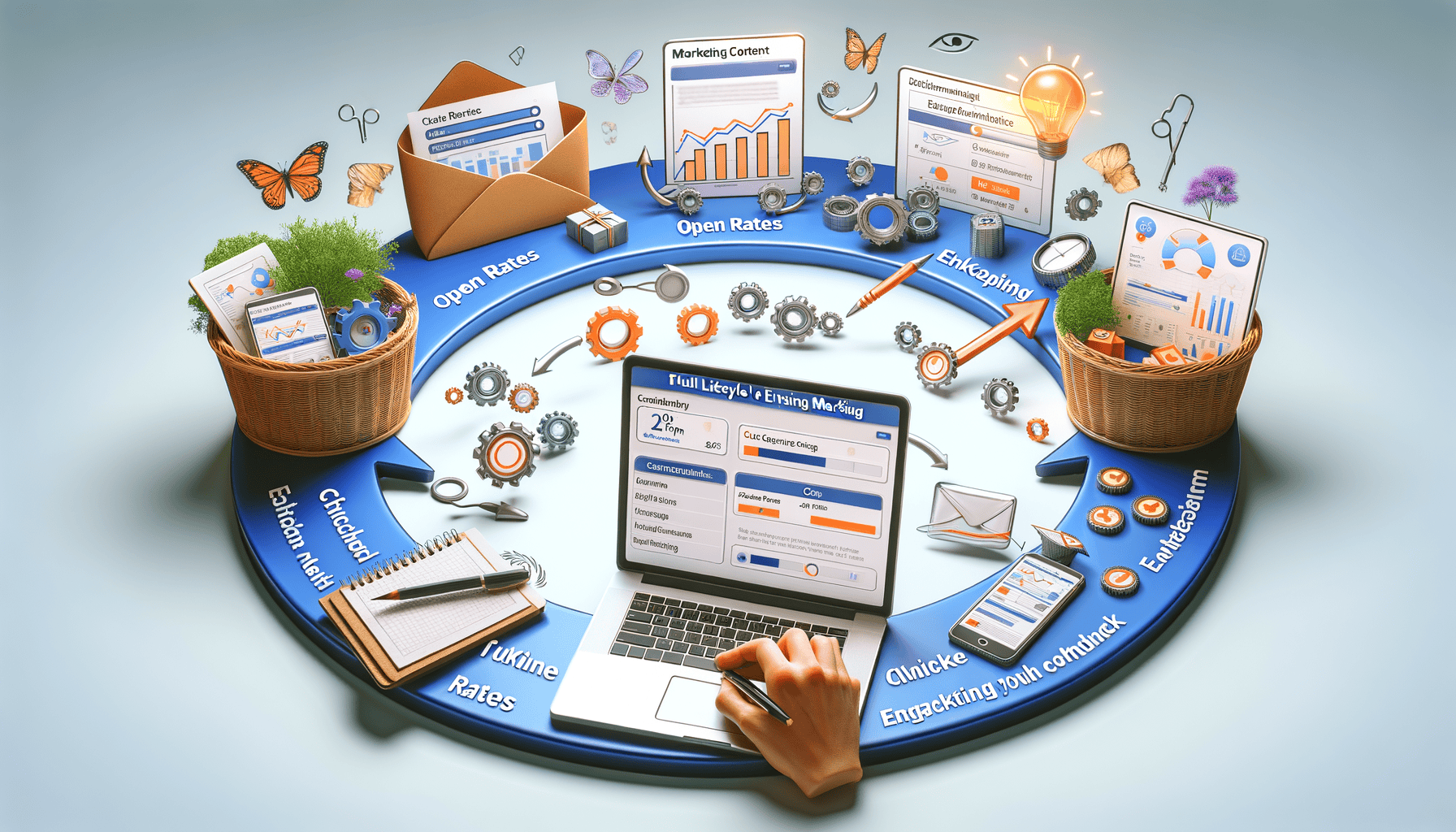
Lifecycle advertising is a strategic approach that tailors marketing efforts to the various stages of the consumer journey. By understanding the lifecycle of a customer—from awareness to retention—brands can optimize their messaging and engage users more effectively. This guide will explore the key elements of lifecycle advertising, its benefits, and practical steps for implementation.
Understanding Customer Lifecycles
A customer lifecycle typically consists of several stages:
-
Awareness: Potential customers first hear about your brand. This stage is about generating interest.
-
Consideration: Consumers evaluate their options. This is where they weigh the pros and cons of various products.
-
Purchase: The consumer decides to buy your product or service. This stage is crucial for conversion.
-
Retention: After the purchase, brands focus on keeping the customer engaged and satisfied.
-
Advocacy: A satisfied customer can become a brand advocate, promoting the product to others.
By aligning your advertising strategy with these lifecycle stages, you can create a more personalized and relevant experience for consumers.
Key Elements of Lifecycle Advertising
1. Audience Segmentation
Understanding the demographics, preferences, and behaviors of your audience is essential. Use data analytics tools to segment your audience based on lifecycle stages. This allows you to tailor your messaging and offers effectively.
2. Targeted Messaging
Craft specific messages for each stage in the lifecycle. For example:
-
Awareness: Use educational content, social media posts, and influencer partnerships to attract potential customers.
-
Consideration: Offer comparison guides, testimonials, and reviews that highlight the benefits of your product.
-
Purchase: Create limited-time offers, discounts, or free trials to encourage quick decision-making.
-
Retention: Implement email marketing campaigns featuring personalized recommendations, loyalty programs, and customer success stories.
-
Advocacy: Encourage satisfied customers to leave reviews, participate in referral programs, or share their experiences on social media.
3. Multi-Channel Approach
Utilizing multiple channels enhances your reach and engages consumers in familiar spaces.
-
Social Media: A platform for brand awareness and community engagement.
-
Email Marketing: Perfect for retention and nurturing relationships.
-
Content Marketing: Blogs and informational videos support consideration and establish authority in your industry.
4. Data-Driven Strategies
Leverage analytics tools to monitor customer behavior and campaign performance. Track metrics like click-through rates, conversion rates, and customer lifetime value to refine your strategy continually.
5. Automation
Implement marketing automation tools to streamline your lifecycle campaigns. Automated email sequences can nurture leads while saving time and resources. For instance, send welcome emails upon sign-up, product recommendations based on past purchases, or re-engagement emails to dormant customers.
6. Personalization
Craft personalized experiences for customers based on their lifecycle stage. Customization can enhance user satisfaction and loyalty. Use data from previous interactions to deliver tailored content, product recommendations, and offers.
Benefits of Lifecycle Advertising
-
Improved Customer Experiences: Tailoring your messages and offers enhances the overall customer experience, leading to higher satisfaction.
-
Higher Conversion Rates: Targeted advertising increases the likelihood of conversions at each stage of the customer journey.
-
Increased Customer Retention: Focused strategies on the retention phase can reduce churn and enhance lifetime value.
-
Efficient Resource Allocation: Aligning your ads with the lifecycle stages allows for smarter budget allocation, ensuring marketing dollars are spent effectively.
-
Brand Advocacy: Satisfied customers are more likely to become advocates for your brand, driving organic growth and referrals.
Practical Steps to Implement Lifecycle Advertising
-
Map the Customer Journey: Visualize the typical path your customers take from awareness to advocacy. Identify touchpoints and areas for improvement.
-
Set Goals: Define measurable objectives for each stage of the lifecycle. This could include increasing awareness by a specific percentage or improving retention rates.
-
Create Targeted Campaigns: Develop content and offers specific to each stage. Consider seasonal promotions or events that could tie into your campaign.
-
Monitor and Adjust: Continually analyze the performance of your campaigns, making adjustments as necessary. A/B testing different messages or offers can provide insights into what resonates most with your audience.
-
Build Relationships: Focus on building trust and relationships with your customers. Encourage feedback and actively engage on social media and other platforms.
By understanding and implementing lifecycle advertising, brands can create more effective marketing strategies that foster deeper relationships with consumers throughout their journey.