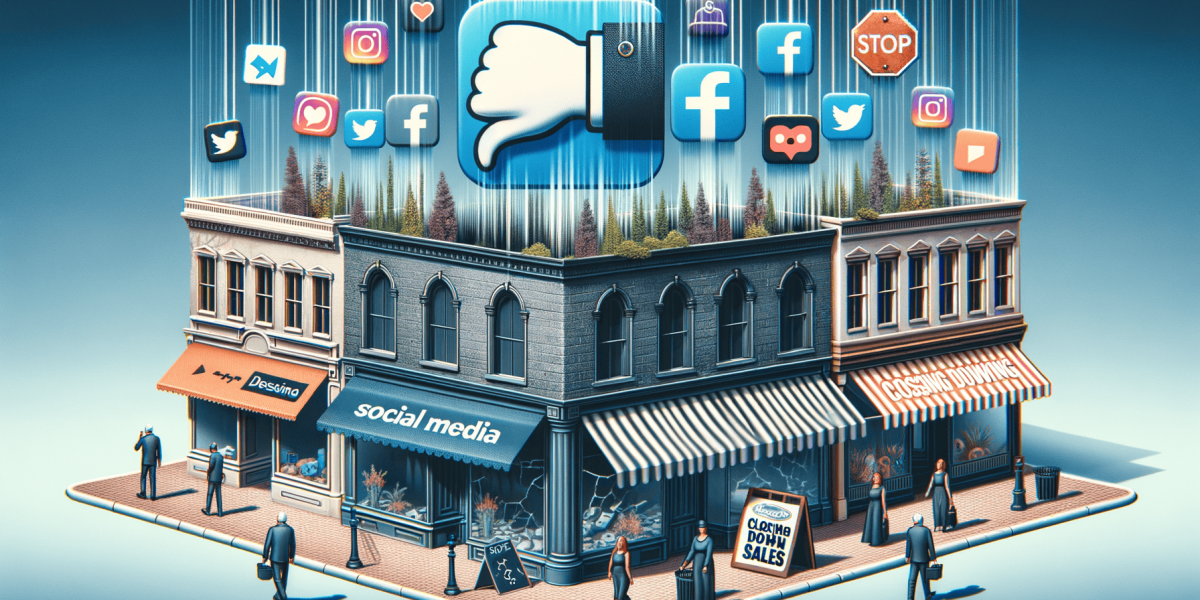
The Ongoing Downfall of Social Media and Its Implications for Retail Brands
In recent years, the landscape of social media has been shifting dramatically. Once hailed as the ultimate marketplace where brands could engage directly with consumers, social media platforms are facing a series of challenges that threaten their effectiveness as marketing tools. This ongoing downfall could hold significant ramifications for retail brands, pushing them to reassess their digital marketing strategies and explore new avenues for consumer engagement.
Declining Organic Reach
One of the most immediate challenges for retail brands is the decline in organic reach on social media platforms. Algorithms have increasingly prioritized paid content over organic posts, making it more difficult for brands to reach their audiences without investing heavily in paid advertising. As a result, many retailers are left grappling with diminished visibility, making it essential for them to allocate larger portions of their budgets to ensure their messages are seen. This shift can strain smaller brands that may not have the resources to compete in a pay-to-play environment.
Emerging Competition
The rise of alternative platforms, such as TikTok and newer, niche apps, is another factor contributing to the downfall of established social media giants. These platforms often attract younger audiences who may not engage with traditional platforms like Facebook or Instagram as much. Retail brands must now navigate a fragmented landscape where consumer attention is divided across multiple platforms. This necessitates a more agile approach, requiring brands to stay updated on emerging trends and preferences relevant to their target demographics.
Consumer Distrust and Privacy Concerns
Increasing awareness of data privacy issues is also eroding consumer trust in social media. With rising concerns about how personal data is used, many consumers are becoming more selective about the platforms they use and the information they share. Retail brands must factor this distrust into their social media strategies, emphasizing transparency and ethical practices. Failing to do so risks alienating potential customers who are wary of brands that do not prioritize privacy and data protection.
Shifting Consumer Behaviour
As social media evolves, so does consumer behavior. Shoppers are more inclined to seek seamless, direct shopping experiences on platforms that prioritize functionality over just social interaction. Retail brands need to adapt their strategies to meet the changing expectations of tech-savvy consumers who demand simplicity and efficiency in their shopping experience. The integration of shopping features remains crucial; however, brands must ensure these tools genuinely enhance customer interactions, rather than complicating them further.
Focus on Authenticity
In an era where consumers crave authenticity, brands must move away from overly curated content in favor of genuine interactions. As consumers become increasingly adept at identifying disingenuous marketing tactics, retail brands are compelled to strike a balance between promotion and authenticity. This could involve leveraging user-generated content, partnering with authentic influencers, or directly engaging with customers through live events and Q&A sessions. Emphasizing real stories and genuine engagement can help retailers stand out in a crowded space.
Evolution of Brand Loyalty
With the decline of social media’s effectiveness, retailers must reconsider how they cultivate brand loyalty. As consumers turn to various sources for product information—including reviews, peer recommendations, and even social media comments—brands need to foster a multi-channel approach that emphasizes cohesive messaging across all platforms. Retailers may also consider implementing loyalty programs that extend beyond social media, incorporating email marketing, mobile apps, and offline experiences to reinforce brand connection.
Reassessing Marketing Spend
As social media becomes less reliable as a channel for brand awareness and sales, retail brands may need to redistribute their marketing budgets. This could mean investing more in customer relationship management (CRM), email campaigns, or experiential marketing to build deeper connections with consumers. Retailers might also explore collaborations with content creators who have established audiences on different platforms, thereby reaching consumers where they are most receptive.
The decline of social media presents both challenges and opportunities for retail brands. By adapting their strategies and focusing on authentic engagement, innovative marketing approaches, and a commitment to consumer trust, retailers can navigate this evolving landscape successfully.