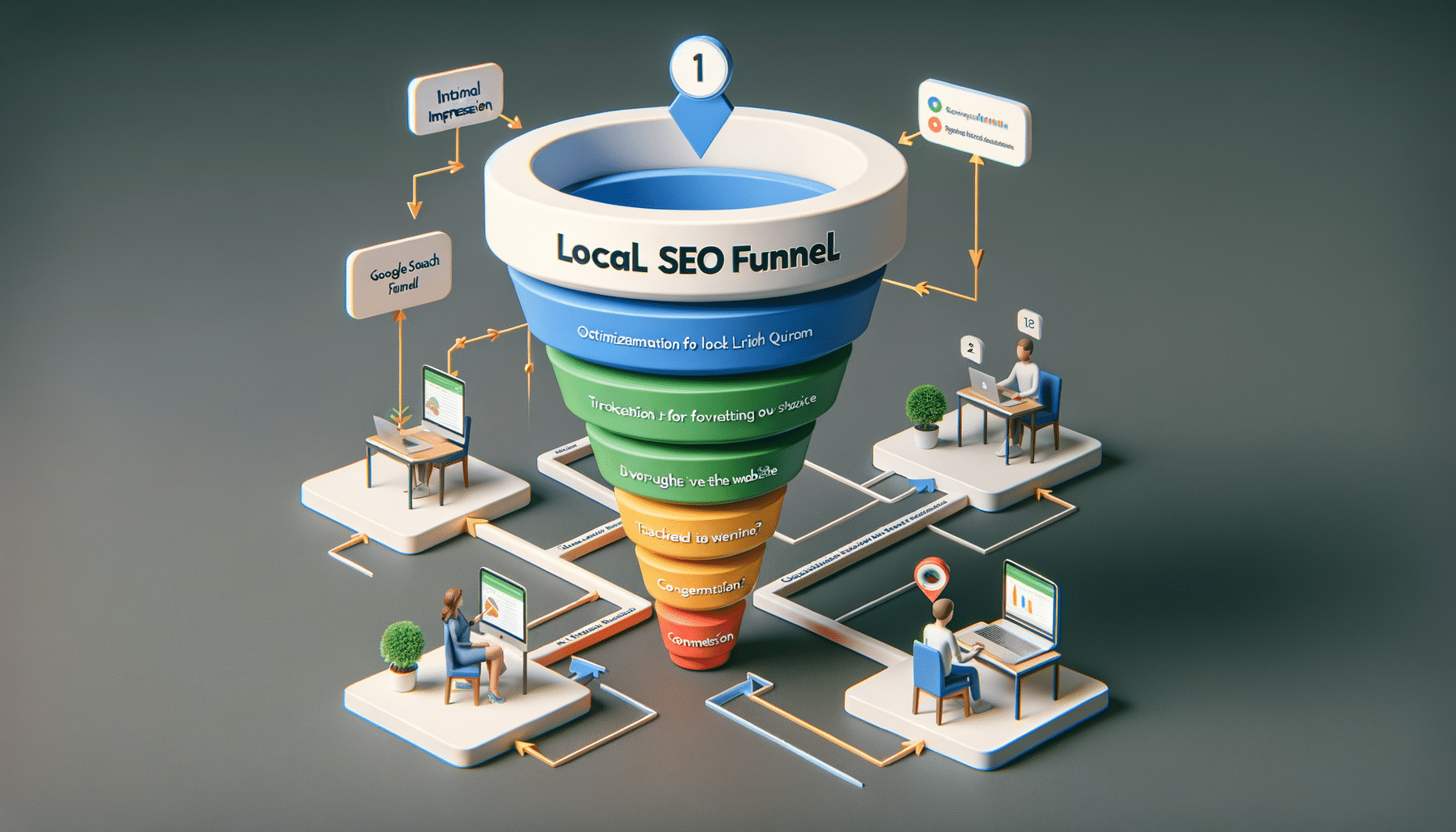
In today’s digital landscape, small businesses face the dual challenge of not only attracting customers but also standing out in an overcrowded marketplace. While pay-per-click (PPC) advertising has long been touted as a reliable way to achieve business visibility, local search engine optimization (SEO) offers an increasingly compelling alternative—especially for small businesses aiming to connect with local clientele. In this article, we will explore why local SEO is essential for small businesses, especially in 2023, and why investing in it may yield higher returns than relying on PPC campaigns.
Understanding Local SEO
Local SEO is the process of optimizing your online presence to attract more business from relevant local searches. This involves a variety of techniques, including:
-
Optimizing Google My Business (GMB): Creating and maintaining an accurate GMB profile is crucial for local SEO. This profile helps your business show up in local search results and maps, providing essential information such as business hours, contact information, and customer reviews.
-
Local Keyword Optimization: Unlike traditional SEO, which targets broader keywords, local SEO focuses on keywords that include geographical terms. For instance, “best pizza in [Your City]” can help drive localized traffic to your website.
-
Online Reviews Management: Reviews can significantly affect your local rankings. Responding to reviews and encouraging satisfied customers to leave positive feedback can improve your visibility.
-
Local Link Building: Partnering with other local businesses can help build valuable backlinks that enhance your site’s authority and relevance.
-
Consistent NAP (Name, Address, Phone) Information: Ensuring that your NAP information is consistent across all platforms helps search engines and potential customers trust your business.
Understanding how local SEO works provides a solid foundation for recognizing its importance for small businesses.
The Rising Importance of Local Search
With the advent of smartphones, the dynamics of how consumers search for products and services have fundamentally changed. Here are some statistics that underscore the significance of local search:
-
Increased Mobile Usage: According to a study by Google, over 76% of people who search for something nearby visit a business within a day. Mobile devices have become the go-to tool for conducting local searches.
-
Local Intent: Searches with local intent have increased dramatically. For instance, searches with “near me” in them have doubled in the last two years, indicating that more consumers are seeking immediate, localized solutions.
-
Voice Search: With the rise of voice-activated devices like Google Assistant and Amazon Alexa, consumers are increasingly using conversational queries that often include local terms. For example, “Where’s the nearest coffee shop?” reflects an immediate intent and locality that local SEO can capture effectively.
In a world where immediacy defines consumer behavior, local SEO helps small businesses meet potential customers exactly where they are—in their neighborhoods and on their mobile devices.
Cost-Effectiveness Compared to PPC
One of the most significant advantages of local SEO over PPC is cost-effectiveness. While PPC can offer immediate visibility, it can strain a small business’s budget. Here’s how local SEO provides a better long-term investment:
-
Sustainable Traffic: Once you’ve invested time and resources into local SEO, the results can be long-lasting. Optimizing your content, claiming your GMB listing, and acquiring backlinks can continue to attract traffic long after the initial effort, unlike PPC ads that require continuous funding.
-
Lower Long-Term Costs: With local SEO, although the initial investment may be higher, the long-term return can be much greater. Once your local rankings improve, you won’t need to continually pay for clicks or impressions.
-
Higher Conversion Rates: Local SEO targets users already inclined to make a purchase. These potential customers are not just browsing; they have intent. This often results in higher conversion rates compared to PPC clicks, which may simply generate visitors without any intention to purchase.
-
Organic Trust Building: Consumers trust organic search results more than paid advertisements. According to search engine rankings, around 70-80% of users tend to ignore paid ads. Establishing a credible online presence through local SEO helps build brand trust, which can lead to higher sales.
Enhanced User Experience
Google’s algorithms increasingly prioritize user experience. A well-optimized local website that delivers relevant information not only improves search rankings but also enhances user satisfaction. Here’s how local SEO addresses user experience more effectively than PPC:
-
Content Relevance: Local SEO allows you to deliver content that meets the specific needs of your community. By focusing on local events, partnerships, and customer stories, you create a connection that resonates with potential customers.
-
Mobile Optimization: Given that local searches are primarily conducted on mobile devices, local SEO emphasizes mobile-friendly sites. These sites load quickly and are easy to navigate, significantly improving user experience.
-
Local Solutions: Local SEO focuses on providing solutions relevant to local consumers. By addressing community needs, small businesses can become go-to resources, fostering loyalty and repeat business.
The Competitive Edge
In a saturated market, distinguishing your small business from competitors can be challenging. Local SEO provides specific advantages that help you stand out:
-
Niche Targeting: With local SEO, you can target a niche audience in your area more effectively. This specificity allows small businesses to focus their marketing efforts on the audience that matters most to them—local customers.
-
Increased Visibility: Enhanced visibility in local search results means emerging businesses can compete with larger entities that may have a bigger marketing budget. Local SEO allows small businesses to level the playing field by ensuring they appear on the map when local customers are searching.
-
Community Engagement: Local SEO strategies often involve engaging with the community through social media and partnerships. This grassroots approach not only builds brand loyalty but also enhances online visibility when community members search for local services.
Building Relationships Through Local Engagement
A local SEO strategy goes beyond mere marketing; it emphasizes building relationships within the community. Here’s how local SEO fosters meaningful connections:
-
Engagement with Local Customers: Interacting with local customers through social media and blogs can establish your business as an authority in your field. As you share valuable insights, you create familiarity that translates into trust.
-
Collaborative Marketing: Partnering with other local businesses for events or promotions enhances visibility and shows community support. These collaborations can be advertised through local SEO content, strengthening connections with both partners and customers.
-
Consumer Feedback: Local SEO encourages collecting and responding to customer reviews. Engaging with feedback—both positive and negative—allows businesses to adapt and grow based on consumer needs, resulting in higher customer satisfaction.
The Future of Local SEO
As technology continues to evolve, local SEO will only grow in importance. Emerging trends in 2023 include:
-
AI-Powered Search: Search engines are becoming smarter with machine learning and AI, meaning that local SEO will require continuous adaptation to changing algorithms.
-
Increased Competition: As more businesses recognize the importance of local SEO, competition will only become fiercer. Staying ahead with optimized local content and responsive customer service will be crucial.
-
Importance of User-generated Content: As user-generated content gains traction, businesses that encourage and leverage this content can enhance their local SEO efforts dramatically.
By staying informed about trends and continually updating strategies, small businesses can build a robust online presence that not only attracts but retains local customers.
Moreover, as consumers strive for authenticity and local connection, embracing local SEO can authentically and effectively strengthen ties with the community. In the ever-competitive arena of small business marketing, local SEO offers a sustainable, cost-effective, and trustworthy avenue for growth, making it an essential strategy for 2023 and beyond.