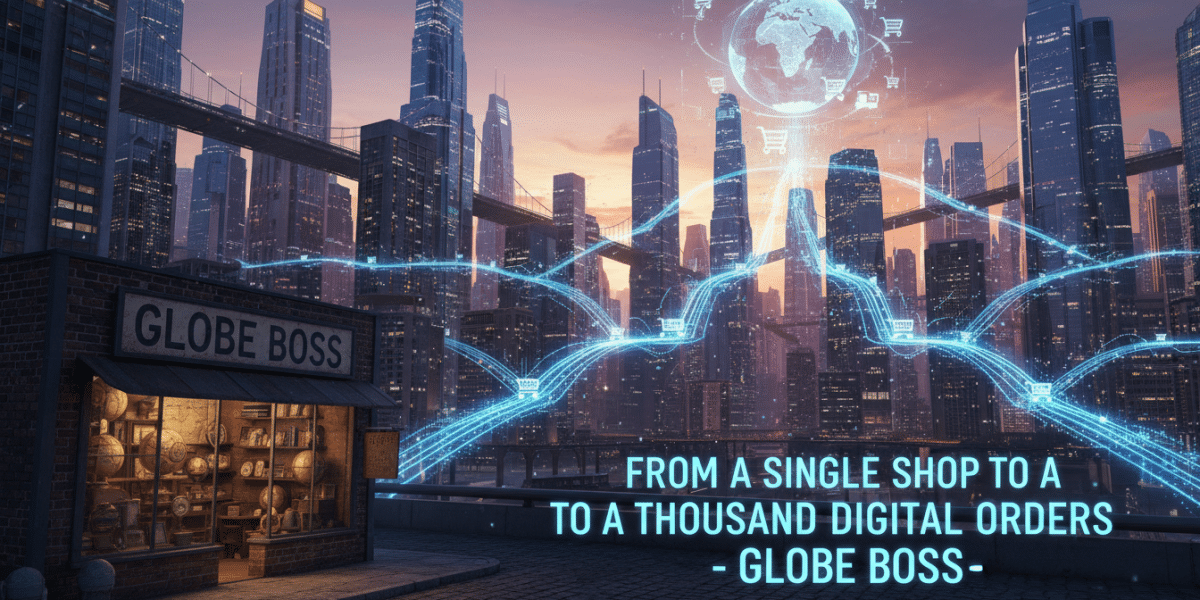
From a Single Shop to a Thousand Digital Orders: How Globe Boss Transformed Local Retail
The aroma of freshly brewed coffee and the rhythmic whir of the grinder were once the defining characteristics of Globe Boss, a small, family-owned coffee shop nestled in the heart of a quiet suburban neighborhood. For years, it thrived on word-of-mouth and loyal customers, its charm stemming from personalized service and a commitment to quality. But the world, and the retail landscape along with it, was changing. The rise of e-commerce, the increasing demand for convenience, and the evolving expectations of consumers presented both a challenge and an opportunity for Globe Boss. Embracing digital transformation, the business embarked on a journey that would catapult it from a single brick-and-mortar location to a thriving online retailer, processing thousands of digital orders monthly. This is the story of how Globe Boss navigated the complexities of the digital world, reinvented its business model, and achieved remarkable success.
The initial spark for change came from a realization that Globe Boss was missing out on a significant portion of the market. While the coffee shop enjoyed a steady stream of local patrons, its reach was limited by geographical constraints. Potential customers outside the immediate vicinity were unable to experience the unique offerings and personalized service that had become the hallmark of the brand. Furthermore, the increasing popularity of online shopping and delivery services was diverting potential customers to larger, more established competitors with a robust online presence.
Recognizing the need to adapt, the owner of Globe Boss, Sarah Miller, initiated a comprehensive analysis of the business’s strengths and weaknesses. She recognized that while the coffee shop possessed a strong brand identity and a loyal customer base, it lacked the infrastructure and expertise necessary to compete effectively in the digital arena. This led to a series of strategic decisions aimed at bridging the gap between the physical store and the online world.
The first step in the digital transformation journey was the development of a user-friendly website and mobile app. Sarah understood that the online platform would serve as the virtual storefront for Globe Boss, and it needed to be visually appealing, easy to navigate, and optimised for mobile devices. She invested in professional web design and development services to create a seamless online experience for customers. The website featured high-quality photographs of the coffee shop’s offerings, detailed product descriptions, and customer reviews. The mobile app allowed customers to browse the menu, place orders, and track their deliveries in real-time.
However, simply creating a website and app was not enough. Sarah understood that attracting and retaining online customers required a multifaceted approach that encompassed marketing, customer service, and order fulfillment. She developed a comprehensive digital marketing strategy that included search engine optimisation (SEO), social media marketing, email marketing, and paid advertising.
Embracing Digital Marketing and Building an Online Community:
The SEO strategy focused on optimising the website and content for relevant keywords related to coffee, specialty drinks, and local cafes. This involved conducting keyword research, optimising meta descriptions, and building backlinks from reputable websites. The social media marketing strategy leveraged platforms like Facebook, Instagram, and Twitter to engage with potential customers, build brand awareness, and promote special offers. Sarah understood the power of visual content and invested in high-quality photographs and videos that showcased the coffee shop’s ambiance, products, and employees.
Email marketing played a crucial role in nurturing leads and building customer loyalty. Sarah implemented an email marketing platform that allowed her to segment her audience, personalize email messages, and track campaign performance. She used email to announce new product launches, promote special discounts, and share valuable content related to coffee and brewing techniques.
Paid advertising, primarily through Google Ads and social media advertising, allowed Globe Boss to reach a wider audience and target specific demographics. Sarah carefully monitored the performance of her advertising campaigns and adjusted her targeting and bidding strategies based on the data she collected.
Beyond traditional marketing tactics, Sarah recognized the importance of building an online community around the Globe Boss brand. She encouraged customers to share their experiences on social media using a branded hashtag and regularly engaged with them in the comments section. She also hosted online contests and giveaways to incentivize participation and generate excitement. This approach fostered a sense of belonging and loyalty among customers, turning them into brand ambassadors who actively promoted Globe Boss within their own networks.
Streamlining Operations and Optimizing Order Fulfillment:
As the number of online orders began to increase, Sarah realized that she needed to streamline her operations and optimise her order fulfillment process. The existing manual processes were simply not scalable to handle the growing volume of online transactions. This led to the implementation of several key changes:
- Point of Sale (POS) Integration: Sarah integrated her POS system with her online ordering platform to ensure that orders were automatically routed to the kitchen and inventory levels were updated in real-time. This eliminated the need for manual order entry and reduced the risk of errors.
- Order Management System (OMS): She implemented an OMS to manage orders from multiple channels, including the website, mobile app, and third-party delivery platforms. The OMS provided a centralized view of all orders and allowed her to track their status from creation to fulfillment.
- Inventory Management System (IMS): To prevent stockouts and ensure that she had enough inventory to meet demand, Sarah implemented an IMS that tracked inventory levels, predicted future demand, and automatically reordered supplies when needed.
- Delivery Optimization: Recognizing the importance of timely and efficient delivery, Sarah explored various options for optimising her delivery process. She initially used her own staff to handle deliveries, but as the volume of orders increased, she partnered with a third-party delivery service to expand her reach and improve delivery times. She also implemented a route optimisation system to ensure that delivery drivers were taking the most efficient routes.
Investing in Customer Service and Building Relationships:
Throughout the digital transformation process, Sarah remained committed to providing exceptional customer service. She understood that online customers often have different expectations than in-store customers, and she needed to adapt her customer service approach accordingly.
She established a dedicated customer service team to handle online inquiries and resolve issues promptly. The team was trained to respond to emails, phone calls, and social media messages in a professional and courteous manner. She also implemented a live chat feature on the website to provide real-time support to customers who needed immediate assistance.
Sarah also recognized the importance of building relationships with her online customers. She personalized email communications, addressed customers by name, and offered exclusive discounts and promotions to loyal customers. She also actively solicited feedback from customers and used their suggestions to improve her products and services.
Overcoming Challenges and Adapting to Change:
The journey from a single shop to a thousand digital orders was not without its challenges. Sarah faced several obstacles along the way, including:
- Technological Difficulties: Implementing new technologies and integrating them with existing systems proved to be more complex than anticipated. She had to work closely with her technology providers to resolve technical issues and ensure that everything was working smoothly.
- Competition: The online retail market is highly competitive, and Sarah faced stiff competition from larger, more established players. She had to differentiate herself by offering unique products, exceptional customer service, and a strong brand identity.
- Changing Consumer Expectations: Consumer expectations are constantly evolving, and Sarah had to stay up-to-date on the latest trends and technologies to remain competitive. She regularly surveyed her customers to gather feedback and used their suggestions to improve her products and services.
- Scaling the Business: As the business grew, Sarah faced challenges related to scaling her operations and managing her resources effectively. She had to hire additional staff, invest in new equipment, and expand her physical space to accommodate the increased demand.
Despite these challenges, Sarah remained resilient and adaptable. She learned from her mistakes, sought advice from mentors and industry experts, and continuously improved her business processes. She embraced change and remained open to new ideas, allowing her to stay ahead of the curve and maintain a competitive edge.
The transformation of Globe Boss from a single coffee shop to a thriving online retailer is a testament to the power of digital transformation and the importance of adapting to change. By embracing technology, streamlining operations, and prioritizing customer service, Sarah Miller successfully navigated the complexities of the digital world and achieved remarkable success. Her story serves as an inspiration to other small businesses looking to expand their reach and thrive in the digital age.
Dublin's ROI-Driven Digital Marketing Agency Home
Related Posts
 How Online Marketing Can Scale Your Dublin Business
 Making e commerce great for business
 7 strategies for scaling your business through digital marketing
 Digital marketing strategy e commerce distribution
 Building a successful e commerce website
 Globe Boss Digital Marketing Agency Dublin
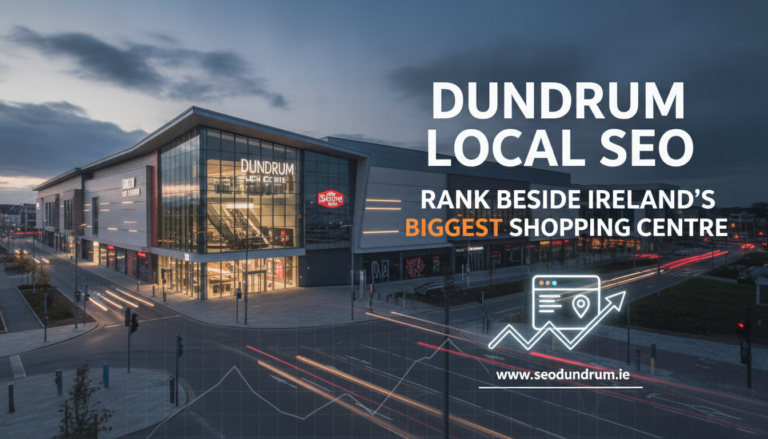 Dundrum Local SEO: Rank Beside Irelandʼs Biggest Shopping Centre
 Globe Boss Digital Growth Dublin