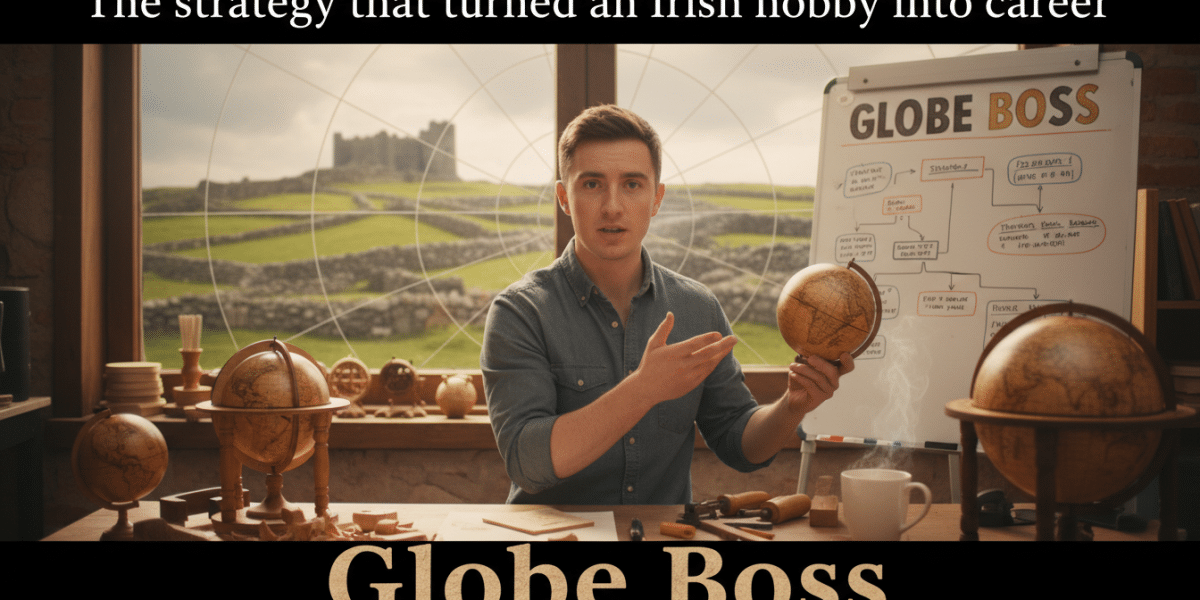
The Strategy That Turned an Irish Hobby into a Career: How Globe Boss Conquered the World of Wooden Maps
The aroma of burning wood, the intricate details emerging from laser-cut plywood, and the satisfying click of precisely fitted pieces – these were the sensory experiences that first captivated Alan and his team, the founders of Globe Boss. What started as a late-night hobby fueled by a shared passion for cartography and woodworking has blossomed into a thriving international business, crafting and selling stunning, multi-layered wooden maps that adorn walls across the globe. But the journey from a cluttered workshop in Ireland to a globally recognized brand wasn’t paved with luck alone. It was a testament to a carefully considered strategy, a blend of artistic vision, technological innovation, and a deep understanding of their target audience.
The Genesis: A Spark of Inspiration and the Allure of Craftsmanship
Before Globe Boss became a name synonymous with sophisticated wall decor, it was simply an idea germinating in the minds of a few friends. The team, initially drawn together by a shared interest in geography and DIY projects, found themselves increasingly fascinated by the potential of laser cutting. They experimented with various materials, but the natural beauty and tactile warmth of wood quickly emerged as their medium of choice.
"We were always drawn to maps," Alan explains, the passion evident in his voice. "There’s something inherently captivating about seeing the world distilled onto a single canvas. And with laser cutting, we realized we could bring a whole new dimension to mapmaking – literally. We could create depth, texture, and a level of detail that was previously unattainable."
Early prototypes, crafted with painstaking care and a healthy dose of trial and error, were rough around the edges but brimming with potential. They showcased local landmarks, highlighting the contours of the Irish landscape and the intricate patterns of its coastline. These early pieces weren’t just maps; they were miniature works of art, each layer of wood meticulously placed to create a three-dimensional representation of the world.
The initial intention wasn’t to build a business. It was simply to satisfy a creative itch and explore the possibilities of their newfound craft. But as they shared their creations with friends and family, the response was overwhelmingly positive. People were captivated by the uniqueness and artistry of the wooden maps, and requests for custom pieces began to pour in. It was then that the team realized they might be onto something special.
From Hobby to Hustle: Building the Foundations for Growth
Transforming a hobby into a sustainable business requires more than just passion and skill. It demands a strategic approach that encompasses product development, marketing, and operational efficiency. For Globe Boss, this transition involved several key steps:
-
Refining the Product and Identifying the Niche: The early maps were a proof of concept, but they needed refinement to appeal to a wider audience. The team invested in higher-quality materials, experimented with different wood types and finishes, and honed their laser cutting techniques to achieve greater precision and detail. They also recognized the importance of offering a variety of sizes and styles to cater to different tastes and budgets.
Crucially, they identified their niche: high-quality, aesthetically pleasing wooden maps that served as both art and conversation starters. They weren’t aiming to compete with mass-produced posters or digital maps. Instead, they focused on creating a premium product that appealed to discerning customers who valued craftsmanship, originality, and a connection to the world. -
Embracing E-commerce and Social Media Marketing: With limited resources, Globe Boss relied heavily on the power of online platforms to reach potential customers. They built a user-friendly e-commerce website that showcased their product range and provided detailed information about the materials and craftsmanship involved. They also invested in social media marketing, using platforms like Instagram and Facebook to share stunning visuals of their maps, engage with their audience, and build brand awareness.
The key to their social media strategy was authenticity and visual storytelling. They didn’t just post pictures of their maps; they shared behind-the-scenes glimpses of their workshop, highlighted the intricate details of their designs, and showcased customer photos featuring their products in real-life settings. This approach helped them build a loyal following and establish themselves as a trusted brand. -
Streamlining Production and Scaling Operations: As demand grew, the team faced the challenge of scaling their operations without compromising the quality of their products. They invested in additional laser cutting equipment, optimised their production processes, and implemented quality control measures to ensure that every map met their exacting standards.
They also explored options for outsourcing certain aspects of their business, such as packaging and shipping, to free up their time to focus on design, marketing, and customer service. This allowed them to scale their operations more efficiently and meet the growing demand for their wooden maps. - Focusing on Customer Experience and Building Relationships: From the very beginning, Globe Boss prioritized customer satisfaction. They responded promptly to inquiries, offered personalized service, and went above and beyond to ensure that their customers were happy with their purchases. They also actively solicited feedback and used it to improve their products and services.
This dedication to customer experience helped them build a strong reputation and generate positive word-of-mouth, which was crucial for driving sales and building brand loyalty.
Innovation and Differentiation: Standing Out in a Crowded Market
The wall decor market is saturated with options, from mass-produced prints to generic canvases. To succeed, Globe Boss needed to differentiate themselves from the competition. They achieved this through a combination of innovation and a commitment to quality:
-
The Multi-Layered Design: The core innovation of Globe Boss’s maps lies in their multi-layered design. By layering different sheets of wood, they create a three-dimensional effect that adds depth and texture to the map. This technique allows them to highlight geographical features, such as mountain ranges and coastlines, in a visually striking way.
The number of layers in each map varies depending on the complexity of the design and the desired level of detail. Some maps feature as few as three layers, while others boast upwards of ten. Each layer is carefully designed and laser-cut to ensure a perfect fit and a seamless visual transition. -
Personalization and Customization: Recognizing that many customers were looking for something truly unique, Globe Boss offered personalization options that allowed them to tailor their maps to their individual preferences. Customers could choose from a variety of wood types, sizes, and finishes, and they could even add custom engravings to commemorate special events or locations.
This personalization aspect proved to be a major selling point, as it allowed customers to create truly one-of-a-kind pieces that reflected their personal stories and interests. -
Focus on Sustainability: In an increasingly environmentally conscious world, Globe Boss recognized the importance of sustainable practices. They sourced their wood from sustainably managed forests and used eco-friendly finishes whenever possible. They also implemented waste reduction measures in their workshop and minimized their carbon footprint.
This commitment to sustainability resonated with many customers, who appreciated the fact that they were purchasing a product that was both beautiful and responsible. - Expanding the Product Line: While wooden maps remained their core product, Globe Boss also expanded their product line to include other related items, such as wooden clocks, coasters, and even puzzles, all featuring the same intricate designs and high-quality craftsmanship.
This diversification allowed them to cater to a wider range of customers and generate additional revenue streams.
Navigating Challenges and Embracing Growth:
The journey of Globe Boss hasn’t been without its challenges. Like any growing business, they’ve faced hurdles related to supply chain management, competition, and maintaining quality control as their operations expanded. However, their ability to adapt, innovate, and stay true to their core values has allowed them to overcome these obstacles and continue on their path to success.
One of the biggest challenges they faced was managing the logistics of shipping their delicate wooden maps to customers around the world. They invested in robust packaging materials and developed a streamlined shipping process to minimize the risk of damage during transit. They also worked closely with their shipping partners to ensure timely and reliable delivery.
Another challenge was dealing with the increasing competition in the online marketplace. As the popularity of wooden maps grew, more and more companies began offering similar products. To stand out from the crowd, Globe Boss focused on maintaining their high standards of quality, offering unique designs, and providing exceptional customer service. They also continued to invest in marketing and branding to build awareness and differentiate themselves from their competitors.
As Globe Boss continues to grow, they remain committed to their original vision: to create beautiful, sustainable, and personalized wooden maps that inspire and connect people to the world around them. Their story is a testament to the power of passion, creativity, and strategic thinking in turning a humble hobby into a thriving international business.
Dublin's ROI-Driven Digital Marketing Agency Home
Related Posts
 Why the best SEO strategy starts with an Irish handshake
 Building a Local Citation Strategy for Irish Business Success
 The Backlink Strategy That Actually Works for Irish Small Businesses
 LCP, INP, CLS Explained for Irish Business Owners
 What Googleʼs Core Updates Mean for Your Irish Business
 Technical SEO and Why Irish Businesses Need It
 What Is Remarketing and Why Should Irish Businesses Use It
 How to Grow Your Dublin Business on Instagram in 2026