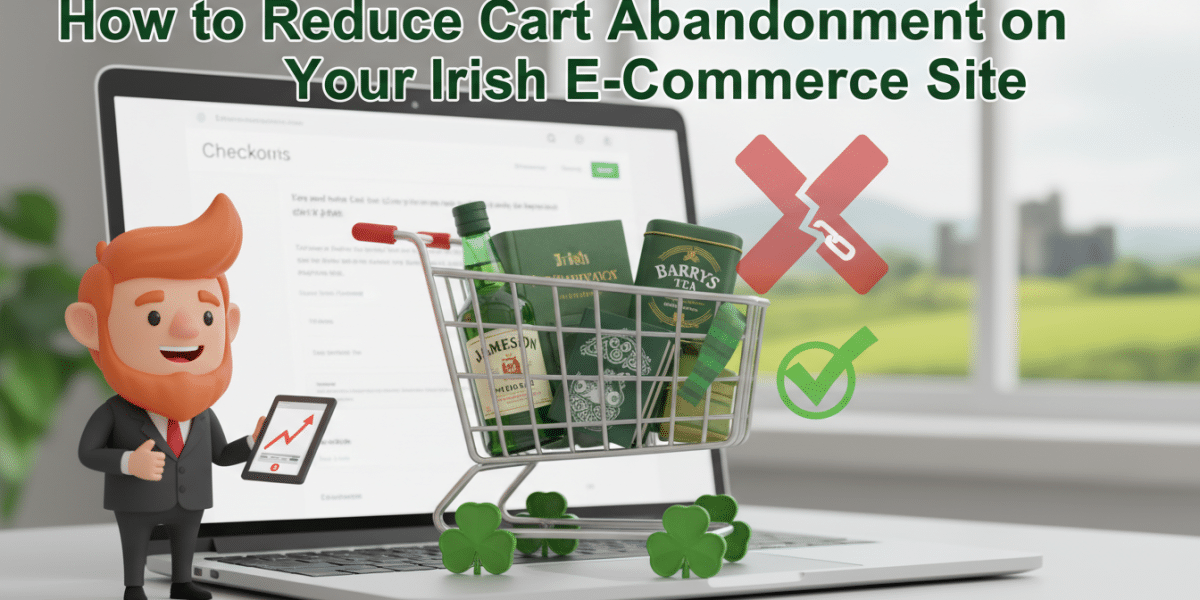
How to Reduce Cart Abandonment on Your Irish E-Commerce Site: A Comprehensive Guide for Local Businesses
There’s a common scenario that plays out daily on countless e-commerce sites across Ireland: a customer meticulously browses your products, adds a few coveted items to their cart, perhaps even enters their shipping details, and then, without a trace, vanishes into the digital ether. Their basket of potential purchases sits there, forlorn and unbought, a stark reminder of a sale that almost was. This frustrating phenomenon is known as cart abandonment, and for businesses on the Emerald Isle, it represents a significant drain on potential revenue.
It’s not just a minor annoyance; figures suggest that globally, nearly 70% of online shopping carts are abandoned. While this number can fluctuate, it highlights a universal challenge. For Irish e-commerce sites, understanding why our local customers might leave their carts and, more importantly, how to reduce cart abandonment on your Irish e-commerce site is absolutely crucial for sustainable growth. This article will delve into the core reasons behind this digital disappearing act and arm you with practical, actionable strategies to convert those nearly-there shoppers into loyal, paying customers.
Understanding Why Irish Shoppers Abandon Their Carts
Before we can tackle the problem, we need to understand its roots. While some reasons for cart abandonment are universal, there are nuances specific to the Irish market and consumer behaviour. Let’s explore the common culprits that cause Irish shoppers to hit the ‘back’ button.
Unexpected Costs at Checkout
This is consistently one of the biggest reasons for abandonment, both globally and locally. Irish consumers are savvy and value transparency. If a product looks like a bargain initially, but then hefty shipping fees, processing charges, or other hidden costs suddenly appear at the checkout stage, it’s a massive turn-off. While internal EU shipping has simplified things, customers still dislike being surprised. A €5 item suddenly becoming €12 due to unexpected shipping can immediately kill a sale.
Complex or Lengthy Checkout Processes
Nobody enjoys navigating a labyrinthine checkout. If your customer has to jump through too many hoops – multiple pages, endless forms, or mandatory account creation before they can even think about paying – you’re creating friction. Time is precious, and Irish shoppers, like any others, want a quick, seamless path from selection to purchase. A clunky, drawn-out process breeds impatience and often leads to an abandoned cart.
Lack of Trust and Security Concerns
Trust is paramount in online shopping. If your e-commerce site doesn’t exude professionalism and security, shoppers will hesitate. This could manifest as an outdated website design, the absence of visible security badges (like an SSL certificate padlock), or simply a lack of clear contact information. Irish consumers want to feel confident that their personal and financial data are safe and that they’re dealing with a legitimate business.
Limited Payment Options
While card payments and PayPal are widely used, payment preferences can vary. If your Irish e-commerce site only offers one or two payment methods, you might be excluding a segment of potential customers who prefer alternatives. The rise of digital wallets and ‘Buy Now Pay Later’ schemes means that offering a diverse range of trusted payment solutions is becoming increasingly important to cater to varied consumer habits.
Poor Website Performance or Mobile Experience
In an age where smartphones are an extension of ourselves, a seamless mobile experience is non-negotiable. If your site is slow to load, difficult to navigate on a small screen, or has unresponsive elements, mobile shoppers will quickly grow frustrated and leave. Similarly, a desktop site that loads slowly or has glitches can be equally off-putting, signalling an unprofessional or unreliable store.
Returns Policy Uncertainty
Customers often like to know they have an ‘out’ should a product not meet their expectations. If your returns policy is unclear, difficult to find, or perceived as overly restrictive, it can introduce doubt and prevent a purchase, especially for items like clothing or electronics. Shoppers want reassurance that if things don’t work out, they won’t be stuck with an unwanted item or a complicated return process.
Proven Strategies to Reduce Cart Abandonment on Your Irish E-Commerce Site
Now that we understand the ‘why,’ let’s focus on the ‘how.’ Here are practical, actionable strategies to help you reduce cart abandonment on your Irish e-commerce site and boost your conversion rates.
Transparency is King: Tackle Hidden Costs Head-On
Be upfront about all costs. The best way to do this is to include estimated shipping costs as early as possible – ideally on the product page itself or in the cart summary before the final checkout stage.
- Early Shipping Calculator: Allow customers to enter their Eircode for an accurate shipping cost estimate on the product page.
- Free Shipping Thresholds: Clearly advertise a free shipping threshold (e.g., “Free shipping on all orders over €50!”). This not only manages expectations but also encourages higher order values.
- All-Inclusive Pricing: Ensure any local taxes (like VAT) are clearly shown or included from the get-go. For an Irish craft seller, showing the exact total from the moment items are added to the cart can significantly reduce last-minute shocks.
Streamline Your Checkout Process
Simplicity is key. Every unnecessary step or field you remove increases the likelihood of a completed purchase.
- Guest Checkout Option: This is non-negotiable. Many first-time buyers don’t want to commit to creating an account. Offer it prominently and make account creation optional after purchase.
- Progress Indicator: A simple visual progress bar (e.g., “1. Shipping > 2. Payment > 3. Review”) keeps customers informed and motivated.
- Auto-Fill and Remember Details: Where possible, leverage browser auto-fill or allow returning customers to save their details securely.
- Minimal Forms: Only ask for essential information. Do you really need their fax number? Unlikely. A local bookstore reducing its checkout from five steps to a clear, concise three has seen a marked improvement.
Build Trust and Security
Show your customers that your Irish e-commerce site is safe and reliable.
- Prominently Display Security Badges: SSL certificates (the padlock in the browser bar), trusted payment gateway logos (Visa, Mastercard, Stripe, PayPal), and data protection badges all reassure customers.
- Clear Contact Information: Ensure your phone number, email address, and physical address (if applicable) are easy to find, ideally in the header or footer. An accessible “Contact Us” page builds confidence.
- Customer Reviews and Testimonials: Showcase positive feedback, especially from other Irish customers. This social proof is incredibly powerful.
- Professional Design: A clean, modern, and user-friendly website design instantly conveys credibility and professionalism.
Offer Diverse and Convenient Payment Options
Cater to varied preferences by providing a range of trusted payment methods.
- Major Cards: Visa, Mastercard, and American Express are standard.
- Digital Wallets: PayPal, Apple Pay, and Google Pay offer quick, secure transactions.
- Buy Now Pay Later (BNPL): Services like Klarna or Clearpay are gaining popularity in Ireland, allowing customers to spread the cost.
- Revolut: Given its widespread adoption in Ireland, integrating Revolut as a payment option can be a significant advantage for a Galway-based gadget shop, for example, appealing to a tech-savvy demographic.
Optimise for Mobile First
With the majority of Irish consumers now browsing and shopping on their phones, a stellar mobile experience is paramount.
- Responsive Design: Your site must adapt flawlessly to any screen size.
- Fast Loading Times: Mobile users are even less patient than desktop users. Optimise images and code to ensure lightning-fast loads.
- User-Friendly Interface: Large, tappable buttons, clear fonts, and simple navigation are essential. A Dublin café’s online merchandise store that’s clunky on mobile will see customers jump ship faster than you can say ‘flat white’.
Create a Clear and Customer-Friendly Returns Policy
Remove any doubt or anxiety about product returns.
- Easy to Find: Link to your returns policy prominently in the footer and on product pages.
- Simple Language: Avoid legal jargon. Explain the process clearly and concisely.
- Fair Conditions: Offer a reasonable return window (e.g., 14 or 30 days) and clear instructions on how to initiate a return and receive a refund or exchange. An Irish homeware store offering a “no quibble” 30-day return policy instils significant confidence.
Leverage Exit-Intent Pop-ups and Retargeting
Even with the best intentions, some customers will still abandon their carts. Don’t let them go without a fight.
- Exit-Intent Pop-ups: When a user’s mouse hovers towards closing the browser tab, trigger a pop-up offering a small incentive – perhaps a 5% discount, free shipping, or a reminder of items in their cart.
- Email Remarketing: Set up automated email sequences for cart abandoners. Send a friendly reminder email an hour later, a follow-up with an incentive 24 hours later, and perhaps a final reminder after a few days. An online deli sending a follow-up email with a discount code for items left in the cart can often reignite interest.
- Ad Retargeting: Use platforms like Google Ads and social media (Facebook, Instagram) to display targeted ads to users who visited your site and abandoned their cart.
Enhance Product Pages with High-Quality Information
The journey to the cart begins on the product page. Poor information here can lead to pre-checkout abandonment.
- Detailed Descriptions: Go beyond basic specs. Tell a story, highlight benefits, and answer potential questions.
- High-Resolution Images and Videos: Show your products from multiple angles, in use, and with zoom functionality. For a Cork-based jewellery site, 360-degree views and detailed material info are essential.
- Customer Reviews & Q&A: Encourage and display user-generated content. Let customers ask questions directly on the page.
- Stock Availability: Clearly show if an item is in stock or if there’s a lead time.
The Irish Context: Tailoring Your Approach
While many strategies are universal, a local touch can make all the difference when you aim to reduce cart abandonment on your Irish e-commerce site.
Understand Local Preferences
Irish consumers appreciate value for money, but also convenience and reliability. There’s also a growing emphasis on supporting local businesses. Highlighting your Irish roots and sourcing can resonate deeply with customers. Think about promoting “Made in Ireland” or “Shop Local” messaging.
Shipping Expectations within Ireland
Irish customers expect reliable and reasonably fast delivery within the island. Familiarity with local couriers like An Post, DPD, or Fastway provides reassurance. Clearly state your estimated delivery times and choose partners that can consistently meet them. Offering an option for ‘click and collect’ if you have a physical presence can also be a huge draw.
Customer Service with an Irish Touch
Friendly, approachable, and helpful customer service is deeply valued here. If a customer has a query during their shopping journey, easy access to support – whether via live chat, phone, or email – can prevent abandonment. Being able to communicate with a real person who understands local contexts and concerns can build immense loyalty.
Conclusion
Cart abandonment is an inevitable part of running an e-commerce business, but it doesn’t have to be a crippling one. By understanding the core reasons why shoppers on your Irish e-commerce site might leave their carts and implementing the practical strategies outlined above, you can significantly tip the scales in your favour. From ensuring transparent pricing and streamlining your checkout process to building trust and optimising for mobile, every small improvement contributes to a smoother, more enjoyable shopping experience.
Focus on your customers’ journey, anticipate their needs and concerns, and offer a seamless path from browsing to buying. By embracing these tactics and consistently refining your approach, you’ll not only reduce cart abandonment on your Irish e-commerce site but also cultivate a base of satisfied, loyal customers, ensuring your online venture truly thrives on the digital landscape of Ireland. Go on, give your customers every reason to click ‘buy’!
Dublin's ROI-Driven Digital Marketing Agency Home
Related Posts
 How to Reduce Cart Abandonment on a Dublin E-commerce Site
 How to Use Google Shopping Ads to Grow an Irish E-Commerce Brand
 Top SEO Ireland Services
 SEO FAQs for Irish Businesses: What to Expect | Globe Boss
 Page Speed Optimisation for Irish E-commerce Stores
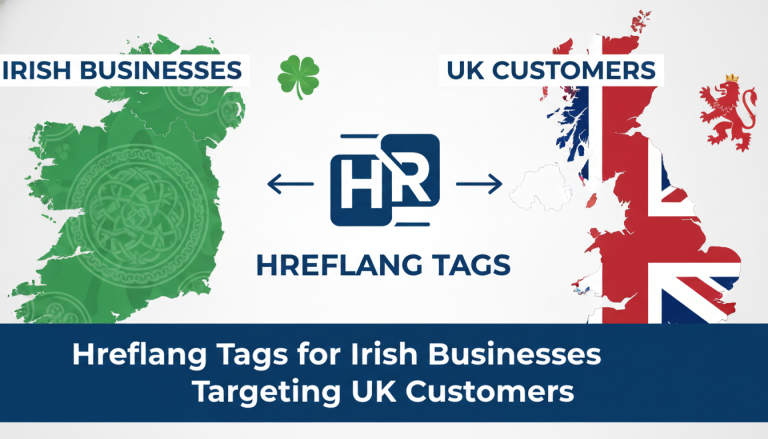 Hreflang Tags for Irish Businesses Targeting UK Customers
 Shopify vs WooCommerce SEO for Irish Online Stores
 How to Fix Index Bloat on a WordPress Site