Stop Writing, Start Converting: Content Mapping for Irish Buyers
In the dynamic realm of digital marketing, every strategy hinges upon understanding your audience. As businesses strive to connect with their audience, especially in a unique market like Ireland, the approach to content must evolve. Traditional content production—where the goal is merely to write extensive articles—no longer suffices. Instead, marketers must embrace content mapping aimed at converting readers into buyers.
Understanding the Landscape of Irish Buyers
To initiate effective content mapping, it’s crucial to understand the demographic, cultural, and purchasing behaviors of Irish consumers. Ireland possesses a rich tapestry of cultural values and distinct shopping habits that directly influence buying decisions.
1. Cultural Insights
Irish culture is steeped in history and traditions that significantly influence consumer behavior. The Irish are known for their strong community ties, which highlights the importance of building trust in marketing efforts. This trust can be established through storytelling, where brands share authentic narratives that resonate with the Irish ethos.
Additionally, the sense of humor prevalent in Irish society can also be a powerful tool in content marketing. Brands that can craft messages infused with wit and humor are likely to engage more effectively with the audience.
2. Buying Habits
Recent studies reveal a growing trend of digital shopping in Ireland, particularly post-pandemic. Yet, it remains crucial to recognize that Irish buyers often prefer local businesses and are more likely to purchase from companies that exhibit ethical practices and environmental consciousness.
This preference suggests that content created for Irish buyers should not only resonate with their cultural values but also address their ecological concerns. Strategies that focus on sustainability and support for local economies are likely to yield positive results.
The Concept of Content Mapping
Content mapping is the strategic process of aligning content to various stages of a customer’s buying journey. This involves understanding how potential buyers consume information and tailoring content to meet their needs at each step.
1. Awareness Stage
In the first stage of the buying journey, potential buyers recognize a problem or opportunity. At this stage, they may not yet be aware of your brand or product. Content designed for awareness should be informative and engaging, aiming to capture the reader’s interest without being overtly promotional.
For instance, a local Irish coffee company could publish blog posts about the history of coffee culture in Ireland, engaging readers with trivia, stories of local coffee roasters, or insights on how coffee consumption has changed over generations. These pieces serve to pique interest and present the brand as a knowledgeable player within that space.
2. Consideration Stage
Once potential buyers are aware of their needs, they enter the consideration phase. Here, they begin to research possible solutions. Content at this stage should provide valuable comparisons, insights, and user-driven testimonials.
For example, an Irish tech company could develop content that compares different software solutions for SMEs, emphasizing local success stories. By incorporating case studies of how certain software has benefited Irish businesses, the content resonates with the audience’s familiarity with local contexts.
3. Decision Stage
At the decision stage, buyers are looking for concrete reasons to choose one brand over another. This is where persuasive content comes into play. Detailed product descriptions, reviews, and compelling calls-to-action should be prominent.
Here, an Irish fashion retailer could utilize user-generated content, showcasing customers wearing their products at local events or festivals. This not only bolsters social proof but creates a relatable image that can influence purchasing decisions.
Techniques for Effective Content Mapping
Creating a successful content map involves several key techniques:
1. Audience Segmentation
Understanding the demographics, psychographics, and behavior of your target audience is foundational. Create buyer personas that reflect the diverse segments within the Irish market, from young professionals to retirees. Each persona will have distinct needs, preferences, and challenges that your content must address.
2. Keyword Research
Keywords play a crucial role in content mapping. Research popular search queries relevant to your products and industry. This insight can guide the creation of content that not only resonates with audiences but also ranks well in search results, thus increasing discoverability.
Tools like Google Trends or SEMrush can help identify trending topics and frequently searched terms used by Irish consumers.
3. Content Formats
Different stages of the buying journey may benefit from various content formats. For awareness, consider blogs or infographics; for consideration, think along the lines of e-books, white papers, or webinars; and for decision-making, leverage detailed product videos, testimonials, or interactive tools.
Adapting content formats to suit the preferences of the Irish audience can enhance engagement. For instance, podcasts can be particularly effective, considering the rising popularity of audio content among the Irish populace.
Leveraging Local SEO
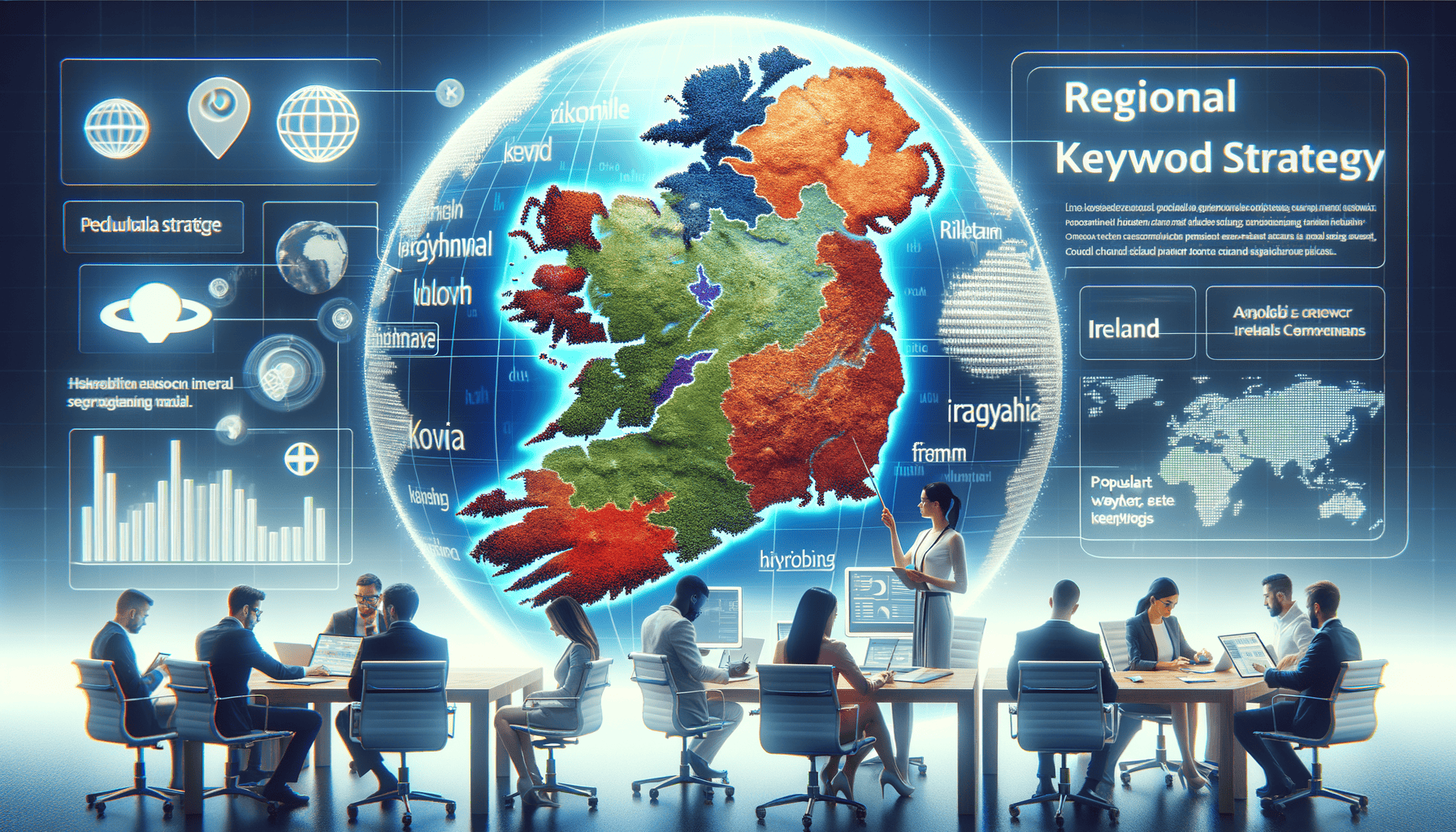
Given that local businesses often benefit from a devoted local consumer base, optimizing your content for local SEO is imperative. This includes incorporating localized keywords, creating content that speaks to specific geographical regions within Ireland, and ensuring business information is up-to-date on all platforms.
For example, a local restaurant chain could create blog posts about the best locally sourced ingredients available in different counties, while also optimizing for local search terms like “best restaurants in Dublin” to attract nearby consumers.
Analyzing and Iterating Your Content Map
Content mapping is not a one-time endeavor; it requires constant analysis and adjustments based on performance metrics.
1. Tracking Performance
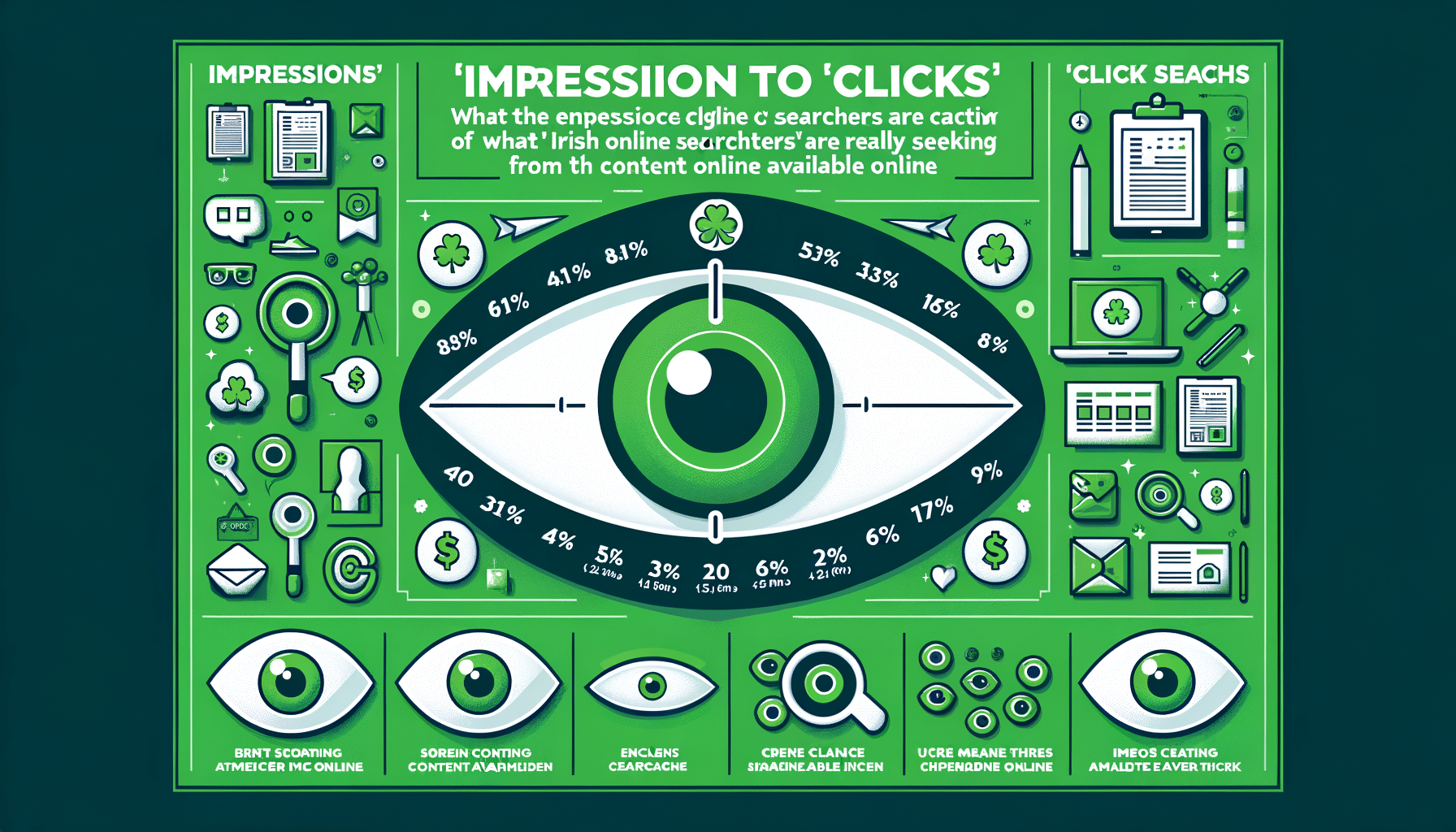
Use analytics tools to measure how well your content performs across different platforms. Metrics like click-through rates, engagement levels, and conversion rates provide critical insights into what content resonates best with your audience.
2. A/B Testing
Experiment with different types of content or presentation styles to determine what works best. A/B testing various headlines, images, or calls to action can reveal valuable preferences of your target audience.
Integrating User Feedback
Feedback loops from your audience can provide insights into potential content gaps or areas for improvement. Engage with customers through surveys, social media comments, or reviews to understand their needs better.
Conclusion (Omitted as per request)
In the fast-paced digital landscape, marketing to Irish buyers requires a deeper understanding of their unique culture and preferences. By focusing on content mapping and creating impactful, conversion-driven content, brands can authentically connect with their audience and efficiently guide them along their buying journey.