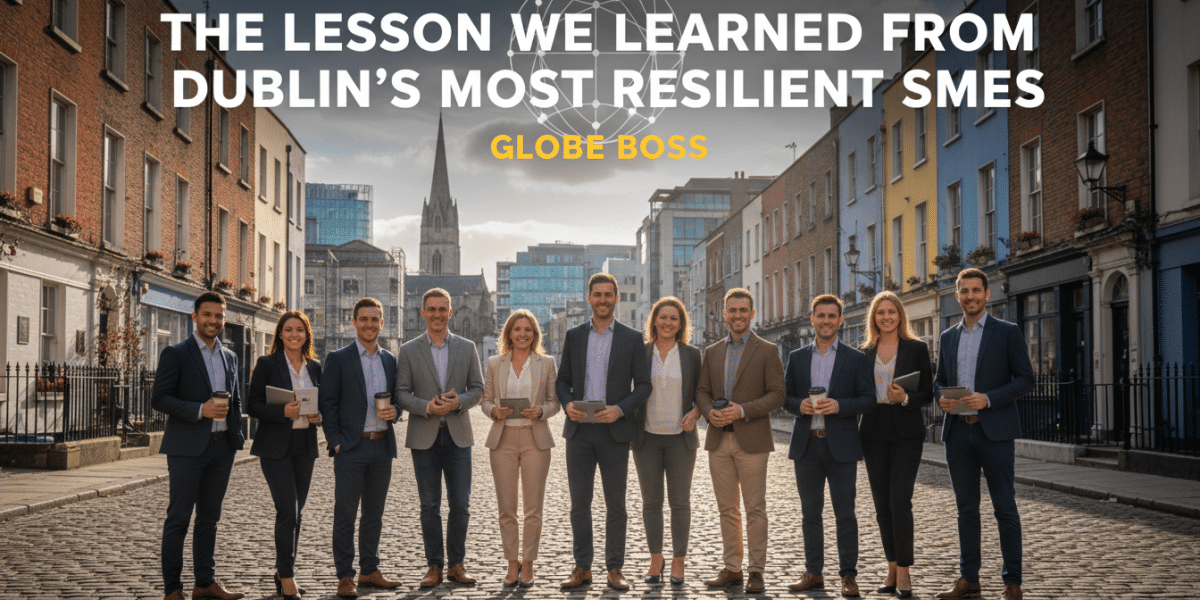
The Lesson We Learned From Dublin’s Most Resilient SMEs: Globe Boss
Dublin, a city steeped in history and brimming with entrepreneurial spirit, has weathered its fair share of storms. From economic downturns to global pandemics, the city’s small and medium-sized enterprises (SMEs) have consistently demonstrated an extraordinary capacity for resilience. As Globe Boss, a company dedicated to supporting SMEs with innovative business solutions, we’ve had a front-row seat to witness this tenacity firsthand. Through close collaboration with countless Dublin-based businesses, we’ve gleaned invaluable lessons about what it truly takes to not just survive, but thrive, in the face of adversity. These lessons, gleaned from the trenches of real-world challenges, offer a roadmap for navigating uncertainty and building enduring businesses, not just in Dublin, but globally.
1. Embrace Adaptability: The Currency of Survival
Perhaps the most glaringly obvious, yet profoundly important, lesson revolves around the necessity for adaptability. The "that’s the way we’ve always done it" mentality is a death knell in today’s rapidly changing business environment. Dublin’s most resilient SMEs have proven adept at pivoting, tweaking their offerings, and embracing new technologies to meet evolving customer needs and market demands.
Consider the example of a traditional Dublin pub, "The Old Shillelagh," a Globe Boss client. When the COVID-19 pandemic forced nationwide lockdowns, this iconic establishment faced an existential threat. Instead of succumbing to despair, the owners swiftly adapted. They invested in online ordering platforms, curated takeaway menus featuring pub classics alongside new, gourmet options, and even offered virtual pub quizzes and live music streamed online. They leveraged their existing brand loyalty and community connections to create a virtual experience that kept customers engaged and sustained their business through the crisis.
Their success wasn’t solely about the technology they adopted, but about the mindset shift that enabled them to embrace it. They recognized that their core value wasn’t just selling pints of Guinness, but providing a sense of community and connection. By adapting their delivery methods, they preserved that core value and ultimately strengthened their relationship with their customers. This adaptability, the willingness to challenge established norms and embrace new possibilities, is a hallmark of Dublin’s resilient SMEs.
2. Foster a Culture of Innovation: Seeking Opportunities in the Chaos
Resilience isn’t just about reacting to change; it’s about proactively seeking opportunities within it. Dublin’s successful SMEs understand that periods of disruption can also be fertile ground for innovation. They foster a culture that encourages experimentation, embraces failure as a learning opportunity, and actively seeks out unmet needs in the marketplace.
Take, for instance, "Dublin Design Collective," a collective of independent designers and artisans we work with. During a period of economic uncertainty, many businesses scaled back on marketing and product development. However, the Dublin Design Collective saw this as an opportunity to stand out. They pooled their resources, collaborated on innovative product designs that catered to the growing demand for sustainable and locally sourced goods, and launched a targeted online marketing campaign.
Their willingness to experiment with new product lines, explore alternative marketing channels, and collaborate creatively allowed them to not only weather the storm but also expand their market reach and attract new customers. This proactive approach to innovation, the ability to identify and capitalize on emerging trends, is a key differentiator for resilient SMEs. They don’t just wait for the storm to pass; they learn to sail through it, even finding new routes and hidden harbors along the way.
3. Prioritize Customer Relationships: The Foundation of Loyalty
In an increasingly competitive landscape, building and nurturing strong customer relationships is more critical than ever. Dublin’s resilient SMEs understand that customer loyalty is not simply a transactional relationship, but a deep-seated connection built on trust, empathy, and personalized service.
"O’Malley’s Butchers," a family-run business that has been serving the Dublin community for generations, exemplifies this principle. They know their customers by name, remember their preferences, and go above and beyond to provide exceptional service. During challenging times, they offered flexible payment options, delivered groceries to vulnerable customers, and even provided cooking tips and recipe suggestions.
This dedication to customer service is not just a business strategy; it’s a deeply ingrained value that permeates their entire organisation. They understand that their customers are not just buying meat; they’re buying into a tradition of quality, service, and community. This unwavering commitment to customer relationships has helped them build a loyal following that has sustained them through thick and thin. The lesson here is clear: prioritizing customer relationships is not just about increasing sales; it’s about building a sustainable business that is deeply rooted in the community.
4. Invest in Your People: The Engine of Resilience
A business is only as strong as its people. Dublin’s resilient SMEs recognize that their employees are their greatest asset and invest in their training, development, and well-being. They foster a supportive and collaborative work environment where employees feel valued, empowered, and motivated to contribute their best.
"Tech Solutions Ireland," a small IT support company, provides a compelling example. They actively encourage their employees to pursue professional development opportunities, provide flexible work arrangements to accommodate personal needs, and foster a culture of open communication and feedback. During periods of uncertainty, they prioritized employee well-being, offering mental health support and resources to help them cope with stress and anxiety.
This investment in their employees has paid dividends in terms of increased productivity, reduced turnover, and enhanced customer service. Their employees are not just cogs in a machine; they are engaged, passionate individuals who are committed to the success of the company. This commitment stems from the feeling of being valued and supported by the company itself. This focus on employee well-being is not just a feel-good initiative; it’s a strategic investment that directly contributes to the resilience and long-term success of the business. A happy and engaged workforce is far more likely to be adaptable, innovative, and committed to providing exceptional customer service.
5. Embrace Technology: The Enabler of Efficiency and Growth
In today’s digital age, technology is no longer a luxury; it’s a necessity. Dublin’s resilient SMEs understand the importance of leveraging technology to streamline operations, improve efficiency, and reach new markets. They are not afraid to experiment with new tools and platforms, and they are constantly looking for ways to use technology to enhance their products, services, and customer experience.
Consider "The Dublin Bakery," a small artisan bakery that embraced e-commerce to expand its reach beyond its local neighborhood. They invested in a user-friendly online store, implemented efficient online ordering and delivery systems, and utilized social media marketing to promote their products.
This investment in technology allowed them to not only survive during periods of lockdown but also significantly expand their customer base and increase their sales. They were able to reach customers who were previously unable to visit their physical store, and they were able to offer a more convenient and personalized shopping experience. This proactive adoption of technology is not just about keeping up with the times; it’s about leveraging technology to gain a competitive advantage and build a more resilient and scalable business. The lesson here is clear: embracing technology is not just about automating tasks; it’s about empowering your business to operate more efficiently, reach new customers, and adapt to changing market conditions.
6. Build a Strong Network: The Power of Collaboration
No business is an island. Dublin’s resilient SMEs understand the importance of building strong networks of support and collaboration. They actively participate in industry associations, attend networking events, and seek out partnerships with other businesses. They recognize that collaboration can unlock new opportunities, provide access to valuable resources, and offer a sense of community and shared purpose.
"Creative Dublin," a co-working space that Globe Boss partners with, exemplifies this principle. They provide a supportive and collaborative environment for startups and freelancers, offering access to shared office space, networking events, and mentorship programs. They actively foster a sense of community among their members, encouraging them to share ideas, collaborate on projects, and support each other’s success.
This network of support has proven to be invaluable for many small businesses, providing them with access to resources, expertise, and a sense of belonging that has helped them navigate challenges and achieve their goals. This emphasis on building a strong network is not just about finding new clients or partners; it’s about creating a community of support that can help your business thrive in a challenging environment. The lesson here is clear: building a strong network is not just about what you can get from others; it’s about what you can contribute to the community and the shared benefits that come from collaboration.
By observing and working alongside Dublin’s most resilient SMEs, Globe Boss has learned that weathering storms and building enduring businesses requires more than just a good product or service. It demands adaptability, innovation, a relentless focus on customer relationships, investment in employees, the strategic use of technology, and a strong network of support. These are the qualities that define the spirit of Dublin’s entrepreneurial community and offer a powerful blueprint for success in any market.
Dublin's ROI-Driven Digital Marketing Agency Home
Related Posts
 Monthly SEO Packages Tailored for Dublin SMEs
 Turning digital silence into a roar for Dublin SMEs
 Google Business Profile Optimisation for Dublin Tradespeople
 SEO FAQs for Small Businesses: How to Rank Higher on Google in Dublin
 How to Get Your Dublin Business Mentioned by ChatGPT
 The Real Cost of a Slow Website for Dublin Businesses
 Why Every Dublin Business Needs Local SEO in 2026
 How Much Should a Dublin Business Spend on SEO Each Month?