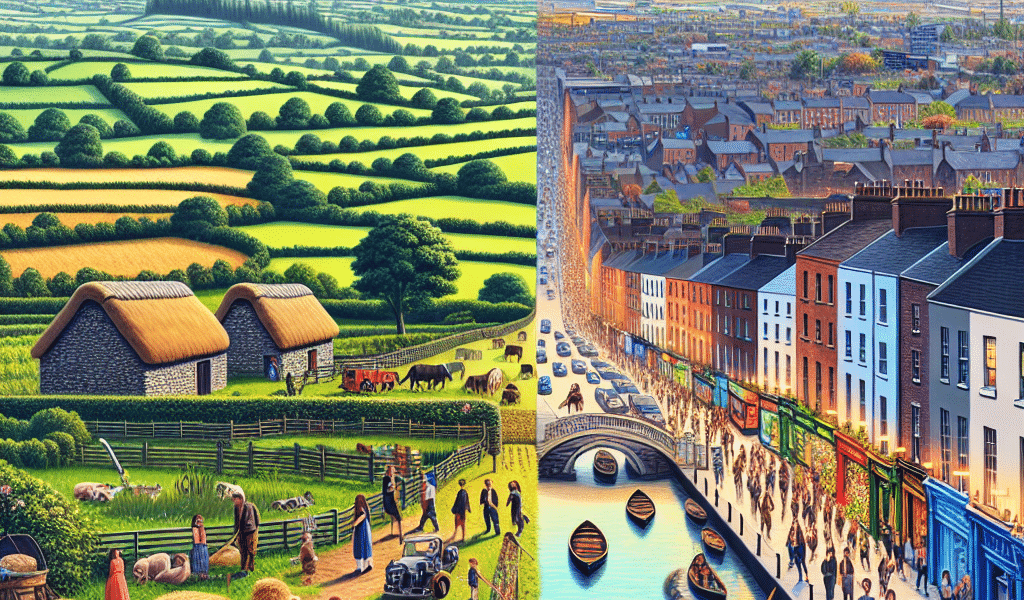
In an increasingly interconnected world, understanding diverse audiences is crucial for effective marketing and communication strategies. In Ireland, the distinction between rural and urban populations, particularly in Dublin, presents unique challenges and opportunities for businesses and organisations. Each audience has distinct cultural, social, and economic characteristics that shape their preferences and behaviors. This article explores best practices for targeting these two demographic segments, highlighting key strategies for engaging rural Irish audiences and those in Dublin city.
Understanding the Rural Irish Audience
Demographics and Psychographics
Rural Ireland’s demographics are characterized by smaller populations spread over a vast area. According to the 2021 Census, rural areas are home to about 37% of Ireland’s population. This audience often consists of older, close-knit communities where traditions run deep. Economically, many rural residents rely on agriculture, local manufacturing, and tourism, leading to specific preferences and consumption habits.
Psychographically, rural audiences tend to value authenticity, community, and tradition. Their social interactions are often grounded in local values, with an emphasis on face-to-face relationships. This results in a slower pace of life compared to the urbanized hustle and bustle of Dublin.
Cultural Nuances
Rural Ireland is culturally rich, steeped in traditions that are celebrated through local festivals, music, and storytelling. Marketing strategies must respect and integrate these cultural elements to resonate effectively. Campaigns that draw on local folklore, history, or community figures can create an emotional connection and generate interest.
Media Consumption
In contrast to urban audiences, rural populations may have limited access to media channels. While digital connectivity has improved, traditional media—such as local newspapers, radio, and community events—are still critical. This makes it essential for businesses to utilize a multi-channel approach, balancing digital and traditional outreach methods.
Marketing Strategies
-
Localized Content Creation: Craft campaigns that reflect local customs and values. Collaborate with local artists, historians, or influencers who can leverage their knowledge to create relevant, relatable content.
-
Community Engagement: Attend local events, sponsor community gatherings, or partner with local organisations. Building relationships fosters trust and boosts brand loyalty.
-
Educational Workshops: Host workshops or demonstrations showcasing your product or service. Hands-on experiences allow the audience to connect with your brand in a meaningful way.
-
Targeted Advertising: Utilize platforms that focus on regional advertising. Local newspapers, radio stations, and community bulletins can effectively reach rural audiences.
-
Utilize Direct Mail: Personalized mail campaigns can resonate deeply with rural audiences. A well-designed flyer or postcard can stand out and create a physical touchpoint.
-
Leverage Social Media: Facebook remains a dominant platform in rural areas. Implement targeted social media campaigns that focus on community events and interests.
- Be Authentic and Transparent: Be open about your brand values and mission. Rural audiences often appreciate companies that communicate honestly and share their contribution to local communities.
Understanding the Dublin City Audience
Demographics and Psychographics
Dublin, as the capital city of Ireland, is a bustling metropolitan area with a diverse population. It accounts for approximately 25% of the national population and is characterized by a younger demographic, filled with students, professionals, and expatriates. Dublin’s economy is vibrant, heavily influenced by technology, finance, and education sectors.
Dublin audiences tend to have different lifestyle preferences compared to their rural counterparts. They often seek convenience, innovation, and trendy experiences. Social interactions are varied, with exposure to global cultures and consumer trends, reflecting a faster-paced lifestyle.
Cultural Nuances
Dublin’s cultural scene is eclectic, blending traditional Irish elements with modern global influences. The city hosts numerous festivals, exhibitions, and artistic events, catering to a wide range of interests. Marketing strategies must mirror this diversity and can engage audiences through contemporary themes and modern lifestyles.
Media Consumption
Dublin audiences consume media differently than those in rural areas. Digital platforms are dominant, with many residents engaging in social media, blogs, podcasts, and streaming services. This demographic responds well to multimedia campaigns that are vibrant, interactive, and shareable.
Marketing Strategies
-
Digital Marketing Campaigns: Invest heavily in online advertising. Use targeted ads on platforms like Instagram, Facebook, and LinkedIn, focusing on metrics that appeal to the urban crowd.
-
Influencer Collaborations: Partner with local influencers who have a genuine connection to their audience. Their endorsement can create buzz and foster trust among city dwellers.
-
Experiential Marketing: Host events or pop-up experiences in high-traffic areas to engage potential customers physically. Unique, immersive experiences can make a lasting impression.
-
Content Marketing: Create engaging content that resonates with urban life—lifestyle blogs, video storytelling, or social media posts that highlight convenience, trends, and modernity.
-
Mobile Optimization: Ensure that your online platforms, including websites and ads, are mobile-friendly. Dublin’s busy audience frequently uses smartphones, and an optimal mobile experience increases engagement.
-
User-Generated Content: Encourage customers to share their experiences with your brand on social media. This not only builds community but also serves as authentic endorsements.
- Diversity and Inclusion: Craft messages that speak to the diverse makeup of Dublin’s population. Showcase inclusivity in your campaigns to resonate broadly with various demographic groups.
Bridging the Gap: Key Differences and Considerations
Purchasing Behavior
Rural audiences tend to be more price-sensitive and value-oriented, focusing on quality and local products. In contrast, Dublin consumers may lean toward brand loyalty, willing to spend more if the brand aligns with their values or lifestyle. Businesses should adapt their pricing strategies accordingly, ensuring they cater to the purchasing behaviors of each demographic.
Communication Preferences
While rural audiences may appreciate direct and personal communication, urban audiences often prefer concise and quick messages. Tailoring your communication style is essential—from longer narratives that resonate in rural settings to snappy, catchy advertisements suitable for fast-paced urban environments.
Customer Service Expectations
Expectations around customer service can differ significantly. Rural customers may prefer phone calls or in-person interactions, while Dublin’s audience expects prompt responses via email or social media. Offering a spectrum of support options enhances customer satisfaction across both demographics.
Climate and Sustainability
Both audiences are increasingly aware of climate change and sustainability, but the importance of these issues may manifest differently. Rural communities might prioritize local sourcing and environmental impacts on agriculture, while urban dwellers may focus on corporate sustainability practices and green innovations. Marketing efforts that address these concerns can resonate strongly in both segments.
Seasonal Variations
Seasonality plays an important role in both rural and urban marketing strategies. Rural communities may celebrate local harvesting seasons or holiday markets, while urban audiences might engage in city events or festivals. Tailoring marketing campaigns to reflect these seasonal variations ensures relevance and connects better with audiences in both areas.
Conclusion
—This is a continuation of the article with no concluding remarks.
Related Posts
 Expert market
segmentation data agency for targeted audience analysis globe boss
Expert market
segmentation data agency for targeted audience analysis globe boss What is a target audience and how do you find it
 What are the peak hours for social media engagement in Ireland?
 Why are digital marketing services more expensive in Dublin than in other Irish cities?
 Which Dublin universities offer the best Masters in Digital Marketing?
 Localized Content Marketing for Dublin Audiences
 Interactive Content 4 Formats That Boost Dublin Engagement
 How to use hyper-local targeting for Dublin events in 2026?