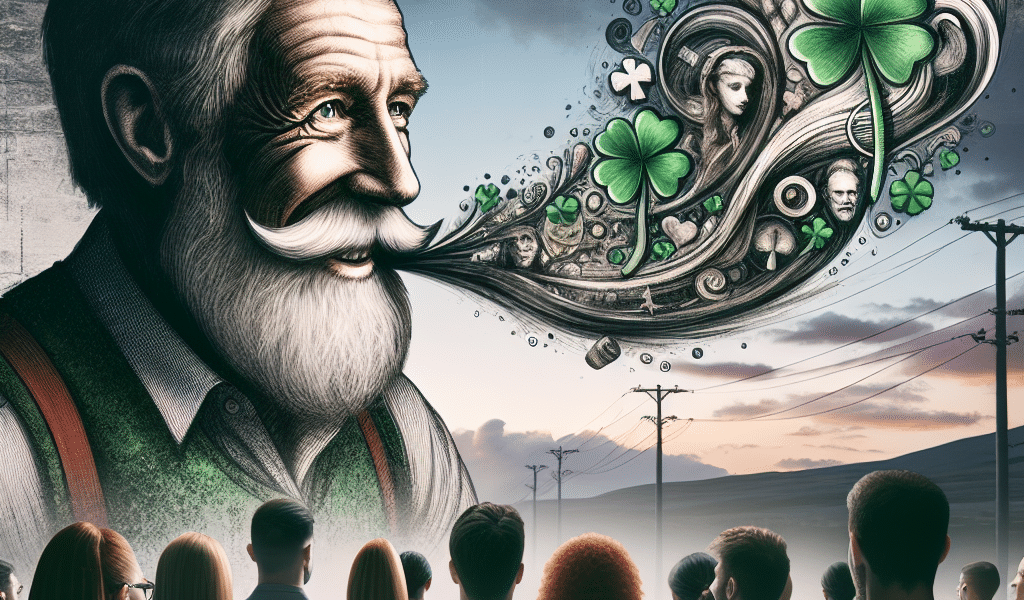
Storytelling has always been a cornerstone of human culture, a medium through which traditions, values, and identities are passed down through generations. In Ireland, a country rich in myth, folklore, and vibrant history, storytelling holds even greater significance. The Irish landscape is littered with the stories of ancient heroes, enchanting faeries, and the everyday struggles of its people. As the world edges closer toward globalization and mass production, the emphasis on authentic storytelling has become increasingly essential, particularly among Irish consumers. This cultural background sets the stage for a fertile market where narratives that resonate deeply with the collective identity can thrive.
The Irish Legacy of Storytelling
To understand why Irish consumers crave authenticity, it’s essential to delve into the deep-rooted tradition of storytelling in Ireland. For centuries, oral storytelling has served as a means of preserving history and culture. From the mythic tales of the Tuatha Dé Danann to the poignant stories of the 1916 Rising, Irish narratives have played a pivotal role in shaping the national psyche.
Even today, an astonishing array of storytellers and musicians continue to breathe life into Ireland’s cultural heritage. This oral tradition fosters a sense of community and belonging, allowing individuals to connect with their ancestry and with each other. In an increasingly digital age, many Irish consumers are seeking out brands that honor this legacy, craving interactions that are not just transactional but also deeply personal and meaningful.
The Shift Toward Authenticity
In recent years, there has been a notable shift in consumer behavior across the globe, particularly in developed markets like Ireland. Today’s consumers are more discerning, better informed, and increasingly skeptical of brands that rely heavily on polished marketing messages devoid of substance. This shift can be attributed to several factors:
1. Digital Transparency
With the advent of social media and the internet, consumers have unparalleled access to information. This transparency makes it easier for individuals to critique brands and hold them accountable. Irish consumers are particularly adept at identifying inauthenticity, and they are quick to rally against brands that fail to deliver on their promises or who appear to be inauthentic in their messaging.
2. The Desire for Connection
In an age where technology often creates more distance than closeness, consumers crave authentic connections. Particularly in Ireland, where community ties have traditionally run deep, brands that focus on human narratives tend to resonate more with consumers. This desire for connection extends beyond mere product features to encompass shared values, mutual respect, and collective experiences.
3. Cultural Revitalization
Ireland has undergone a cultural renaissance in recent years, marking a resurgence of interest in its rich history, language, and art. This revival has fostered a sense of national pride, which is reflected in consumer behavior. Products and services that evoke the essence of Irish culture—whether through heritage, craftsmanship, or storytelling—are increasingly sought after.
Crafting Authentic Narratives
But how do brands effectively craft authentic narratives that resonate with Irish consumers?
1. Root in Genuine Experiences
Authenticity stems from real experiences. Businesses can tap into this by sharing the stories of their founders, employees, and customers. Highlighting the human side of the brand creates relatable narratives that resonate with audiences. For instance, a local craft brewery might share the journey of its brewmaster, detailing the trials and triumphs of creating unique beer recipes. This not only showcases the product but also invites consumers into the story.
2. Embrace Vulnerability
Authentic storytelling often requires vulnerability. Brands that are willing to share their setbacks, doubts, and challenges can foster deeper trust among consumers. This is especially true in a market like Ireland, where humility is valued. A clothing brand could introduce a series of blog posts discussing the ethical dilemmas it faced while sourcing materials. By sharing both their successes and struggles, the brand can create an emotional connection with consumers.
3. Highlight Local Heritage
Irish consumers have a strong attachment to their local communities and heritage. Incorporating regional elements into storytelling can create a significant impact. Whether through using local dialects in marketing materials or showcasing local artisans, emphasizing local flavor can evoke pride and connection. Think of a skincare line that sources ingredients from Irish botanicals while sharing folklore about their healing properties; this beautifully merges authenticity with culture.
4. Utilizing Multimedia
In today’s digital realm, stories can be told through various mediums—video, social media, blogs, and podcasts. Effective storytelling can, and should, adapt to these formats. A tourism brand could utilize Instagram Stories to showcase real-life experiences shared by travelers, capturing not just the beauty of Ireland but the shared joy and discovery of its landscapes and culture.
The Role of Social Proof
Social proof—factoring in how other customers view or interact with a brand—also plays a pivotal role in establishing authenticity. Users are more likely to engage with brands that have testimonials, reviews, or user-generated content reflecting genuine experiences.
1. Leverage Reviews and Testimonials
Consumers trust their peers. Highlighting customer reviews and testimonials can serve as compelling narratives. Whether it’s a small café or a large corporation, they can showcase how they positively impacted their consumers’ lives. This not only boosts credibility but also encourages prospective customers to feel part of a community.
2. Community Building
Brand loyalty often stems from holistic community experiences. Brands that promote customer engagement, whether through events or online forums, can cultivate a nurturing environment. Consider a local bookshop hosting storytelling sessions; these gatherings can foster a sense of community while also promoting their products.
The Emotional Connection
At the heart of all effective storytelling is emotion. Consumers are drawn to narratives that evoke feelings of joy, nostalgia, or empathy. Emotional stories create lasting impressions and enhance brand loyalty.
1. Evoke Irish Themes
Irish folklore, values, and traditions present an incredible opportunity for brands to connect emotionally with consumers. Themes such as resilience, loyalty, and community spirit resonate deeply within the Irish identity. A coffee brand might pair its product launch with a campaign celebrating the resilience of local farmers, telling stories of their dedication and struggles.
2. Create Memorable Campaigns
From humorous anecdotes to poignant tales, memorable storytelling campaigns can keep a brand fresh in the minds of consumers. Brands that utilize humor, particularly within the context of Irish wit and storytelling traditions, can create viral content that captures attention and emphasizes authenticity. A campaign featuring animated shorts that highlight local legends can engage audiences and connect them to the brand in an entertaining way.
Conclusion
The power of storytelling is immense, particularly in a culturally rich nation like Ireland, where authenticity is not just preferred—it’s demanded. Brands that weave narratives reflecting genuine experiences, community values, and emotional connections are likely to thrive in this environment. Authentic storytelling creates a tapestry of shared experiences, connecting consumers with not just products but the very essence of who they are. As Irish consumers continue to seek authenticity, brands that embrace this challenge stand to cultivate lasting relationships, driving loyalty in a crowded marketplace.