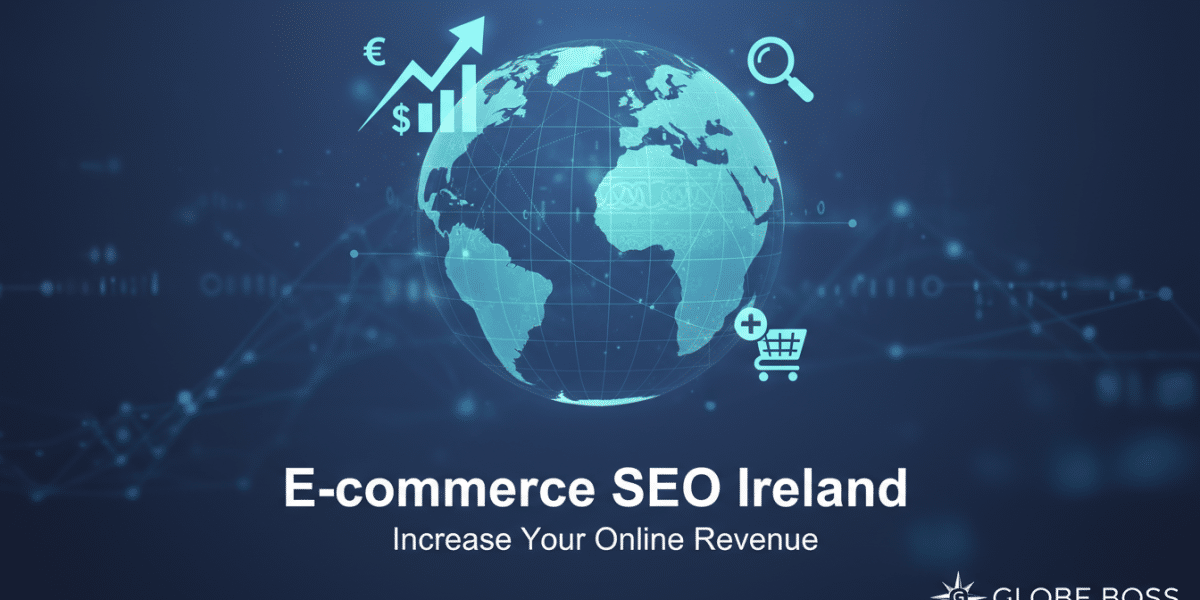
E-commerce SEO Ireland: Increase Your Online Revenue – Globe Boss
In the competitive landscape of Irish e-commerce, simply having a website is no longer enough. To truly thrive and capture your share of the market, you need to be visible where your potential customers are looking: on search engines like Google. This is where E-commerce SEO (Search Engine Optimization) comes into play. As Globe Boss, we understand the nuances of the Irish market and can guide you through the essential strategies to boost your online presence, drive organic traffic, and ultimately, increase your online revenue. This comprehensive guide will delve into the key aspects of E-commerce SEO in Ireland, providing actionable insights and practical advice you can implement today.
Understanding the Irish E-commerce Landscape
Before diving into specific SEO tactics, it’s crucial to understand the unique characteristics of the Irish e-commerce market. While Ireland is increasingly digitally savvy, with high rates of internet penetration and smartphone usage, certain factors influence online purchasing behavior:
- Localized Search: Irish consumers often use location-specific keywords when searching for products and services. Think "Buy couches Dublin" or "Best coffee beans Galway." Targeting these local searches is vital for Irish e-commerce businesses.
- Mobile-First Approach: Mobile commerce is booming in Ireland. Ensuring your website is fully responsive and provides a seamless mobile shopping experience is non-negotiable.
- Trust and Authority: Irish consumers value trust and reliability. Building a strong brand reputation, showcasing customer reviews, and displaying security badges can significantly impact conversion rates.
- Cultural Nuances: While English is widely spoken, understanding Irish culture and language nuances can help you tailor your content and marketing messages for better engagement.
- Competition with UK and International Players: Irish e-commerce businesses often compete with larger UK and international companies. Effective SEO strategies are crucial to stand out from the crowd.
Keyword Research: The Foundation of E-commerce SEO
Keyword research forms the bedrock of any successful SEO strategy. It involves identifying the terms and phrases your target audience uses when searching for the products you sell. Think like your customer and consider:
- Product Keywords: These are the most obvious keywords related to your products, such as "running shoes," "organic tea," or "handmade jewelry."
- Category Keywords: Focus on the broader categories your products fall under, like "sports footwear," "herbal teas," or "fashion accessories."
- Long-Tail Keywords: These are longer, more specific phrases that target a narrower audience but often have higher conversion rates. Examples include "best running shoes for flat feet," "organic chamomile tea for sleep," or "silver handmade jewelry for women."
- Location-Based Keywords: Incorporate location-specific terms to target local customers. "Buy running shoes Dublin" or "Organic tea shop Galway."
- Informational Keywords: These keywords address user queries and provide helpful information related to your products. Examples include "benefits of chamomile tea" or "how to choose running shoes."
Tools for Keyword Research:
- Google Keyword Planner: A free tool from Google that provides keyword suggestions, search volume data, and competition analysis.
- SEMrush: A comprehensive SEO tool that offers keyword research, competitor analysis, and website auditing features.
- Ahrefs: Another popular SEO tool with robust keyword research and backlink analysis capabilities.
- Moz Keyword Explorer: A user-friendly tool that helps you discover relevant keywords and assess their difficulty and opportunity.
- Google Trends: A free tool that allows you to track the popularity of different keywords over time and identify trending searches.
On-Page Optimization: Making Your Website Search Engine Friendly
Once you have identified your target keywords, you need to optimise your website to make it search engine friendly. This involves optimising various elements of your website, including:
- Title Tags: These are the HTML tags that appear in search engine results pages (SERPs) and browser tabs. They should be concise, keyword-rich, and accurately reflect the content of the page.
- Meta Descriptions: These are short summaries of your page content that appear below the title tag in SERPs. They should be compelling and encourage users to click on your link.
- Header Tags (H1-H6): Use header tags to structure your content and highlight important headings and subheadings. Use H1 tag only once per page, and incorporate relevant keywords naturally.
- URL Structures: Create clear and descriptive URLs that include your target keywords. Avoid using overly long or complex URLs.
- Image Optimization: Optimize your images by using descriptive file names and alt text. This helps search engines understand the content of your images and improves your website’s accessibility.
- Content Optimization: Create high-quality, informative, and engaging content that is relevant to your target audience and incorporates your target keywords naturally. Focus on providing value to your readers and answering their questions.
- Internal Linking: Link to other relevant pages on your website to improve navigation and help search engines understand your website’s structure.
- Mobile-Friendliness: Ensure your website is fully responsive and provides a seamless mobile shopping experience. Google prioritizes mobile-friendly websites in its search rankings.
- Website Speed: Optimize your website’s speed by compressing images, minimizing code, and using a content delivery network (CDN). Fast-loading websites provide a better user experience and are favored by search engines.
Off-Page Optimization: Building Authority and Trust
Off-page optimisation refers to activities you undertake outside of your website to improve your search engine rankings. This primarily involves building backlinks from other reputable websites.
- Link Building: Acquiring backlinks from high-quality, relevant websites is crucial for improving your website’s authority and ranking in search results. Focus on earning backlinks naturally through creating valuable content and building relationships with other website owners and influencers.
- Directory Submissions: Submit your website to relevant online directories to increase its visibility and build backlinks.
- Social Media Marketing: Promote your website and content on social media platforms to increase brand awareness and drive traffic to your website.
- Influencer Marketing: Partner with influencers in your industry to promote your products and services to their followers.
- Public Relations: Earn media coverage for your business by issuing press releases and pitching stories to journalists.
- Guest Blogging: Write guest posts for other websites in your industry to reach a wider audience and build backlinks.
- Local Citations: Claim and optimise your business listings on local directories such as Google My Business, Yelp, and Bing Places for Business. This helps improve your local search rankings and makes it easier for customers to find you online.
Technical SEO: Ensuring Your Website is Crawlable and Indexable
Technical SEO focuses on the technical aspects of your website that affect its crawlability, indexability, and overall performance. This includes:
- XML Sitemap: Create an XML sitemap and submit it to Google Search Console to help search engines crawl and index your website more efficiently.
- Robots.txt File: Use a robots.txt file to control which pages search engines can crawl and index.
- Canonical Tags: Use canonical tags to specify the preferred version of a page when multiple versions exist. This helps prevent duplicate content issues.
- Structured Data Markup: Implement structured data markup (schema) to provide search engines with more information about your website’s content. This can help improve your search engine rankings and increase your click-through rates.
- HTTPS Encryption: Ensure your website is secured with HTTPS encryption to protect your customers’ data and improve your search engine rankings.
- Website Architecture: Design a clear and logical website architecture to make it easy for users and search engines to navigate your website.
- 404 Error Pages: Create custom 404 error pages to provide a better user experience for visitors who land on broken links.
- Mobile-First Indexing: Google primarily uses the mobile version of your website for indexing and ranking. Ensure your website is fully optimised for mobile devices.
Content Marketing: Engaging Your Audience and Driving Traffic
Content marketing involves creating and distributing valuable, relevant, and consistent content to attract and engage your target audience. This can include:
- Blog Posts: Write informative and engaging blog posts that address your target audience’s needs and interests.
- Product Descriptions: Write compelling and informative product descriptions that highlight the benefits of your products.
- Videos: Create videos that showcase your products, explain complex topics, or provide tutorials.
- Infographics: Create visually appealing infographics that present data and information in an easily digestible format.
- Ebooks: Create comprehensive ebooks that provide in-depth information on a specific topic.
- Case Studies: Share case studies that demonstrate how your products or services have helped other customers.
- User-Generated Content: Encourage your customers to create and share content related to your products or services.
Local SEO: Targeting Customers in Ireland
Local SEO is crucial for e-commerce businesses that target customers in specific locations in Ireland. This involves optimising your website and online presence to rank higher in local search results.
- Google My Business: Claim and optimise your Google My Business listing to improve your visibility in local search results.
- Local Citations: List your business on local directories and review sites to increase its visibility and build trust with local customers.
- Local Keywords: Incorporate local keywords into your website content and meta descriptions.
- Location Pages: Create location pages for each of your physical locations (if applicable).
- Online Reviews: Encourage your customers to leave online reviews on Google My Business and other review sites.
- Local Link Building: Build backlinks from other local businesses and organisations.
Measuring and Analyzing Your Results
It’s essential to track your SEO performance and analyse your results to identify what’s working and what’s not. Key metrics to track include:
- Organic Traffic: The number of visitors who come to your website from organic search results.
- Keyword Rankings: The position of your website in search results for your target keywords.
- Conversion Rate: The percentage of visitors who complete a desired action, such as making a purchase.
- Bounce Rate: The percentage of visitors who leave your website after viewing only one page.
- Time on Page: The average amount of time visitors spend on your website.
- Backlinks: The number and quality of backlinks pointing to your website.
Tools for Measuring and Analyzing Results:
- Google Analytics: A free tool that provides detailed website traffic data.
- Google Search Console: A free tool that provides insights into your website’s performance in Google search results.
- SEMrush: A comprehensive SEO tool that offers website auditing and performance tracking features.
- Ahrefs: Another popular SEO tool with robust website analysis capabilities.
- Moz Pro: A user-friendly SEO tool that helps you track your keyword rankings and website performance.
By implementing these E-commerce SEO strategies, Globe Boss can help your Irish e-commerce business increase its online visibility, drive organic traffic, and ultimately, boost your online revenue. Remember that SEO is an ongoing process that requires consistent effort and adaptation to changing search engine algorithms. Stay informed about the latest SEO trends and best practices, and continually optimise your website and content to stay ahead of the competition.
Related Posts
 E-commerce SEO Ireland Your 2025 Strategy for Online Sales
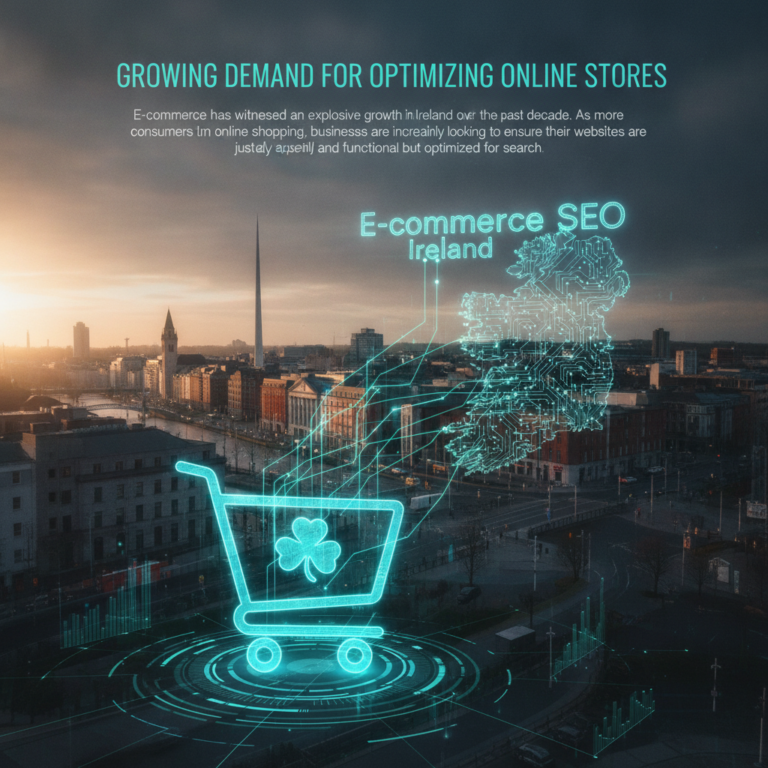 E-commerce SEO Ireland: Growing demand for optimising online stores
 Shopify vs WooCommerce SEO for Irish Online Stores
 How to Use Google Shopping Ads to Grow an Irish E-Commerce Brand
 The Best Link Building Strategies for Irish Online Shops
 How to Reduce Cart Abandonment on Your Irish E-Commerce Site
 Online Marketing – Globe Boss SEO Ireland
 Online Marketing Services – Globe Boss SEO Ireland