How to Build a Social Media Strategy That Actually Works: Beyond the Hype
In today’s hyper-connected world, everyone seems to be on social media. From global brands to local bakeries, solopreneurs to multi-national corporations, the siren song of likes, shares, and followers is almost irresistible. But if you’ve ever found yourself posting content haphazardly, watching engagement flatline, or feeling overwhelmed by the sheer volume of platforms and trends, you’re not alone. Many individuals and businesses fall into the trap of “doing social media” without a clear purpose, leading to wasted time, resources, and a whole lot of frustration.
The good news? It doesn’t have to be this way. The secret to cutting through the noise and achieving tangible results lies in one fundamental principle: strategy. This isn’t about chasing viral trends or posting relentlessly on every platform. It’s about a thoughtful, deliberate approach that aligns your social media efforts with your broader objectives.
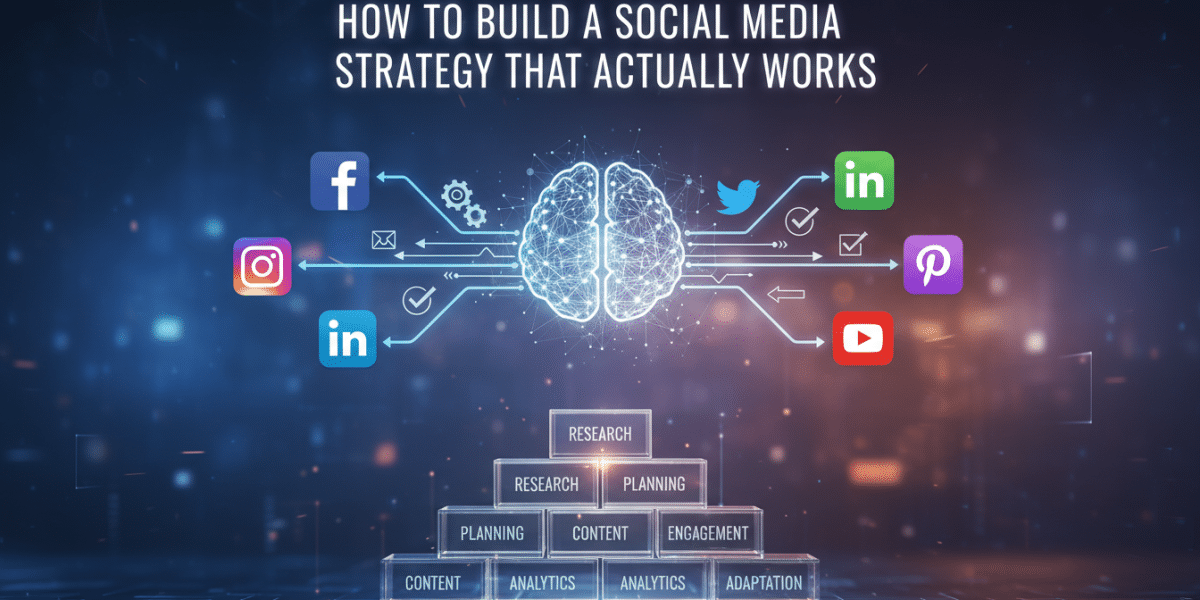
In this comprehensive guide, we’ll walk you through how to build a social media strategy that actually works – a roadmap that’s clear, actionable, and designed for real, measurable impact. We’re going to move beyond vanity metrics and explore the foundational steps to transform your social media presence from a chore into a powerful engine for growth and connection.
Understanding Your Foundation: Why Are You Here?
Before you even think about what to post or which platform to use, you need to understand your “why.” Social media isn’t an end in itself; it’s a tool to achieve specific business or personal goals. Without clearly defined objectives, your strategy will lack direction, and you’ll never truly know if your efforts are paying off.
Define Your Goals: What Do You Want to Achieve?
This is the cornerstone of any effective social media strategy. Your goals should be SMART:
- Specific: Clearly defined, not vague.
- Measurable: Quantifiable, so you can track progress.
- Achievable: Realistic and attainable within your resources.
- Relevant: Aligned with your overall business or personal objectives.
- Time-bound: Have a deadline for completion.
Examples of SMART Social Media Goals:
- Increase brand awareness by reaching 500,000 unique users on Instagram stories within the next quarter.
- Generate 20 qualified leads per month from LinkedIn by driving traffic to a specific landing page.
- Improve customer service response time on Twitter by 25% within three months.
- Drive 1,000 website visits from Facebook per month to new product pages.
- Grow email list subscriptions by 15% through Instagram bio link clicks in the next six months.
Start with 1-3 primary goals. Trying to achieve everything at once will dilute your focus and resources. Once you hit those, you can always expand.
Audit Your Current Landscape: Where Are You Now?
Take an honest look at your current social media presence, if any.
- What’s working? What content receives the most engagement? What platforms bring the most value?
- What’s not working? Are there platforms where you get zero traction? Are certain content types consistently ignored?
- Who are your competitors? What are they doing well on social media? What opportunities are they missing? Analyzing competitors can spark ideas and help you differentiate your approach.
- What resources do you have? Realistically assess your time, budget, and content creation capabilities.
This audit provides a baseline and helps you identify strengths to leverage and weaknesses to improve or abandon.
Knowing Your Audience: Who Are You Talking To?
Imagine trying to have a conversation without knowing who you’re speaking to. You’d likely miss the mark, use the wrong tone, and fail to connect. The same goes for social media. Understanding your audience is non-negotiable for a social media strategy that actually works.
Create Detailed Buyer Personas
A buyer persona is a semi-fictional representation of your ideal customer, based on market research and real data about your existing customers. Go beyond basic demographics.
What to include in your personas:
- Demographics: Age, gender, location, income, job title, education level.
- Psychographics: Interests, hobbies, values, beliefs, lifestyle, personality traits.
- Pain Points: What challenges do they face? What problems can your product/service solve?
- Goals & Aspirations: What are they trying to achieve? What motivates them?
- Online Behavior: Which social media platforms do they use? When are they most active? What types of content do they consume?
- Communication Preferences: Do they prefer video, text, images, or live interaction?
Give your persona a name (e.g., “Marketing Mary,” “Startup Sam”) and a backstory. This makes them feel real and helps you tailor your content and messaging more effectively.
Understand Their Needs and Desires
Once you have your personas, ask yourself:
- What kind of information are they seeking on social media?
- What entertains them? What inspires them?
- How can you provide value that genuinely helps them or brightens their day?
For example, if you sell productivity software, your audience might be looking for tips to manage their time better, stories of successful entrepreneurs, or humorous takes on office life. Your content should speak directly to these needs and desires.
Choosing Your Battlegrounds: Where Will You Play?
With your goals set and your audience understood, it’s time to select the platforms that will best serve your strategy. This isn’t about being everywhere; it’s about being effective where your target audience spends their time and where your content can thrive.
Platform Selection Based on Audience and Goals
Each social media platform has its own unique culture, audience demographics, and best practices.
- LinkedIn: Primarily professional networking, B2B lead generation, thought leadership.
- Facebook: Broad demographic, community building, local business promotion, event marketing.
- Instagram: Visually driven, strong for lifestyle brands, e-commerce, influencers, younger demographics.
- TikTok: Short-form video, highly trend-driven, huge for Gen Z and Millennials, brand personality.
- X (formerly Twitter): Real-time news, conversations, customer service, quick updates, thought leadership.
- Pinterest: Visual discovery engine, inspiration, e-commerce, DIY, fashion, home decor.
- YouTube: Long-form video, tutorials, entertainment, brand storytelling, education.
Practical Example: If your target audience is B2B decision-makers in their 40s and your goal is lead generation, LinkedIn will likely be a much more effective platform than TikTok. Conversely, if you’re a fashion brand targeting Gen Z, Instagram and TikTok should be your primary focus.
Focus on Quality Over Quantity
Don’t spread yourself thin. It’s far better to excel on 1-2 platforms where your audience is most active than to maintain a mediocre presence across five or six. Concentrating your efforts allows you to produce higher-quality content and engage more authentically. Once you’ve mastered a platform, you can consider expanding.
Crafting Your Message: What Will You Say?
Now that you know who you’re talking to and where you’re talking, the next step is to define what you’ll say and how you’ll say it. This is where your brand personality comes to life.
Develop Your Brand Voice and Tone
Your brand voice is the consistent personality and emotion you convey in all your communications. Your tone is the mood or attitude you adopt for specific situations (e.g., serious for an announcement, lighthearted for a funny post).
- Is your brand authoritative or friendly?
- Humorous or serious?
- Inspirational or practical?
- Informative or entertaining?
Practical Example: Wendy’s on X (Twitter) is known for its witty, sometimes sassy, and humorous voice. IBM, on the other hand, maintains a more professional, informative, and authoritative tone across its social channels. Both are effective because they are consistent and align with their brand identity and target audience. Document your voice and tone guidelines so everyone on your team can maintain consistency.
Identify Your Content Pillars
Content pillars are the main themes or topics that you will consistently create content around. They should align with your audience’s interests, your brand’s expertise, and your social media goals. This helps keep your content diverse yet focused.
Examples of Content Pillars:
- Educational/Informative: How-to guides, tutorials, industry insights, tips, FAQs. (e.g., a financial advisor sharing investment tips).
- Inspirational/Motivational: Quotes, success stories, behind-the-scenes glimpses, personal anecdotes. (e.g., a fitness coach sharing client transformations).
- Community Building/Engagement: Questions, polls, user-generated content features, interactive challenges. (e.g., a local bakery asking for new flavor suggestions).
- Promotional/Product-focused: Product launches, special offers, feature spotlights, testimonials. (e.g., an e-commerce store showcasing new arrivals).
- Entertaining: Memes, relatable humor, lighthearted videos, pop culture references. (e.g., a pet store sharing funny animal antics).
A good rule of thumb is the 80/20 rule: 80% of your content should provide value, entertain, or educate, while 20% can be promotional. This keeps your audience engaged without feeling constantly sold to.
Diverse Content Formats
Don’t limit yourself to just text and static images. Social media thrives on variety.
- Images & Infographics: Visually appealing, easy to consume.
- Videos: Short-form (Reels, TikToks), long-form (YouTube), live streams. Highly engaging.
- Stories: Ephemeral, authentic, behind-the-scenes content.
- Carousels: Great for step-by-step guides, lists, or before-and-after comparisons.
- Polls & Quizzes: Boost engagement and gather audience insights.
- Blog Posts/Articles: Share links to your longer-form content for deeper dives.
Experiment with different formats to see what resonates most with your audience on each platform.
Executing with Precision: How Will You Do It?
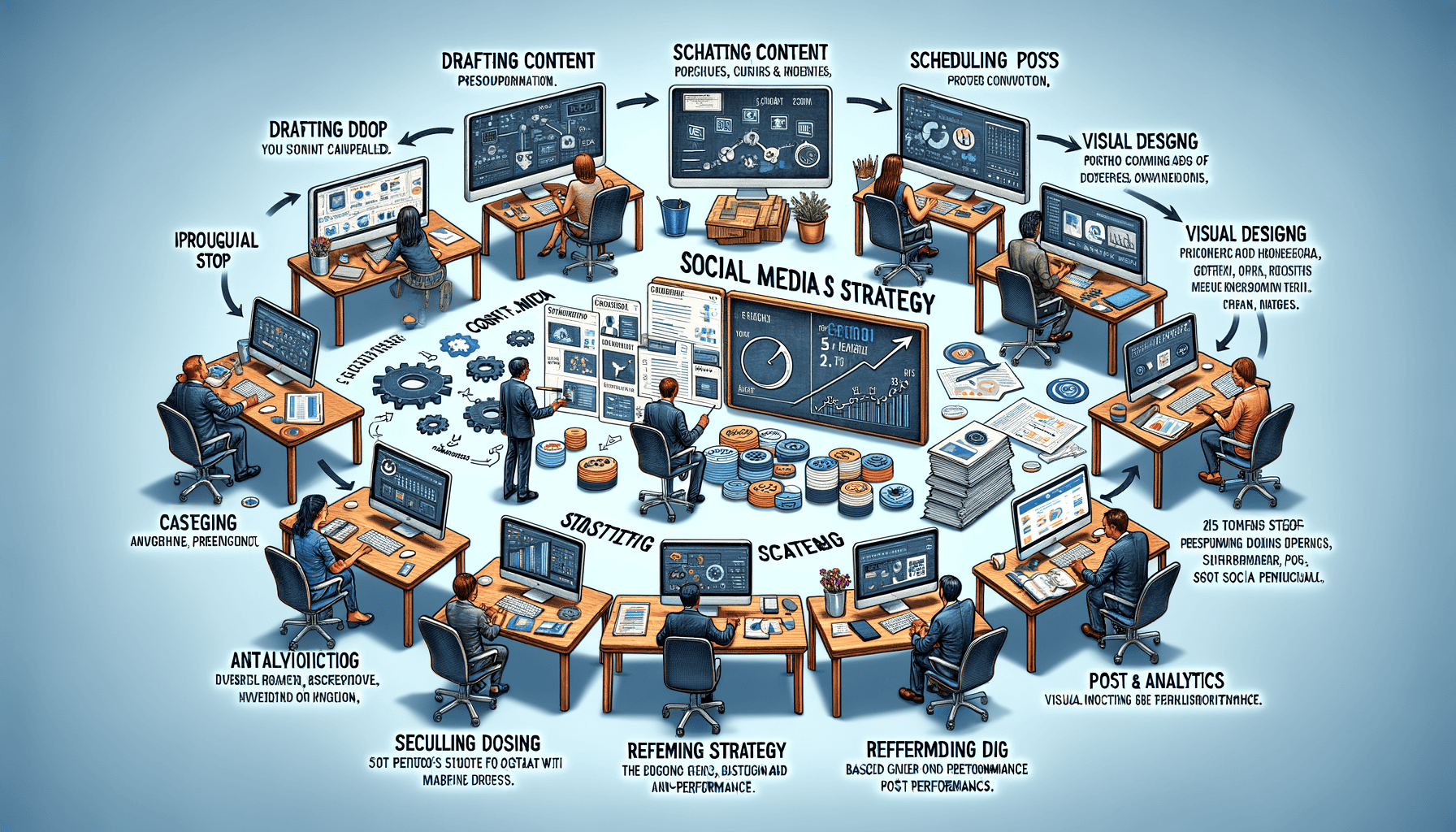
A brilliant strategy is useless without effective execution. This involves planning, consistency, and a commitment to genuine interaction.
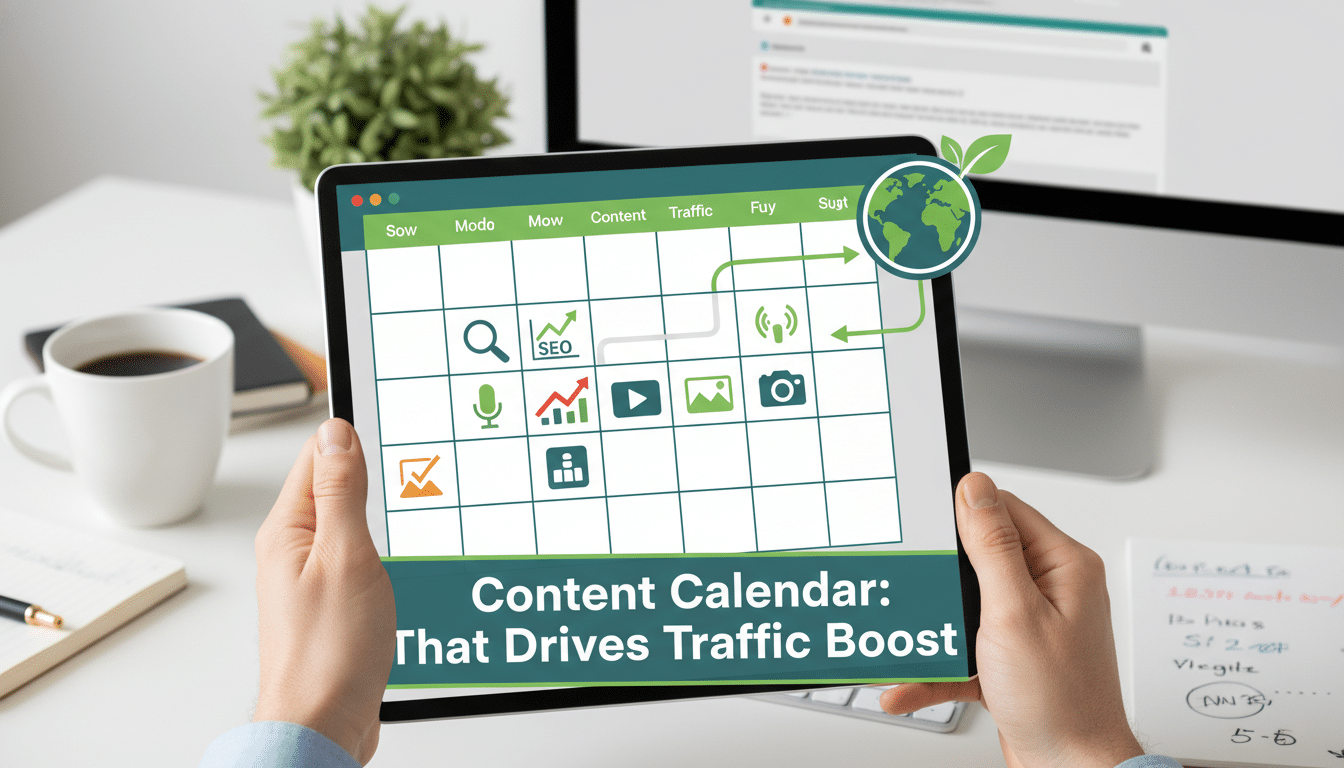
Build a Content Calendar
A social media content calendar is your roadmap for content creation and publishing. It helps you stay organized, maintain consistency, and plan for important dates, holidays, and campaigns.
What to include:
- Date & Time of Post: When will it go live?
- Platform: Which channel(s)?
- Content Type: Image, video, carousel, story, link, etc.
- Topic/Pillar: Which content pillar does it align with?
- Caption/Text: The accompanying copy.
- Visuals: Links to or drafts of the images/videos.
- Call to Action (CTA): What do you want people to do? (e.g., “Link in bio,” “Comment below,” “Visit our website”).
- Relevant Hashtags: For discoverability.
Tip: Plan content in batches. Dedicate a specific time each week or month to brainstorm ideas, create visuals, write captions, and schedule posts. Tools like Buffer, Hootsuite, Sprout Social, or even a simple spreadsheet can be invaluable here.
Prioritize Engagement, Not Just Broadcasting
Social media is inherently social. Many brands make the mistake of using it as a one-way broadcast channel. A strategy that actually works emphasizes genuine interaction.
- Respond Promptly: Reply to comments, direct messages, and mentions. Acknowledge positive feedback and address negative concerns professionally.
- Ask Questions: Encourage discussion. “What’s your biggest challenge with X?” “Which option do you prefer?”
- Run Polls & Quizzes: Simple ways to gather opinions and boost interaction.
- Go Live: Host Q&A sessions, interviews, or behind-the-scenes tours. This builds authenticity and a direct connection.
- Engage with Others: Don’t just wait for people to come to you. Follow relevant accounts, comment on their posts, share valuable content from others (with credit). Be part of the conversation!
Leverage Tools and Automation (Wisely)
Automation can save time, but it should never replace authenticity.
- Scheduling Tools: Use platforms like Buffer, Hootsuite, Later, or Meta Business Suite to schedule posts in advance.
- Analytics Tools: Native platform insights (e.g., Instagram Insights, Facebook Analytics) are powerful. Third-party tools can offer more comprehensive data.
- Content Creation Tools: Canva for graphics, CapCut for video editing, etc.
Remember, automation should free you up to focus on the human elements: strategy, content quality, and genuine engagement. Don’t automate responses or interactions that should be personal.
Measuring Success & Adapting: Are You Getting There?
The final, and continuous, piece of building a social media strategy that actually works is knowing how to measure its effectiveness and being willing to adapt. Social media is a dynamic landscape; what works today might not work tomorrow.
Track Key Performance Indicators (KPIs)
Your KPIs should directly align with the SMART goals you set at the very beginning. Don’t get caught up in vanity metrics (like follower count alone) if they don’t contribute to your core objectives.
Examples of KPIs:
- If your goal is Brand Awareness: Track Reach (how many unique users saw your content), Impressions (total times your content was displayed), Follower Growth Rate.
- If your goal is Engagement: Track Engagement Rate (likes, comments, shares, saves relative to reach/followers), Mentions, Shares.
- If your goal is Website Traffic/Leads: Track Click-Through Rate (CTR) to your website, Lead Conversions from social media.
- If your goal is Sales/Revenue: Track Conversion Rate directly from social media, Revenue attributed to social campaigns.
- If your goal is Customer Service: Track Response Time, Resolution Rate, Sentiment Analysis.
Analyze and Learn from Your Data
Regularly review your KPIs (weekly, monthly, quarterly). Look for patterns:
- Which content types perform best?
- What days and times get the most engagement?
- Which platforms are delivering the most value relative to your effort?
- Are there any recurring themes in comments or feedback?
- What content consistently falls flat?
Don’t just collect data; interpret it. If your goal is website traffic but your CTR is low, maybe your calls to action aren’t clear, or your links aren’t prominent enough. If a certain type of video consistently gets high engagement, create more of it.
Be Agile: Iterate and Optimize
Your social media strategy is not a static document. It’s a living, breathing guide that should evolve with your audience, your business, and the platforms themselves.
- Test New Ideas: A/B test different headlines, visuals, calls to action, and posting times.
- Stay Updated: Social media platforms frequently roll out new features. Learn them, and see if they fit your strategy.
- Adjust as Needed: If a specific pillar isn’t resonating, swap it out. If a platform isn’t delivering results despite consistent effort, reconsider its role in your strategy or allocate resources elsewhere.
- Solicit Feedback: Ask your audience what they want to see more of.
This iterative process of analysis, learning, and adaptation is what truly differentiates a successful social media strategy from one that just exists.
Conclusion: Your Roadmap to Social Media Success
Building a social media presence that actually works isn’t about luck or blindly following trends; it’s about intentionality. It starts with understanding your “why” – defining clear, measurable goals. It deepens by truly knowing “who” you’re speaking to – crafting detailed audience personas. It becomes focused by selecting the right “where” – choosing platforms strategically. It comes to life by defining “what” you’ll say and “how” – developing a consistent brand voice and content pillars. And finally, it thrives through meticulous execution and continuous measurement and adaptation.
By embracing this structured, human-centric approach, you’ll transform your social media efforts from a daunting obligation into a powerful, engaging, and genuinely effective channel for connection and growth. So, take a deep breath, roll up your sleeves, and start building your social media strategy that actually works today. The real results are waiting for you.