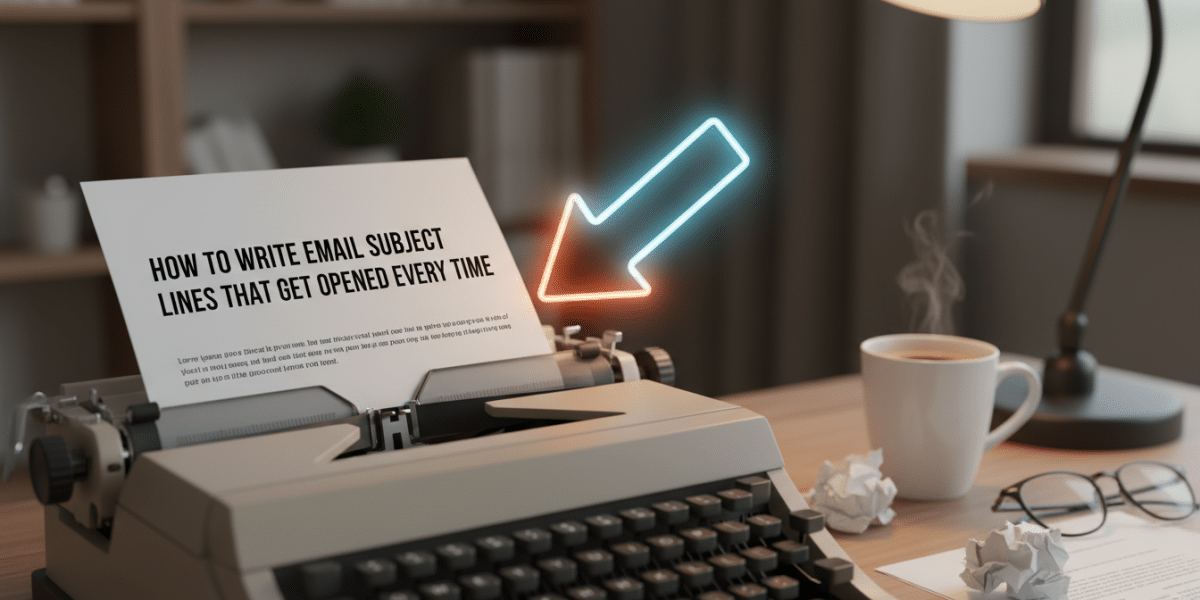
Unlock Your Inbox: How to Write Email Subject Lines That Get Opened Every Time
In today’s digital deluge, your inbox is a battlefield. Every day, thousands of emails vie for attention, and most end up in the digital graveyard of the trash folder, unopened and unread. It’s a frustrating reality for anyone trying to communicate effectively, whether you’re a marketer, a job seeker, an entrepreneur, or just trying to get a response from a busy colleague. But what if there was a way to consistently cut through the noise? What if you could learn how to write email subject lines that get opened every time?
While no subject line can boast a 100% open rate (the internet isn’t magic, after all!), there are proven strategies and psychological triggers that dramatically increase your chances. This isn’t about trickery or clickbait; it’s about crafting a compelling promise, delivering value, and building trust right from the first glance. In this comprehensive guide, we’ll dive deep into the art and science of subject line mastery, equipping you with the tools to capture attention and ensure your message lands where it belongs: in front of your reader’s eyes.
Why Your Subject Line is the Gatekeeper to Your Message
Think of your email subject line as the bouncer at an exclusive club. It’s the first, and often only, line of defense against being ignored. In a matter of milliseconds, a reader decides based solely on those few words whether your email is worth their time. Is it relevant? Is it urgent? Is it interesting? Does it promise something valuable?
A poorly crafted subject line is a missed opportunity. It condemns your carefully written content, your brilliant ideas, and your important announcements to obscurity. Conversely, a stellar subject line doesn’t just get your email opened; it sets the stage for the rest of your message, priming the reader for what’s inside. It’s the first impression, the elevator pitch, and the make-or-break moment that dictates whether your effort even gets a chance to shine. Mastering this small but mighty element is the single most impactful step you can take to improve your email communication and ensure your messages are seen.
The Core Principles of Unstoppable Subject Lines
So, what makes a subject line truly irresistible? It boils down to understanding human psychology and catering to the reader’s needs and desires. These core principles are the foundation for learning how to write email subject lines that get opened every time.
Clarity is King, Always
Above all else, your subject line should be clear. Readers are busy, and they appreciate knowing what an email is about immediately. While curiosity has its place (which we’ll discuss), deliberate vagueness can be frustrating. Be direct, concise, and ensure your reader can grasp the email’s purpose or primary benefit at a glance.
- Weak Example: “Quick note” or “Following up”
- Better Example: “Your Q3 Performance Report is Ready” or “Following Up: Your Request for a Demo”
- Marketing Example: “May Newsletter”
- Better Marketing Example: “May 2024: Top 5 AI Tools Changing Marketing”
Create Urgency (But Don’t Overdo It)
A gentle nudge of urgency can be a powerful motivator. When there’s a deadline or a limited opportunity, people are more likely to act. However, this must be used genuinely and sparingly. False urgency or constantly crying wolf will erode trust and lead to lower open rates over time.
- Example: “Flash Sale Ends Tonight! Save 30% on All Products”
- Example: “Limited Spots Remaining: Register for Our Webinar on [Topic]”
- Example: “Your Account Suspension: Action Required Within 24 Hours”
Spark Curiosity (The Good Kind)
There’s a fine line between sparking curiosity and being vague. Good curiosity hints at something valuable or interesting without giving everything away. It poses a question or promises a revelation that makes the reader want to know more. This is an excellent technique for learning how to write email subject lines that get opened every time, especially for content-driven emails.
- Example: “Did You Know This About Your [Industry]?”
- Example: “The #1 Mistake Most Businesses Make with [Strategy]”
- Example: “What If You Could Double Your Productivity in 30 Days?”
Personalization is Power
Nothing says “this email is for you” quite like personalization. Using the recipient’s name is the most common form, but it goes beyond that. Tailoring the subject line based on their past actions, location, or stated preferences makes the email feel relevant and important.
- Example: “John, Your Order #1234 Has Shipped!”
- Example: “Exclusive Offer for Our [City] Customers”
- Example: “Since You Loved [Product A], You Might Like [Product B]”
- Example: “A Special Invitation Just for Our Loyal Subscribers”
Highlight the Benefit, Not Just the Feature
People don’t buy products or services; they buy solutions to their problems or ways to improve their lives. Your subject line should focus on the what’s in it for them. What problem does your email solve? What value does it deliver?
- Weak Example: “New CRM Software Available”
- Better Example: “Save 10 Hours a Week with Our New CRM Software”
- Weak Example: “Company Update”
- Better Example: “Boost Your Team’s Efficiency: Important Company Update Inside”
Practical Techniques to Master Your Subject Lines
With the core principles in mind, let’s explore some actionable techniques to refine your approach and consistently write email subject lines that get opened every time.
Keep it Concise (Ideally 4-7 Words)
The ideal subject line length is a moving target, but generally, shorter is better. Most email clients display only a limited number of characters, especially on mobile devices. Aim for clarity and impact in as few words as possible. Get to the point quickly, placing the most important information at the beginning.
- Good Length Example: “Your Guide to Effortless Project Management”
- Mobile-Friendly: “20% Off Your Next Purchase!”
- Too Long Example: “This is an important update regarding the new policy changes that will affect your workflow starting next month.”
- Concise Version: “New Policy Update: Impact on Your Workflow”
Leverage Emojis (Wisely)
Emojis can add a splash of color and personality to your subject lines, helping them stand out in a crowded inbox. They can convey emotion, highlight a benefit, or draw the eye. However, use them judiciously and ensure they align with your brand’s tone and your audience’s expectations. Overuse or inappropriate use can make your email look unprofessional or even trigger spam filters.
- Example: “🎁 Your Exclusive Offer Inside!”
- Example: “🚀 Launching Our New [Product/Service]!”
- Example: “📈 Boost Your Productivity This Week”
Use Numbers and Lists
Numbers naturally grab attention. They promise specific, digestible information and imply concrete value. Whether it’s a percentage, a number of items, or a year, incorporating digits can make your subject line more enticing and scannable.
- Example: “5 Ways to Master Your Morning Routine”
- Example: “New Report: The Top 10 Marketing Trends for 2024”
- Example: “Save 30% This Weekend Only!”
Ask Questions
A well-placed question in your subject line can engage the reader immediately. It makes them pause, think, and feel personally addressed. This technique taps into natural human curiosity and prompts them to open the email for the answer.
- Example: “Struggling with Content Ideas?”
- Example: “Ready to Take Your Business to the Next Level?”
- Example: “What If You Never Missed a Deadline Again?”
A/B Test Everything
The only way to truly know what resonates with your specific audience is to test. A/B testing (or split testing) involves sending two different subject lines to a small portion of your audience and then sending the winner to the rest. Experiment with different lengths, emojis, urgency, personalization, and calls to action. Over time, you’ll gather valuable data that shows you exactly how to write email subject lines that get opened every time for your list.
- Test A: “New Product Launch: Introducing X”
- Test B: “Solve Your [Problem] with Our Revolutionary New Tool”
Avoid Spam Triggers and Clickbait
While you want to grab attention, you must avoid anything that screams “spam” to either email filters or human readers. Common spam triggers include excessive capitalization, multiple exclamation points, dollar signs, and phrases like “FREE!!!” or “GUARANTEED WINNER!” Similarly, don’t resort to misleading clickbait. Your subject line should accurately reflect the content of your email. Trust is paramount; once broken, it’s hard to rebuild.
- Avoid: “FREE MONEY NOW!!! ACT FAST!!!!”
- Better: “Your Monthly Cashback Reward is Here”
- Avoid: “You Won’t BELIEVE What Happened Next!”
- Better: “Uncovering the Truth Behind [Controversial Topic]”
The Preheader Text: Your Subject Line’s Wingman
Often overlooked, the preheader text is the short snippet of text that appears right after the subject line in many email inboxes. It’s your subject line’s powerful sidekick, offering a second chance to entice opens. If you don’t optimise it, email clients will pull the first line of your email body, which might not be compelling.
Use your preheader to:
- Elaborate on the subject line: Add more detail or context.
- Provide a secondary benefit: Highlight another reason to open.
- Include a subtle call to action: “Learn more inside!”
- Extend your curiosity hook: “Click to discover the secret.”
By intentionally crafting your preheader text, you essentially get more real estate to convince your reader that your email is worth their precious time.
Conclusion
Mastering the art of email subject lines is not a dark art; it’s a strategic skill built on understanding your audience, delivering value, and testing relentlessly. While achieving a 100% open rate is an elusive dream, by consistently applying the principles of clarity, urgency, curiosity, personalization, and benefit-driven messaging, you will dramatically increase your email’s visibility and impact. Remember to keep it concise, leverage emojis wisely, use numbers, ask engaging questions, and critically, always A/B test your assumptions.
Your subject line is the most important sentence in your email. Invest the time and effort to craft it with care, and you’ll find that you can consistently write email subject lines that get opened every time, ensuring your message reaches its intended audience and achieves its desired outcome. Go forth and conquer those inboxes!
Related Posts
 Email deliverability and open rate optimisation
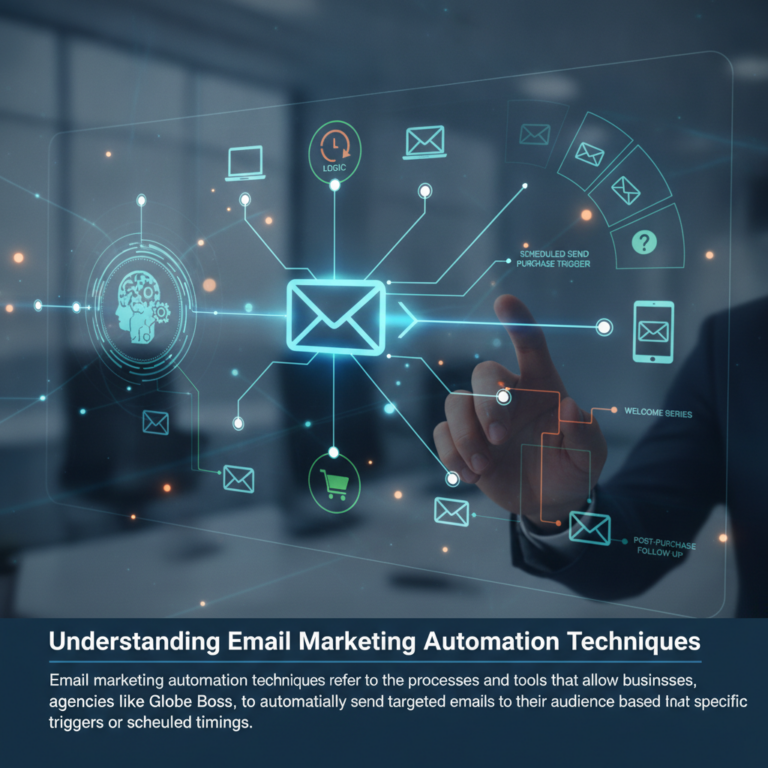 Email Marketing Automation Techniques
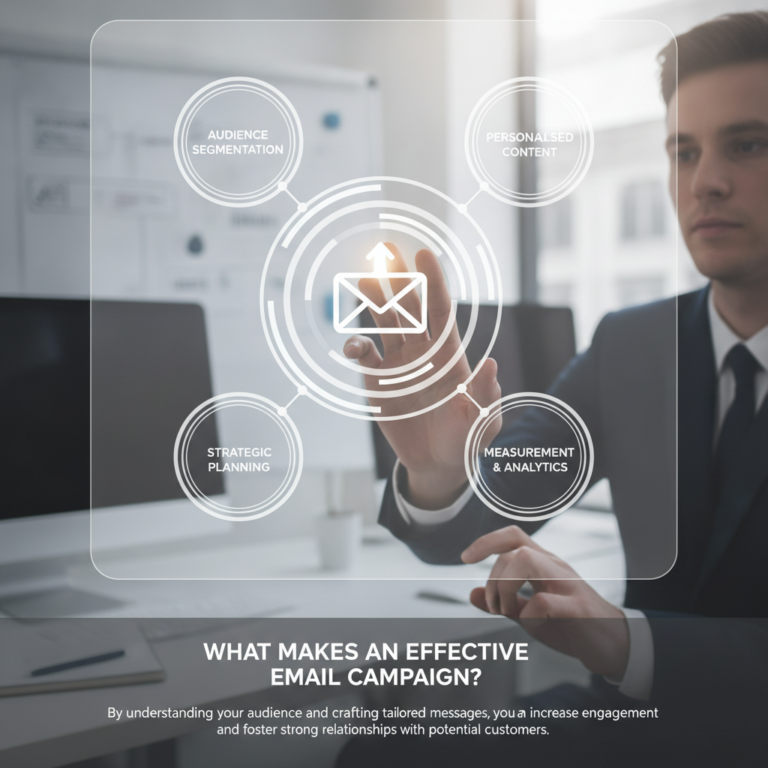 Effective Email Campaign Strategies
 How to Write Title Tags That Boost Click-Through Rate
 Maximizing Cross-sell Email Strategies for Repeat Business
 Maximise Instagram Engagement With Email Subscriber Strategy
 Amplify Audience with Instagram Email Strategy and No-Ad YouTube
 How to Write Meta Descriptions That Get Clicks