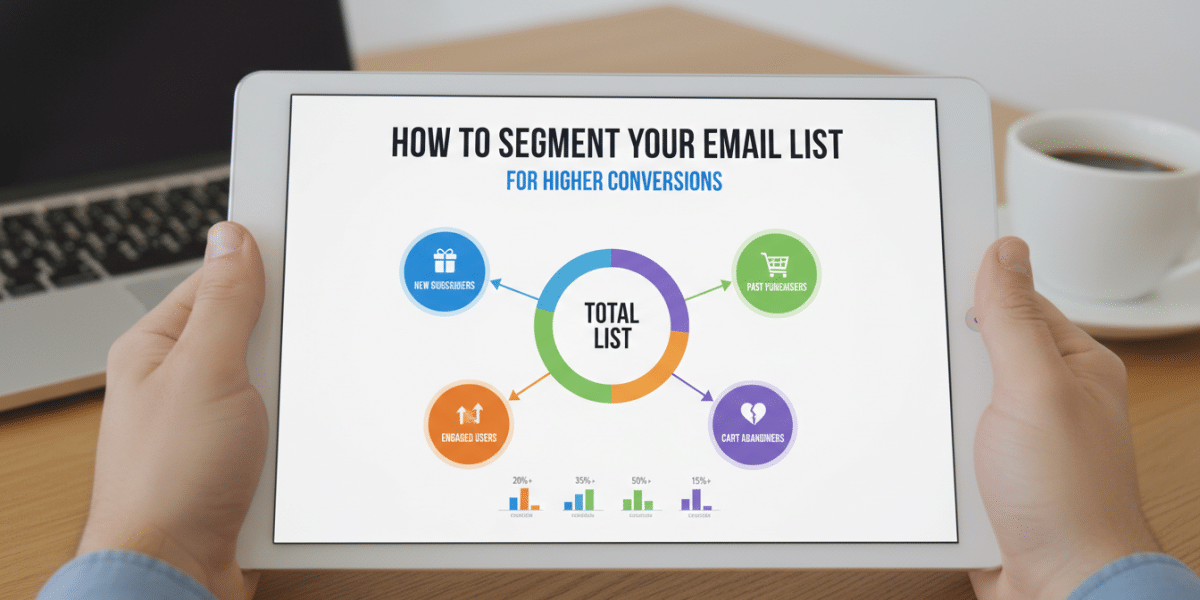
Unlock Higher Conversions: Your Guide on How to Segment Your Email List Effectively
Imagine walking into a bustling marketplace. You’re looking for a specific item – say, artisanal coffee beans. Would you prefer a vendor who shouts generic offers for everything from fresh produce to electronics, or one who, noticing your interest in gourmet food, immediately directs you to their specialty coffee stall and offers a sample of their latest brew? The latter, of course!
This simple analogy perfectly illustrates the power of email list segmentation. In today’s crowded digital landscape, sending one-size-fits-all emails to your entire subscriber base is like shouting random offers in that marketplace. It’s inefficient, often ignored, and rarely leads to the desired outcome. If you’re serious about boosting your marketing ROI and connecting with your audience on a deeper level, learning how to segment your email list for higher conversions isn’t just a good idea – it’s an absolute necessity.
Why Generic Emails Are a Conversion Killer (and Segmentation is Your Savior)
For too long, businesses have relied on the “spray and pray” approach: sending the same email to everyone on their list and hoping something sticks. While this might have worked in a less saturated environment, it’s a recipe for disaster now.
Think about your own inbox. How many emails do you delete unread because they’re irrelevant to you? How many times have you unsubscribed from a list because the content simply wasn’t speaking to your needs or interests? This is exactly what happens when you treat all your subscribers the same.
Generic emails lead to:
- Low open rates: People learn quickly that your emails aren’t for them.
- Low click-through rates: Even if opened, if the content doesn’t resonate, they won’t click.
- High unsubscribe rates: Frustration or disinterest leads to opt-outs.
- Increased spam complaints: When an email is truly irrelevant, it often gets marked as spam.
- Wasted effort and resources: You’re spending time and money creating content that underperforms.
The solution? Personalization. And the most effective path to personalization at scale is through email list segmentation. It allows you to group subscribers based on shared characteristics, behaviors, or preferences, ensuring that each email you send is highly relevant and, therefore, far more likely to convert.
The Core Benefits of Learning How to Segment Your Email List
Once you start to properly segment your email list, you’ll begin to unlock a cascade of benefits that directly impact your bottom line and strengthen your brand’s relationship with its audience.
- Higher Open Rates: When subscribers receive emails tailored to their interests, they’re more likely to open them. They learn to trust that your emails offer value.
- Increased Click-Through Rates: Relevant content isn’t just opened; it’s acted upon. If a product recommendation, a blog post, or an offer aligns with a subscriber’s profile, they’re far more likely to click through.
- Boosted Conversion Rates: This is the ultimate goal. Whether you’re aiming for sales, sign-ups, downloads, or event registrations, highly targeted emails consistently outperform generic ones. People are more inclined to convert when the message speaks directly to their needs.
- Lower Unsubscribe and Spam Complaint Rates: By providing value and avoiding irrelevant noise, you keep your subscribers happy and engaged, reducing the likelihood they’ll opt-out or mark your emails as spam.
- Stronger Customer Loyalty and Trust: When your brand consistently delivers personalized, valuable content, it fosters a sense of being understood and appreciated, building stronger relationships over time.
- Better Customer Insights: The process of segmentation itself forces you to understand your audience better. Analyzing the performance of different segments provides invaluable data that can inform broader marketing and product strategies.
Essential Strategies on How to Segment Your Email List for Higher Conversions
Now, let’s dive into the practical strategies for segmenting your email list. There are numerous ways to slice and dice your audience, and the best approach often involves combining several methods.
Demographic Segmentation: Who Are They?
This is one of the most straightforward ways to segment your list, based on basic characteristics of your subscribers.
- Age and Gender: While sometimes broad, this can be crucial for products or services targeted at specific age groups or genders. For example, a beauty brand might promote anti-aging products to an older segment and acne solutions to a younger one.
- Location: Essential for brick-and-mortar businesses, local events, or location-specific promotions. Imagine a restaurant sending a special discount only to subscribers within a 5-mile radius. Or an e-commerce store promoting winter wear to subscribers in colder climates.
- Income/Profession: Relevant for luxury brands, B2B services, or financial products. A high-end travel agency might target subscribers with higher income levels for luxury tour packages.
- Job Title/Industry (B2B): For business-to-business companies, knowing a subscriber’s role or industry allows you to tailor content to their specific professional needs and challenges.
Practical Tip: Collect demographic data through your signup forms (use optional fields for sensitive data), progressive profiling (asking more questions over time), or by integrating with CRM systems.
Psychographic Segmentation: What Do They Believe and Desire?
Moving beyond basic demographics, psychographic segmentation delves into the “why” behind your subscribers’ actions. It groups them by their interests, values, attitudes, and lifestyles.
- Interests/Hobbies: Are they interested in fitness, cooking, technology, sustainable living, or pet care? A gardening supply store might send tips on growing vegetables to one segment and flower care advice to another.
- Values/Beliefs: Do they prioritize eco-friendliness, ethical sourcing, community involvement, or cutting-edge innovation? A brand focused on sustainability can highlight its green initiatives to an environmentally conscious segment.
- Lifestyle: Are they urban dwellers, suburban families, frequent travelers, or homebodies? A travel company could send adventure tour packages to one group and relaxing spa retreats to another.
Practical Tip: Gathering this data can be done through surveys, quizzes (e.g., “Find your perfect product” quiz), asking about preferences during signup, or inferring from their website behavior (e.g., what blog categories they read most).
Behavioral Segmentation: What Do They Do?
This is often the most powerful form of segmentation because it’s based on actual actions (or inactions) taken by your subscribers. Behavior reveals intent and engagement levels.
-
Purchase History/Value:
- First-time buyers: Send a personalized welcome series, care instructions for their product, and related upsell/cross-sell recommendations.
- Repeat customers: Offer loyalty rewards, early access to new products, or exclusive discounts.
- High-value customers (VIPs): Treat them like royalty with exclusive offers, personalized service, and special event invitations.
- Product-specific buyers: If someone bought a dog leash, they might be interested in dog toys or training guides.
- Date of last purchase: Use this to re-engage lapsed customers with win-back campaigns and special incentives.
-
Website Activity:
- Pages visited: If a subscriber frequently visits your “men’s shoes” category, you know what to promote to them. If they read blog posts about “healthy recipes,” send them more related content or cooking product recommendations.
- Abandoned Carts: This is a conversion goldmine. Send automated reminders with an image of the left-behind items, perhaps with a small incentive.
- Product Views: If a user viewed a product multiple times but didn’t add it to their cart, a gentle reminder or a review of that product might push them to convert.
-
Email Engagement:
- Highly engaged subscribers: Reward them with exclusive content, early bird offers, or requests for feedback.
- Low engagement/Inactive subscribers: Try to re-engage them with a special offer, a “we miss you” campaign, or a survey asking about their preferences. If all else fails, consider removing them to keep your list clean and improve deliverability.
- Clicked specific links: If a subscriber clicked a link about an upcoming webinar, send them a follow-up about that event.
-
Lead Magnet/Opt-in Source: How did they join your list?
- If they downloaded an ebook on “SEO strategies,” they’re likely interested in more content or services related to SEO.
- If they signed up via a pop-up offering a discount on their first purchase, their initial interest might be price-driven.
-
Customer Status/Lifecycle Stage:
- New Leads: Welcome series, educational content.
- Active Customers: Product updates, complementary offers, loyalty programs.
- Lapsed Customers: Re-engagement campaigns, special offers to bring them back.
- Prospects vs. Customers: Tailor content to either educate potential buyers or support existing ones.
Geographic Segmentation: Where Are They?
While often overlapping with demographic data, this deserves its own mention for its specific applications. Beyond basic country/state, you can segment by city, zip code, or even weather patterns.
- Local Events/Promotions: Announce store openings, local sales, or workshops only to subscribers in the relevant area.
- Weather-Related Products: Promote umbrellas and rain boots to subscribers in rainy regions, or sunscreen and swimwear to those in sunny areas.
Putting It All Together: Implementing Your Segmentation Strategy
You don’t need to implement every single strategy at once. The key is to start simple and iterate.
- Start with Your Data: What information do you already have? Your email service provider (ESP) likely tracks opens, clicks, and basic geographic data. Your CRM or e-commerce platform holds purchase history and website behavior.
- Identify Key Segments: Based on your business goals, what are the most crucial segments? For an e-commerce store, “first-time buyers,” “repeat customers,” and “abandoned cart users” are often high-priority. For a content site, “readers of specific categories” might be more important.
- Collect More Data: If you need more information, strategically add fields to your signup forms, conduct surveys, or use progressive profiling techniques.
- Leverage Your ESP: Most modern email service providers (Mailchimp, ConvertKit, ActiveCampaign, HubSpot, etc.) offer robust segmentation features. Learn how to create and manage segments within your chosen platform.
- Test and Refine: Don’t just set it and forget it. A/B test different segmented campaigns against each other or against a non-segmented control group. Analyze your open rates, click-through rates, and conversion rates. What’s working? What’s not? Adjust your segments and content accordingly.
- Consider Dynamic Content: Many ESPs allow you to insert dynamic content blocks within a single email, which change based on the segment receiving it. This means you can send one email campaign that subtly shifts its messaging or product recommendations for different groups.
Common Pitfalls to Avoid When Segmenting Your Email List
While powerful, segmentation isn’t foolproof. Be aware of these common mistakes:
- Over-Segmentation: Don’t create so many tiny segments that it becomes unmanageable or impractical to create unique content for each. Start broad and get more granular as needed.
- Not Using the Data: Collecting data without acting on it is pointless. Ensure your segments directly inform the content and offers you send.
- Making Assumptions: Don’t assume you know what a segment wants. Base your segmentation on actual data and observed behaviors, then test your hypotheses.
- Forgetting About Inactive Subscribers: These are often neglected, but a targeted re-engagement campaign can breathe new life into dormant subscribers.
- Not Updating Segments Regularly: Customer preferences and behaviors change. Ensure your segments are dynamic and reflect your audience’s current status.
Conclusion
In an age where attention is the most valuable currency, generic marketing messages are quickly dismissed. Learning how to segment your email list for higher conversions is no longer a luxury; it’s a fundamental strategy for any business looking to thrive. By understanding who your subscribers are, what they care about, and how they interact with your brand, you can deliver highly relevant, personalized communications that resonate deeply. This approach not only drives better performance metrics – higher open rates, click-throughs, and most importantly, conversions – but also builds lasting relationships with your audience, turning fleeting interest into loyal advocacy. Start small, focus on the segments that matter most to your business goals, and watch your email marketing transform from a broad shout into a precise, effective conversation. Your subscribers, and your bottom line, will thank you for it.
Related Posts
 How to Reactivate Cold Email Subscribers With One Campaign
 How to Build an Email List From Scratch for Your Irish Business
 How to Build an Ireland Email List for Targeted Marketing
 Best Practices for Creating an Ireland Email List Organically
 How does GDPR compliance in Ireland affect my email marketing list?
 How to build an email subscriber list for Irish audiences?
 Defeat the four most common email mistakes
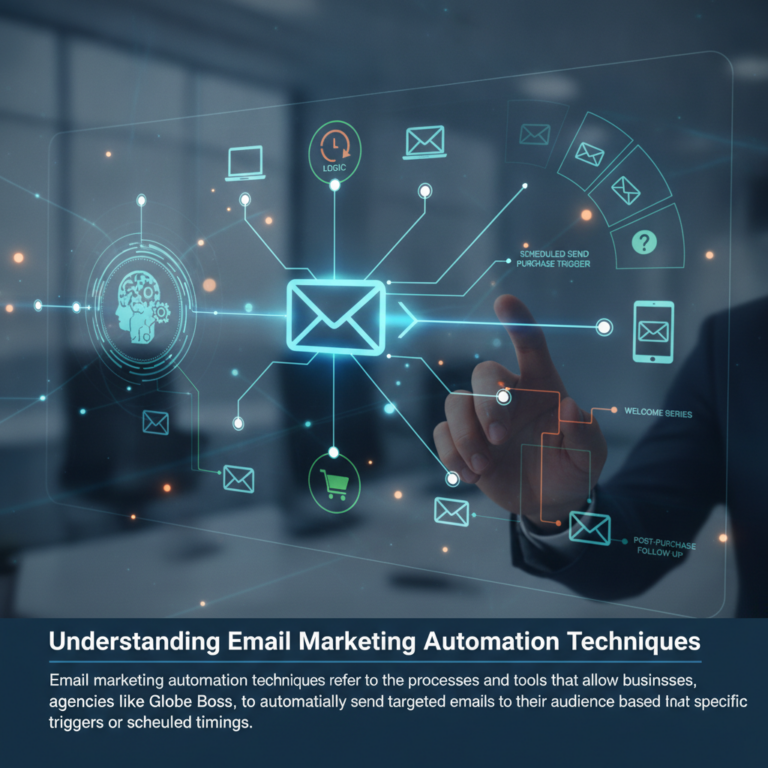 Email Marketing Automation Techniques