
In the bustling digital marketplace, grabbing attention is one thing; keeping it and turning it into a genuine connection is another. You’ve likely heard the adage, “the money is in the list.” But how do you build that list of engaged potential customers without resorting to pushy sales tactics? The answer, my friend, often lies in a powerful little tool called a lead magnet.
A lead magnet isn’t just a fancy term; it’s a fundamental pillar of modern digital marketing, designed to transform casual website visitors into identifiable leads. It’s the handshake, the initial offering of value that opens the door to a deeper relationship. But what exactly is a lead magnet, and more importantly, how do you craft one that truly resonates and brings in the right audience? Let’s dive in.
What Exactly Is a Lead Magnet?
At its core, a lead magnet is an irresistible piece of valuable content or an offer that you give away for free in exchange for a prospect’s contact information – most commonly, their email address. Think of it as a strategic bribe, but one where both parties win. You get a new lead, and your prospect gets immediate value, solving a specific problem or providing useful information.
It’s not just a freebie; it’s a targeted freebie. The goal isn’t just to get any email address, but to attract individuals who are genuinely interested in what you offer and are therefore more likely to become paying customers down the line.
More Than Just a Freebie
While a lead magnet is free, its perceived value should be high. It’s a snippet of your expertise, a taste of the transformation you offer. The concept is simple: by demonstrating your value upfront, you build trust and establish authority. This initial exchange moves a person from being an anonymous browser to a known prospect in your marketing funnel.
Businesses across all industries utilize lead magnets to:
- Build an email list: This is the primary function, giving you a direct channel to communicate with potential customers.
- Qualify leads: The type of lead magnet you offer can help filter out uninterested parties and attract those who are a good fit for your products or services.
- Educate prospects: Provide valuable information that positions you as an expert and helps prospects understand their problems and your solutions better.
- Nurture relationships: Begin a conversation that can lead to sales.
Why You Need a Powerful Lead Magnet (and Why a Weak One Hurts)
In a world saturated with information, your potential customers are looking for shortcuts, solutions, and genuine help. A powerful lead magnet provides exactly that, while a weak one can be detrimental.
The Benefits of a Great Lead Magnet
A well-crafted lead magnet can be a game-changer for your business:
- Accelerated List Growth: It’s the most effective way to organically grow your email list with interested subscribers. Instead of asking people to “sign up for our newsletter” (which often sounds boring), you’re offering something tangible and useful.
- Qualifying Leads: The specific topic of your lead magnet acts as a filter. If someone downloads your “Guide to Advanced SEO Strategies,” you know they’re likely a business owner or marketer interested in digital growth, making them a much better prospect for an SEO agency than someone who downloads a generic “free eBook.”
- Building Trust and Authority: By providing genuine value upfront, you establish yourself as an expert and a trustworthy resource. This builds goodwill, making prospects more receptive to future communications from you.
- Understanding Your Audience: The popularity of different lead magnets can reveal what topics and problems resonate most with your audience, informing your content strategy and product development.
- Fueling Your Sales Funnel: Once you have their email address, you can initiate an automated email sequence designed to nurture the relationship, educate them further, and eventually guide them towards a purchase. It’s the essential first step in many successful sales funnels.
The Pitfalls of a Poor Lead Magnet
Conversely, a weak or poorly conceived lead magnet can do more harm than good:
- Low Conversion Rates: If your offer isn’t compelling or relevant, people won’t give you their email address, and your list won’t grow.
- Attracting the Wrong Audience: A generic lead magnet might attract people who are just looking for free stuff, not those genuinely interested in your solutions. This clutters your list with unqualified leads who are unlikely to convert.
- Damaging Your Brand: If the content within your lead magnet is low quality, poorly designed, or doesn’t deliver on its promise, it can negatively impact your brand’s reputation and erode trust.
- Wasting Resources: Time and effort spent creating a lead magnet that doesn’t work is time and effort you could have invested in more effective marketing activities.
The Anatomy of an Irresistible Lead Magnet
So, what makes a lead magnet truly irresistible? It’s not just about what you offer, but how you offer it and who you offer it to.
Solves a Specific Problem
The best lead magnets address a single, acute pain point or desire of your ideal customer. They offer a quick win, a piece of information or a tool that helps them overcome an immediate challenge. Avoid trying to solve all problems at once; focus on one specific outcome.
High Perceived Value
Even though it’s free, it must feel valuable. This isn’t about making it overly complex or long; it’s about the quality of the content, the professional presentation, and the direct impact it promises. If it looks cheap or thrown together, its perceived value drops.
Easy to Consume
People are busy. Your lead magnet should offer a quick burst of value. A 200-page eBook might have high perceived value, but if your audience doesn’t have time to read it, they won’t benefit, and you won’t build that initial trust. Checklists, templates, and short guides often work better for immediate gratification.
Relevant to Your Business
This is crucial for qualifying leads. Your lead magnet should naturally lead prospects to your paid products or services. If you sell project management software, a “Website Launch Checklist” is far more relevant than a “Guide to Gardening,” even if both are valuable in their own right.
Demonstrates Your Expertise
Your lead magnet is an opportunity to showcase your knowledge, skills, and unique perspective. It builds credibility and positions you as a go-to authority in your niche.
Brainstorming Your Perfect Lead Magnet: Types & Examples
The world of lead magnets is incredibly diverse. Here are some of the most effective types, along with practical examples:
Educational Lead Magnets
These magnets aim to teach, inform, or guide your audience. They’re excellent for establishing authority.
- E-books or Guides: Longer-form content that dives deep into a specific topic.
- Example: “The Ultimate Guide to Starting an Online Business from Scratch” (for business coaches)
- Example: “Mastering Plant Care: A Beginner’s Guide to Thriving Indoor Gardens” (for plant shops)
- Checklists or Worksheets: Simple, actionable tools that help users complete a task or achieve a goal.
- Example: “Pre-Launch Website Checklist” (for web designers)
- Example: “Morning Routine Planner Worksheet” (for productivity coaches)
- Templates: Ready-to-use formats that save users time and effort.
- Example: “Social Media Content Calendar Template” (for social media managers)
- Example: “Cold Email Outreach Template Pack” (for B2B sales consultants)
- Webinars or Masterclasses: Live or recorded online sessions that provide in-depth teaching.
- Example: “Live Masterclass: Mastering Instagram Reels for Small Businesses” (for digital marketers)
- Example: “On-Demand Webinar: The Future of AI in Content Creation” (for AI software companies)
- Case Studies: Real-world examples demonstrating how your product or service helped a client achieve results.
- Example: “How Company X Increased Sales by 30% Using Our CRM Software” (for CRM providers)
- Email Courses: A series of emails delivered over several days, teaching a specific skill or topic.
- Example: “5-Day Email Course: Launch Your First Podcast” (for podcasting consultants)
Tool-Based Lead Magnets
These provide a practical utility or experience, often interactive.
- Quizzes or Assessments: Engaging tools that help users discover something about themselves or their situation.
- Example: “What’s Your Marketing Personality Type?” (for marketing agencies)
- Example: “Discover Your Financial Health Score” (for financial advisors)
- Calculators: Tools that help users crunch numbers related to their specific needs.
- Example: “Mortgage Affordability Calculator” (for real estate agents or lenders)
- Example: “ROI Calculator for Digital Ad Spend” (for advertising agencies)
- Free Trials or Demos: Common in the software industry, offering a taste of the full product.
- Example: “30-Day Free Trial of Our Project Management Software” (for SaaS companies)
How to Create a Lead Magnet That Actually Works: A Step-by-Step Guide
Creating an effective lead magnet isn’t a shot in the dark; it’s a strategic process. Follow these steps to maximize your chances of success.
Step 1: Know Your Audience and Their Pain Points
Before you even think about formats, you need to deeply understand who you’re trying to attract.
- Research: What questions do your ideal customers ask? What challenges do they face? What are their aspirations?
- Surveys & Interviews: Talk to existing customers or your target audience.
- Buyer Personas: Create detailed profiles of your ideal customers, including their demographics, motivations, goals, and pain points.
Practical Tip: Look at forums, Reddit, Facebook groups, or “people also ask” sections on Google related to your niche. What problems are consistently discussed?
Step 2: Choose the Right Format
Based on your audience’s pain points and how they prefer to consume information, select the best lead magnet type.
- If their problem needs a quick fix, a checklist or template is ideal.
- If they need deep understanding, an eBook or webinar might be better.
- Consider what you can realistically create with high quality.
Step 3: Craft Compelling Content
This is where you deliver on your promise.
- Value First: Ensure the content genuinely helps or informs.
- Clarity & Conciseness: Get to the point. Avoid jargon.
- Actionable Advice: Provide steps or insights that users can immediately implement.
- Professional Design: Even if it’s a simple PDF, make it visually appealing. Use your brand colors, fonts, and high-quality images. A well-designed lead magnet enhances perceived value.
Step 4: Create a Dedicated Landing Page
You need a specific page on your website where visitors can learn about and download your lead magnet.
- Clear Headline: State the benefit of the lead magnet immediately.
- Compelling Copy: Explain the problem it solves and the transformation it offers.
- Benefit-Oriented Bullet Points: Highlight what the user will gain.
- Strong Call-to-Action (CTA): A clear button that says, “Download Your Free Guide Now” or “Get Instant Access.”
- Simple Form: Only ask for essential information (typically name and email). The more fields, the lower the conversion rate.
- Minimal Distractions: Remove navigation menus and other links that could pull visitors away.
Step 5: Promote Your Lead Magnet
Build it, and they might come; promote it, and they will come.
- Website: Prominently display it on your homepage, blog posts, and relevant pages.
- Blog Content: Write blog posts that naturally lead to your lead magnet as a next step.
- Social Media: Share it across all your active platforms.
- Email Signature: Include a link in your professional emails.
- Paid Advertising: Consider running targeted ads on platforms like Facebook, Instagram, or Google.
Step 6: Follow Up and Nurture
The download isn’t the end; it’s the beginning.
- Automated Delivery: Immediately send an email with a link to the lead magnet.
- Welcome Sequence: Set up an automated email series that provides more value, introduces your brand, and hints at your paid offerings without being overly salesy. This nurtures the lead.
Step 7: Test, Analyze, and Optimize
Marketing is an iterative process.
- Track Conversions: Monitor how many people are landing on your page and how many are downloading the magnet.
- A/B Test: Experiment with different headlines, landing page copy, CTAs, or even different types of lead magnets.
- Gather Feedback: Ask new subscribers what they thought of your lead magnet.
Conclusion
A well-executed lead magnet is more than just a marketing tactic; it’s a strategic investment in your business’s future. It’s the most effective way to grow a targeted email list, qualify your prospects, build genuine trust, and ultimately, fuel your sales engine. By focusing on your audience’s needs, offering high-value solutions, and meticulously crafting your offering, you can create a lead magnet that doesn’t just attract attention, but converts it into lasting relationships and tangible business growth. So, stop giving away your best stuff for nothing, and start exchanging it for the most valuable asset in your digital toolkit: your audience’s trust and their email address. Now, go forth and magnetize!
Related Posts
 Create Consistent Keyword Auto-Linking Rules
 Filmmaker Mindset: Create Compelling AI Videos with Seedance
 Multi-Location SEO: One Website, Many Irish Branches
 How to Rank on Page One in Dublin Without Paying for Ads
 How to Create a Content Calendar That Drives Organic Traffic
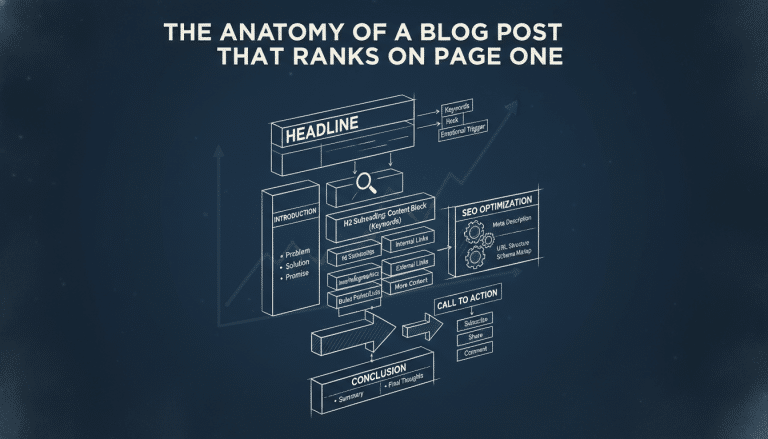 The Anatomy of a Blog Post That Ranks on Page One
 How to Turn One Blog Post Into 10 Pieces of Content
 How to Build a Social Media Strategy That Actually Works