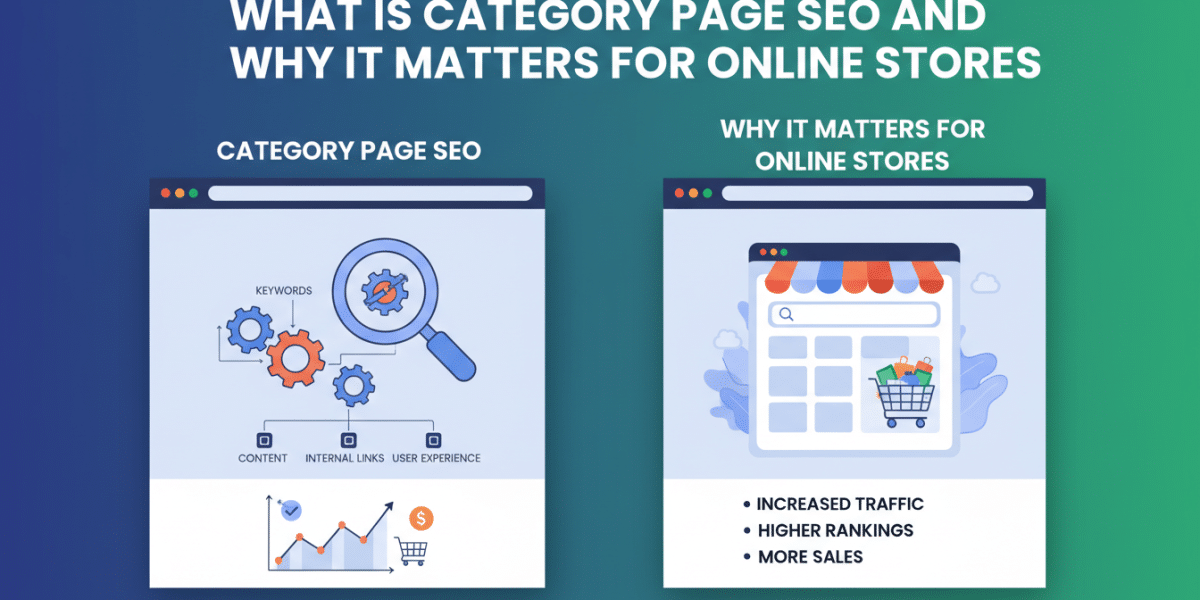
In the vast, competitive landscape of e-commerce, simply having an online store isn’t enough. To truly stand out, drive traffic, and convert visitors into loyal customers, you need a robust search engine optimisation (SEO) strategy. While much attention is often given to product pages or blog content, there’s a vital, often underestimated hero in the SEO playbook: the category page. Understanding what is Category Page SEO and why it matters for online stores can be the game-changer your business needs to unlock significant organic growth.
Category pages are the digital departments of your online store, acting as bridges between your homepage and individual product listings. They group similar products, making navigation intuitive for shoppers. But beyond their functional role, these pages hold immense SEO potential. By optimising them, you can capture a vast audience searching for product types, not just specific items, positioning your store directly in their path when their buying intent is high.
Let’s dive into the critical world of Category Page SEO and uncover why it’s a non-negotiable for any online retailer aiming for sustained success.
What Exactly Are Category Pages in E-commerce?
Before we delve into the “SEO” aspect, let’s clarify what a category page is within the context of an online store. Imagine walking into a large department store. You don’t just wander aimlessly; you head to the “Electronics” department, then perhaps the “Laptops” section within it. Online, category pages serve this exact purpose.
A category page is a section of your website that lists multiple products belonging to a specific group or type. For example, an electronics store might have category pages for “Laptops,” “Smartphones,” “Televisions,” and “Headphones.” Each of these pages would then display a collection of products that fit that description.
The Role of Categories in User Experience
From a user experience (UX) perspective, categories are foundational. They:
- Organize products: Preventing information overload and helping users quickly find what they’re looking for.
- Aid navigation: Providing a logical path through your product catalog.
- Streamline shopping: Allowing users to browse a selection before committing to a specific product.
- Improve discoverability: Helping users explore your offerings even if they don’t have a specific product in mind.
Without well-structured category pages, an online store would be a chaotic jumble, frustrating customers and making it nearly impossible for them to find anything.
Unpacking “Category Page SEO”
Now that we understand what category pages are, let’s define Category Page SEO. It’s the process of optimising these pages to rank higher in search engine results for relevant keywords, thereby attracting more organic traffic and potential customers to your online store.
More Than Just Product Pages
It’s crucial to distinguish category pages from product pages and the homepage.
- Homepage: The storefront, offering a broad overview and directing users to key sections.
- Product Pages: Highly specific, focused on a single item (e.g., “Apple MacBook Air M2 13-inch”).
- Category Pages: Sit in the middle, targeting broader search queries for groups of products (e.g., “Laptops,” “Gaming Laptops,” “Business Laptops”).
The optimisation strategies for each differ because they serve different user intents.
The Goal of Optimizing Category Pages
The primary goal of Category Page SEO is to attract users who are searching for a type of product rather than a specific brand or model. These users are often earlier in their buying journey, researching options, comparing features, or simply exploring possibilities. For example, someone searching for “wireless headphones” is likely looking at different brands and models, whereas someone searching for “Bose QuietComfort 45” has a very specific product in mind.
By optimising category pages, you aim to:
- Rank for high-volume, commercially-driven keywords: Keywords like “women’s running shoes,” “espresso machines,” or “eco-friendly cleaning supplies.”
- Drive relevant, high-intent traffic: Users arriving on a category page are typically looking to make a purchase within that product group.
- Improve overall site authority: Well-optimised category pages contribute to your site’s overall SEO strength.
Why Category Page SEO is a Non-Negotiable for Online Stores
Ignoring Category Page SEO is akin to leaving money on the table. Here’s why it should be a cornerstone of your e-commerce strategy:
Capturing Broad Commercial Intent
Many online shoppers start their journey with broad searches. They know what they want to buy – say, a “digital camera” – but they haven’t settled on a specific model or brand yet. This is where category pages shine. They cater directly to these “commercial intent” keywords, intercepting potential customers at a crucial decision-making stage. Product pages, by contrast, target users with specific product intent, which is often a smaller pool.
Driving Targeted Traffic and Sales
When a user searches for “men’s hiking boots” and lands directly on your “Men’s Hiking Boots” category page, they’ve found exactly what they were looking for. This highly targeted traffic leads to higher engagement, lower bounce rates, and, most importantly, higher conversion rates. Customers are more likely to make a purchase when they land on a page that immediately addresses their search query and presents relevant options.
Enhancing User Experience (UX) and Site Architecture
A well-optimised category page isn’t just for search engines; it’s a delight for users. Clear, descriptive categories make your site easy to navigate. This positive user experience signals to search engines that your site is valuable and trustworthy, which can indirectly boost rankings. Furthermore, strong category pages create a logical site structure, which helps search engines crawl and understand your website more effectively, improving indexability.
Building Domain Authority and Internal Linking Power
Category pages, especially top-level ones, often accumulate significant link equity over time. They can receive backlinks from external sites (e.g., review sites, blogs referencing product types) and are naturally linked internally from your homepage and other parts of your site. This concentrated authority can then be passed down to individual product pages through internal links, strengthening their SEO performance.
Key Pillars of Effective Category Page SEO
To truly leverage the power of Category Page SEO, you need a multi-faceted approach, touching upon keyword research, on-page optimisation, technical elements, and user experience.
Keyword Research: The Foundation
Effective category page optimisation begins with thorough keyword research. Unlike product page SEO, which focuses on highly specific product names and model numbers, category page SEO targets broader, more general terms.
- Focus on Category-Level Keywords: Think about how people search for a type of product. Examples include “women’s dresses,” “smart home devices,” “organic dog food,” or “gaming keyboards.”
- Analyze Search Volume and Competition: Prioritize keywords with a healthy search volume and a realistic chance of ranking.
- Consider Long-Tail Variations: While primary keywords are broad, include sub-category specific long-tail keywords (e.g., “strapless summer dresses,” “smart thermostats compatible with Alexa”).
- Competitor Analysis: See what keywords your successful competitors are ranking for with their category pages.
On-Page Optimization: Making Your Categories Shine
Once you have your target keywords, it’s time to integrate them strategically into your category pages.
- Compelling Title Tags and Meta Descriptions: These are your store’s storefront in search results.
- Title Tag: Include your primary keyword naturally and prominently. Keep it concise (under 60 characters) and enticing (e.g., “Buy [Keyword] Online | Free Shipping | YourStoreName”).
- Meta Description: Expand on the title, include secondary keywords, highlight benefits, promotions, or unique selling propositions (e.g., “Discover our wide selection of [Keyword] for every budget. Shop top brands and enjoy fast delivery!”).
- Optimized H1 Headings: The H1 tag should be the main heading on your category page, clearly stating what the page is about. It should usually match your category name and include your primary keyword (e.g.,
<h1>Men's Running Shoes</h1>). - Rich, Unique Category Descriptions: This is often overlooked. Instead of just listing products, write 200-500 words of unique, helpful content at the top or bottom of the page.
- Explain what the category offers.
- Discuss the benefits or uses of the products within the category.
- Include relevant keywords naturally (not stuffed!).
- Offer guidance on how to choose products from this category.
- Mention related categories or complementary products.
- Example: For “Coffee Makers” – “Wake up to the perfect brew every morning with our diverse range of coffee makers. Whether you’re a fan of single-serve convenience, a traditional drip brew, or the rich intensity of espresso, our collection features top brands designed to enhance your daily ritual. Discover models with programmable settings, built-in grinders, and stylish designs to fit any kitchen aesthetic.”
- Product Snippets and Schema Markup: Implement structured data (Schema Markup, especially Product Schema) to help search engines understand your product listings. This can lead to rich snippets (ratings, prices, availability) appearing in search results, increasing click-through rates.
- Image Optimization: Ensure all product images within the category have descriptive alt text and appropriate file names that include relevant keywords where natural. Compress images for fast loading.
- Facets and Filters: Implement these for user convenience, but be mindful of SEO. Ensure that highly filtered pages don’t create duplicate content issues. Use canonical tags to point to the main category page or
noindexvery niche filter combinations if they don’t add significant SEO value.
Technical SEO: The Unseen Mechanics
Even the best content won’t rank if search engines can’t properly access and understand your category pages.
- Crawlability and Indexability: Ensure your category pages are included in your XML sitemap and are not blocked by robots.txt. Search engines need to find and read them.
- URL Structure: Keep your URLs clean, descriptive, and SEO-friendly. They should include your main keyword and be easy for both users and search engines to understand (e.g.,
yourstore.com/electronics/laptops). Avoid long strings of numbers or parameters. - Page Speed: Fast loading times are crucial for user experience and search engine rankings. Optimize images, leverage browser caching, and consider a Content Delivery Network (CDN).
- Mobile-Friendliness: With the majority of internet users browsing on mobile devices, responsive design is non-negotiable. Your category pages must be fully functional and easy to navigate on smartphones and tablets.
- Canonical Tags: Prevent duplicate content issues, especially when filters or sorting options create multiple URLs for essentially the same content. A canonical tag tells search engines which version is the preferred one to index.
User Experience (UX) and Content Quality
Search engines prioritize pages that offer a great user experience.
- Easy Navigation: Implement clear breadcrumbs, intuitive menus, and logical internal linking. Users should always know where they are on your site and how to get back to previous sections.
- High-Quality Product Listings: Ensure products displayed on the category page have good quality images, clear titles, and essential information (e.g., price, ratings) at a glance.
- Reviews and Ratings: Product reviews add unique, user-generated content and build trust. Encourage customers to leave reviews.
- “Load More” / Pagination Strategy: If you have many products, decide between “load more” buttons (infinite scroll) or traditional pagination. Both need to be implemented correctly for SEO to ensure all products are crawlable.
Link Building and Internal Linking
Building authority for your category pages helps them rank higher.
- Internal Linking: This is often the easiest and most impactful. Link from your homepage, blog posts (when relevant), and other related category pages to your target category pages using descriptive anchor text (e.g., “discover our premium gaming laptops“).
- External Backlinks: As with any important page, acquiring high-quality backlinks from reputable external sites will significantly boost your category page’s authority and ranking potential.
Common Pitfalls to Avoid in Category Page SEO
- Thin Content: Simply having a category name and a list of products isn’t enough. Add unique, valuable descriptive text.
- Duplicate Content: This is a major issue in e-commerce, often caused by unfiltered pages, faceted navigation, or parameter URLs. Use canonical tags correctly.
- Generic or Keyword-Stuffed Titles/Descriptions: Write for users first. Over-optimising by cramming keywords will hurt readability and potentially lead to penalties.
- Ignoring Mobile Experience: A desktop-only approach will alienate a large segment of your audience and penalize your rankings.
- Slow Loading Times: Impatient users will bounce, and search engines will demote slow pages.
- No Indexing of Category Pages: Accidentally blocking search engines from crawling these critical pages can devastate your organic visibility.
Conclusion
Understanding what is Category Page SEO and implementing a robust strategy for your online store is no longer optional – it’s a fundamental requirement for success in today’s competitive digital marketplace. By dedicating time and resources to optimising these crucial pages, you position your brand to capture valuable traffic with high commercial intent, enhance the user experience, build domain authority, and ultimately drive sustainable sales growth.
It’s an ongoing effort, requiring continuous keyword research, content refinement, technical vigilance, and a keen eye on user behavior. But the rewards – increased visibility, more qualified leads, and a stronger online presence – make Category Page SEO an investment that pays dividends for years to come. Start optimising your category pages today, and watch your online store climb the search engine ranks, connecting more effectively with the customers who are actively looking for what you sell.
Dublin's ROI-Driven Digital Marketing Agency Home
Related Posts
 Woo commerce SEO the definitive guide for your online store
 Delivery, Returns and Size Guide Pages: Hidden SEO Value
 Page Speed Optimisation for Irish E-commerce Stores
 The Best Payment Gateways for Irish Online Stores in 2026
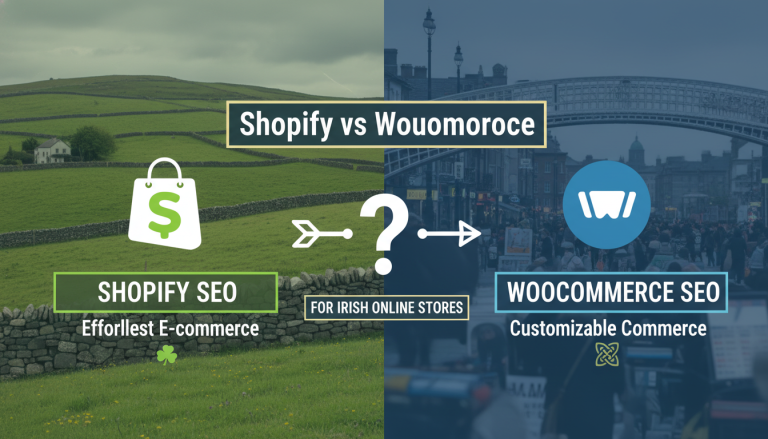 Shopify vs WooCommerce SEO for Irish Online Stores
 Why Site Architecture Matters More Than Keywords for E-Commerce
 The Best Link Building Strategies for Irish Online Shops
 E-commerce SEO Ireland Your 2025 Strategy for Online Sales