Understanding Cross-Channel Marketing Solutions
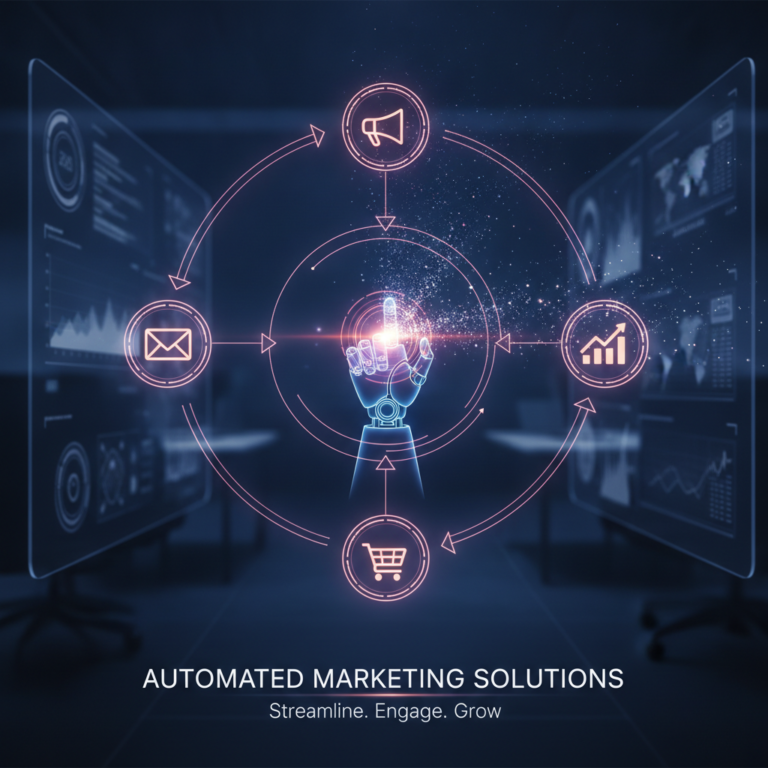
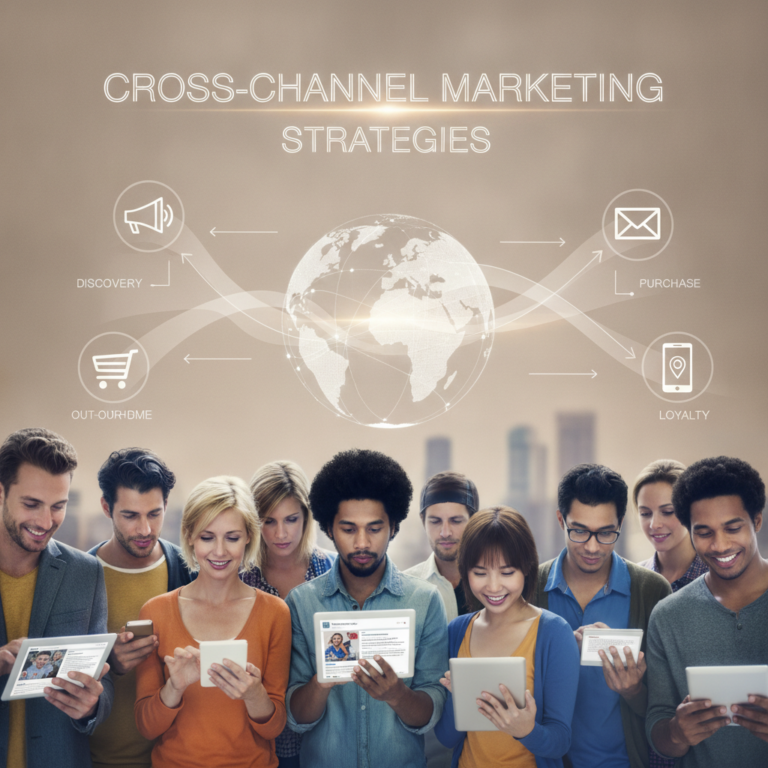
Cross-channel marketing solutions involve the integration of multiple marketing channels to provide a seamless customer experience. By leveraging various platforms, such as email, social media, SEO, and content marketing, businesses can engage with their target audience more effectively. The goal is to create a cohesive strategy that amplifies messaging and drives better customer engagement.
Why Cross-Channel Marketing Matters
In today’s digital landscape, the average consumer interacts with brands across several touchpoints before making a purchase decision. According to a study by HubSpot, 53% of marketers say that cross-channel marketing is essential for their success. In the Irish market, where competition is fierce, implementing cross-channel strategies can significantly enhance visibility and conversion rates.
The Benefits of Cross-Channel Marketing
There are several benefits to adopting cross-channel marketing solutions:
- Increased Customer Engagement: By meeting consumers where they are, businesses can create a more engaging experience.
- Improved Brand Recognition: Consistent messaging across channels builds trust and recognition.
- Data Insights: Cross-channel marketing generates rich data that can be analysed for better targeting and strategy refinement.
- Higher ROI: Businesses that engage in cross-channel marketing achieve 18% higher revenue than those who do not.
Key Components of Effective Cross-Channel Marketing
1. Customer Data Integration
To implement cross-channel marketing effectively, businesses need access to integrated customer data. This involves collecting data from various sources, including CRM systems, email marketing platforms, and social media analytics. In Ireland, tools such as HubSpot or Salesforce can help small and medium-sized businesses consolidate customer information. Investing in these tools can streamline processes and provide a 360-degree view of customer interactions.
2. Targeted Messaging
Once data is integrated, the next step is to develop targeted messaging tailored to different customer segments. By using insights gathered from cross-channel behaviours, businesses can personalise communication. For instance, a Dublin-based tech retail company might target email offers for new gadgets based on past purchases from customers who also engage on social media platforms.
3. Channel-Specific Strategies
While the overall messaging should be consistent, each channel requires a specific strategy. Here are some examples:
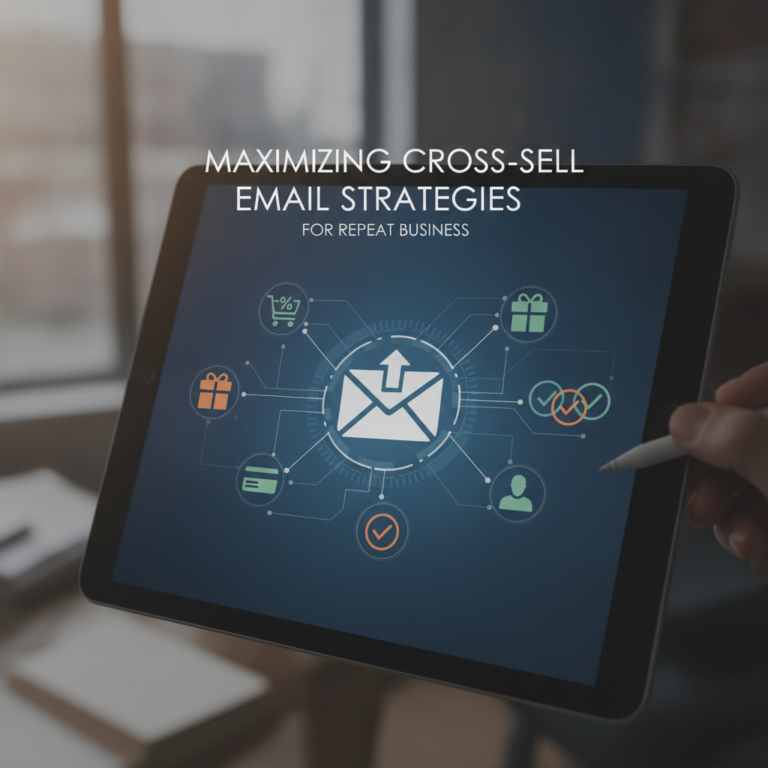
- Email: Use email for targeted follow-ups and nurturing leads. Personalisation can lead to a 26% increase in open rates.
- Social Media: Share user-generated content to build community and encourage engagement.
- SEO: Create content that answers common customer questions, driving organic traffic while ensuring that the messaging aligns with other channels.
4. Seamless Customer Experience
Consumers expect a seamless experience across channels. This means that they should be able to engage with a brand through social media and then move to a website without losing context. Providing consistent experiences across channels can reduce friction and increase conversion rates.
5. Analytics and Optimisation
Finally, effective cross-channel marketing relies on ongoing analytics and optimisation. By analysing data from different channels, businesses can identify which strategies work and which do not. Tools like Google Analytics can provide insights into customer behaviours, helping to refine campaigns over time.
It’s good practice to revisit your strategy every three to six months. Consider setting up KPIs, like conversion rates and customer acquisition costs, to measure success accurately and make necessary adjustments.
Steps to Implement Cross-Channel Marketing Solutions
Implementing cross-channel marketing may seem daunting, but it can be broken down into actionable steps:
- Define Goals: Establish what you want to achieve through cross-channel marketing, whether it’s increasing sales, improving brand awareness, or enhancing customer loyalty.
- Audit Current Strategies: Evaluate your existing marketing channels to understand what’s working and where improvements can be made. Consider conducting a free SEO audit to assess how well your online presence is performing.
- Integrate Data: Consolidate customer data across your marketing platforms to create a unified customer profile.
- Create a Holistic Content Strategy: Develop a content plan that speaks to your audience across all channels. It should also align with your brand’s tone and messaging.
- Execute Campaigns: Launch your campaigns, ensuring that each channel works in tandem with the others, maintaining consistent messaging.
- Measure and Adjust: Use analytics to monitor your campaigns and make necessary adjustments in real-time. Look for metrics related to engagement, conversions, and customer feedback.
Common Questions About Cross-Channel Marketing Solutions
1. What is the difference between multichannel and cross-channel marketing?
Multichannel marketing refers to using various channels independently. In contrast, cross-channel marketing integrates these channels to create a cohesive customer experience.
2. How long will it take to see results from cross-channel marketing?
Results can vary depending on the industry and current marketing effectiveness. Typically, businesses can start seeing positive changes between three to six months after implementing a cross-channel strategy.
3. Do cross-channel marketing solutions work for small businesses?
Absolutely! Small businesses can greatly benefit from cross-channel marketing as it levels the playing field with larger competitors. Personalisation and targeted messaging can help small brands connect better with their audience.
4. What tools are recommended for cross-channel marketing?
Platforms like HubSpot, Mailchimp, and Google Analytics can provide the necessary data insights and streamline multi-channel efforts.
5. How can I get started with cross-channel marketing?
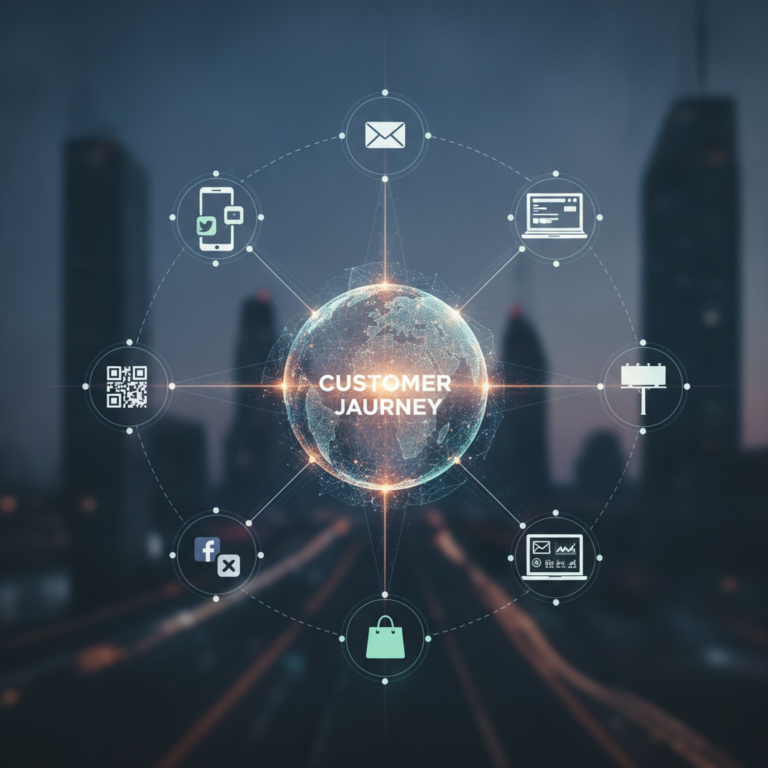
Begin by defining your goals, auditing your current strategies, and integrating customer data across your channels. Knowing your customers and their journey is key to crafting effective campaigns.
Conclusion
Cross-channel marketing solutions are no longer optional; they are essential for brands looking to thrive in competitive markets like Ireland. By leveraging integrated data, targeted messaging, and analytics, businesses can create a seamless customer experience that drives engagement and conversions.
If you want to enhance your digital presence further, consider consulting with a digital marketing agency like Globe Boss or check out The Traffic Playbook for strategies that can support your efforts.
For more detailed guidance, feel free to reach out by email at moc.ssobebolg@ofni or call +353 1 868 2345.