What is an Effective Marketing Funnel?
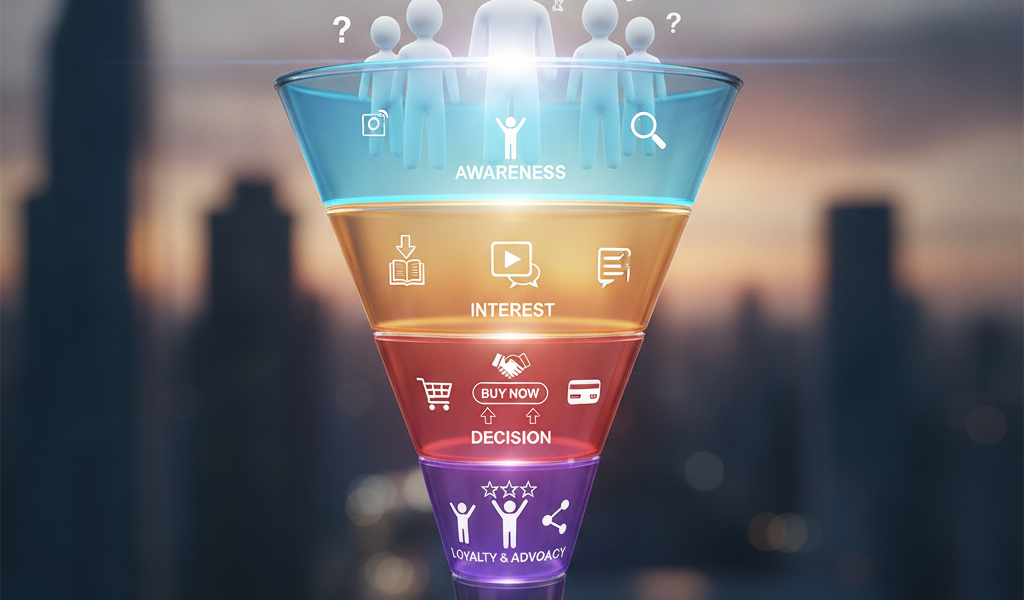
An effective marketing funnel is a structured journey that potential customers go through from the initial contact with a brand to making a purchase and beyond. The funnel focuses on different stages—awareness, interest, decision, and action—each representing a step in converting visitors into loyal customers. By employing a targeted approach, businesses can optimise each stage to enhance conversions, ultimately driving revenue and fostering long-term customer relationships.
Understanding the Stages of a Marketing Funnel
To create an effective marketing funnel, it’s crucial to understand the different stages involved:
Aware Stage
In the awareness stage, potential customers first become aware of your product or service. This is accomplished through various methods including:
For instance, a Dublin-based business might run SEO campaigns that attract local traffic. According to industry benchmarks, the average click-through rate (CTR) for businesses in Ireland is around 2%. Effective use of keywords and local SEO techniques can help increase this visibility substantially.
Interest Stage
Once potential customers are aware of your brand, the next step is to capture their interest. This can be achieved through:
- Engaging blog posts or articles
- Free resources such as eBooks or webinars
- Case studies that highlight client successes
For example, by offering a free SEO audit, Globe Boss can entice interested users to learn more about their services, establishing credibility and attracting leads.
Decision Stage
At the decision stage, potential customers are considering their options. This is when providing clear, compelling reasons to choose your product over competitors is essential. Key tactics include:
- Customer testimonials and reviews
- Detailed product descriptions
- Special offers or discounts
For instance, incorporating real reviews from satisfied customers can significantly influence decision-making. Statistics show that 88% of consumers trust online reviews as much as personal recommendations.
Action Stage
The action stage is where the conversion happens—your potential customer makes the purchase. This step involves simplifying the transaction process:
- Clear calls-to-action (CTAs)
- Smooth checkout processes
- Safe payment options
Additionally, follow-up processes such as confirmation emails or thank-you pages help reinforce the decision, making customers feel good about their purchase.
Measuring the Effectiveness of Your Funnel
For an effective marketing funnel, it’s important to measure key performance indicators (KPIs) at each stage:
- Aware Stage: Track website traffic and CTRs.
- Interest Stage: Measure engagement rates, such as time spent on the site and page views.
- Decision Stage: Monitor conversion rates and abandonment rates at the checkout.
- Action Stage: Assess sales growth and customer satisfaction through post-purchase surveys.
Regularly analysing these metrics enables businesses to identify where drop-offs occur and tailor strategies to improve funnel efficiency. As an example, if a notable number of visitors leave at the decision stage, a business may need to reassess its pricing strategy or improve its call-to-action wording.
Optimising Your Marketing Funnel
To enhance the effectiveness of your marketing funnel, consider the following practical steps:
Segment Your Audience
Understanding the different segments of your audience allows for more tailored marketing efforts. This can involve:
- Creating buyer personas based on demographics and behaviours
- Customising content to speak directly to each segment’s needs
By targeting specific buyer personas, Globe Boss can ensure that every piece of content is highly relevant.
Utilise A/B Testing
Implementing A/B testing on email campaigns, landing pages, or advertisements can help identify what resonates best with your audience. Testing different headlines, images, and CTAs allows for data-driven decisions, potentially boosting conversion rates.
Continuous Follow-Up
After a purchase, it’s essential to continue nurturing customer relationships. This can include:
- Sending personalised emails with relevant recommendations
- Implementing loyalty programs to encourage repeat purchases
- Seeking feedback to improve future interactions
Maintaining a connection with customers can lead to increased lifetime value, as satisfied customers are likely to become repeat buyers and advocates for the brand.
FAQs about Effective Marketing Funnels
1. How long does it take to see results from a marketing funnel?
Results can vary significantly depending on the industry, target audience, and specific strategies used. However, reaching substantial results may take anywhere from three to six months as prospects move through the funnel stages.
2. What tools can help in building a marketing funnel?
Several tools are available to assist with marketing funnels, including:
- HubSpot for CRM and automation
- Email marketing platforms like Mailchimp
- Google Analytics for tracking performance
3. How can SEO improve my marketing funnel?
SEO boosts the visibility of your website, driving organic traffic to the top of your funnel. A well-optimised site can significantly increase the number of leads and customers entering your sales pipeline.
4. Should I invest in paid advertising for my marketing funnel?
Paid advertising can accelerate traffic and leads to your funnel, especially in the early stages. However, it should be combined with a solid organic strategy to create a balanced approach.
5. How important is content in a marketing funnel?
Content is critical at every stage of the funnel. It engages prospects, educates them about your offerings, and helps build trust, making it more likely that they will choose your brand when ready to purchase.
Conclusion
Establishing an effective marketing funnel is fundamental for driving conversions and fostering customer loyalty. By carefully crafting each stage and utilising proven marketing strategies, businesses like Globe Boss can see significant improvements in their sales performance. For those looking to enhance their online presence, consider exploring The Traffic Playbook for comprehensive strategies tailored to modern digital marketing challenges.
For further inquiries, email moc.ssobebolg@ofni or call +353 1 868 2345.
Related Posts
 Building effective sales funnels
 Building effective
sales funnels
 E-Commerce Conversion Strategies
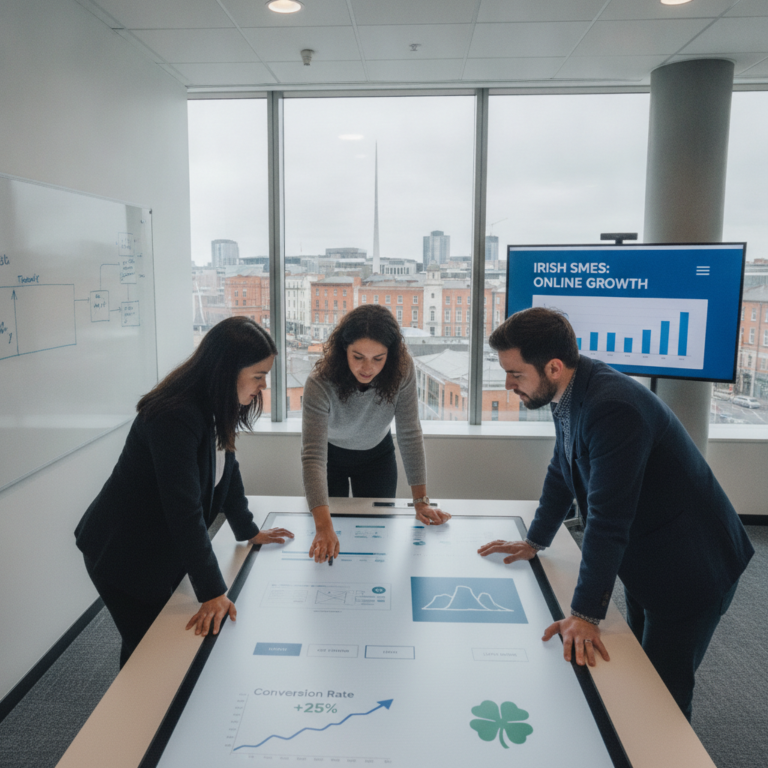 Designing High-Converting Landing Pages: Tips for Irish SMEs
 Globe Boss Conversion Rate Optimization Dublin
 Conversion Rate Optimization Top 10 Strategies for Success
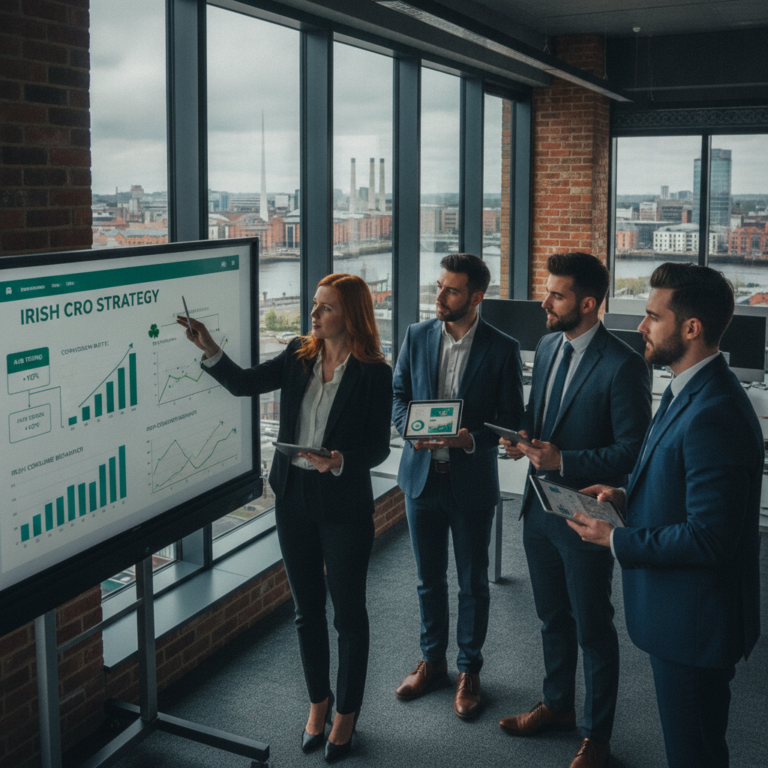 What is Conversion Rate Optimization (CRO) for Irish businesses?
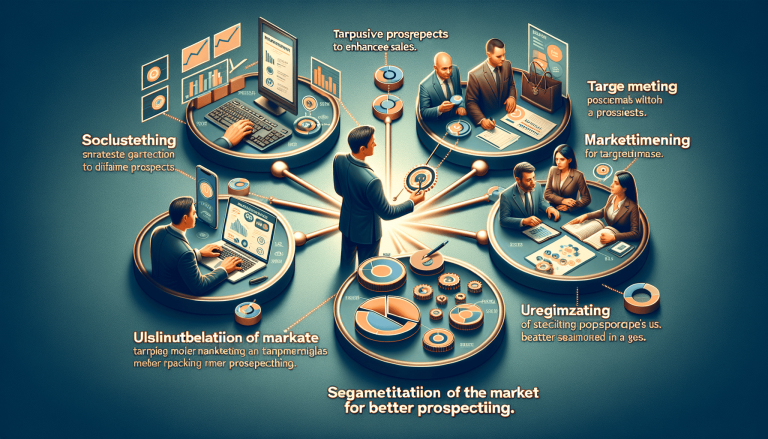 Effective ways to connect with your target prospects and increase sales