

Understanding Googleʼs Query Fan-Out R4T-Diffusion
Google’s Query Fan-Out R4T-Diffusion stands to significantly reshape SEO strategies in Ireland by altering how search results are generated. This new model enhances the capability of Google’s algorithm to disseminate queries across various sources, allowing it to provide more relevant results. In practical terms, Irish businesses, particularly local SMEs, now need to recast their SEO strategies to align with these changes.
The Mechanism Behind R4T-Diffusion
The Query Fan-Out R4T-Diffusion works by taking a single query and distributing it across multiple data points, services, and possibly languages, to create a more holistic view of user intent. This means that instead of just analysing keywords, Google is looking at broader context, relevance, and engagement metrics.
Impact on Local Search
For Irish companies like Globe Boss, understanding R4T-Diffusion is crucial. With local search becoming more context-driven, optimising for local intent is no longer just about geo-targeting but understanding the broader implications of user behaviour. Businesses need to ensure that their content not only uses relevant keywords but also addresses additional user queries and needs around those keywords.
Real Steps to Adapt
To successfully adapt to Google’s Query Fan-Out R4T-Diffusion, Irish businesses can implement several tactical strategies:
- Content Diversification: Create content that answers a wider range of user questions relevant to your primary service or product. This could mean producing video, infographics, or articles addressing common queries.
- Use of Structured Data: Implement structured data to help Google better understand the relationships between content. This enhances your content’s visibility in SERPs, especially for local queries.
- Social Proof and Engagement Metrics: Increase user engagement through reviews, testimonials, and case studies. Given the emphasis on user interaction in R4T-Diffusion, positive social signals can significantly enhance your authority.
Measuring the Impact
As the new R4T-Diffusion model rolls out, it’s essential for Irish businesses to monitor changes in their SEO performance. Regular tracking of key metrics will help understand how these tactics are performing and identify areas for improvement.
Key Metrics to Track
- Organic Traffic Sources: Monitor if your overall traffic increases, especially from local searches.
- Click-Through Rates (CTR): Assess whether your improved content strategies are leading to higher CTRs.
- Engagement Metrics: Measure the time spent on pages and bounce rates to gauge content effectiveness.
Timeline for Implementation
Transitioning to a new SEO strategy can be intimidating. However, businesses can expect to see tangible results within a few months. Here’s a basic timeline:
- Month 1: Conduct a free SEO audit to understand current performance issues.
- Month 2: Begin creating diversified content as per new strategy guidelines.
- Month 3: Implement structured data and improve engagement strategies.
- Month 4-6: Begin tracking results, adjusting strategies as necessary based on performance data.
Involving Stakeholders
Getting buy-in from stakeholders during the implementation period is critical. Regular updates and pitches to show initial successes can help maintain momentum and support for further investments.
General Observations about the Irish Market
The Irish market has shown resilience and innovation in digital marketing strategies. By adapting to the changes brought by Google’s Query Fan-Out R4T-Diffusion, businesses can maintain their competitive edge. Local SEO is particularly vital; thus, businesses should optimise for location-based keywords and incorporate local business schema markup into their websites.
Challenges Ahead
Adjusting to R4T-Diffusion will undoubtedly present challenges for many Irish businesses. One of the significant hurdles is the backlog of traditional SEO practices that have been typically employed for years.
Addressing the Challenges
To successfully navigate these changes, businesses need ongoing training and education for their marketing teams. It may also be beneficial to consult experts or agencies experienced in understanding Google’s evolving algorithms.
FAQs
What is R4T-Diffusion?
R4T-Diffusion is a Google algorithmic change that distributes a single query across multiple data sources to return more relevant search results.
How does R4T-Diffusion affect local SEO?
It emphasises the need for broader content that caters to different user queries and requires local businesses to enhance their relevance in local searches.
How can businesses track changes in their SEO performance due to R4T-Diffusion?
Businesses should monitor organic traffic sources, click-through rates, and overall engagement metrics regularly to evaluate the effectiveness of their new strategies.
Is there a timeline for seeing results from the new strategies?
Typically, businesses can expect to see results between 3 to 6 months after implementing new strategies aligned with R4T-Diffusion.
How can I optimise my website for structured data?
Implement structured data by using schema markup and ensuring your content is well-organised to help Google interpret your information more effectively.
Conclusion
Adapting to Google’s Query Fan-Out R4T-Diffusion is not just a recommendation but a necessity for Irish businesses aiming to thrive in the digital landscape. Strategies must evolve to meet these new challenges head-on or risk being outpaced by competitors. Start by conducting a free SEO audit and consult resources like The Traffic Playbook to stay ahead in the game. For personalized advice or consultations, email moc.ssobebolg@ofni or call +353 1 868 2345.
Related Posts
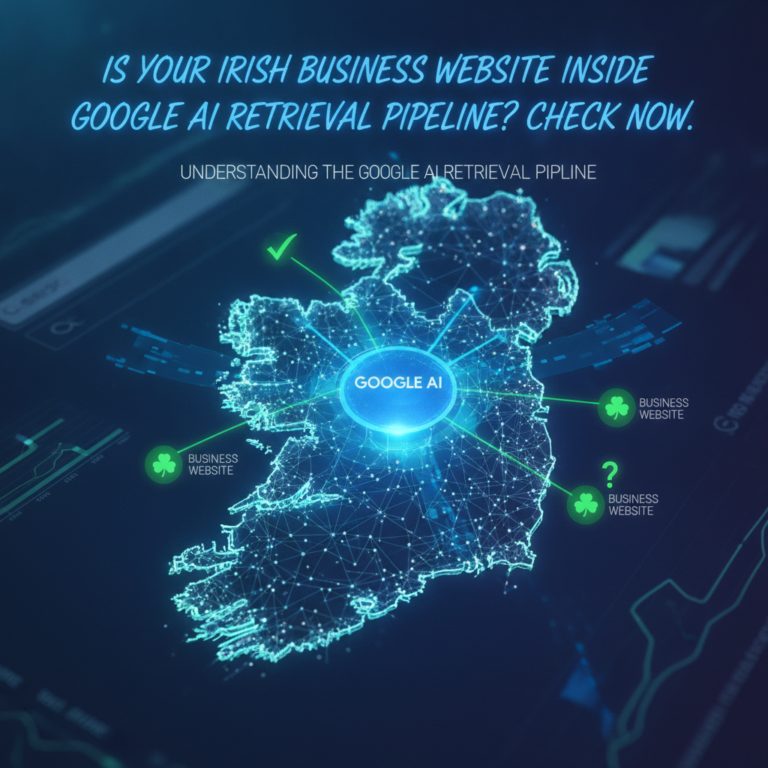 Is Your Irish Business Website Inside Google AI Retrieval Pipeline? Check Now
 Proven Tactics to Fix Your Irish Business Traffic Problem
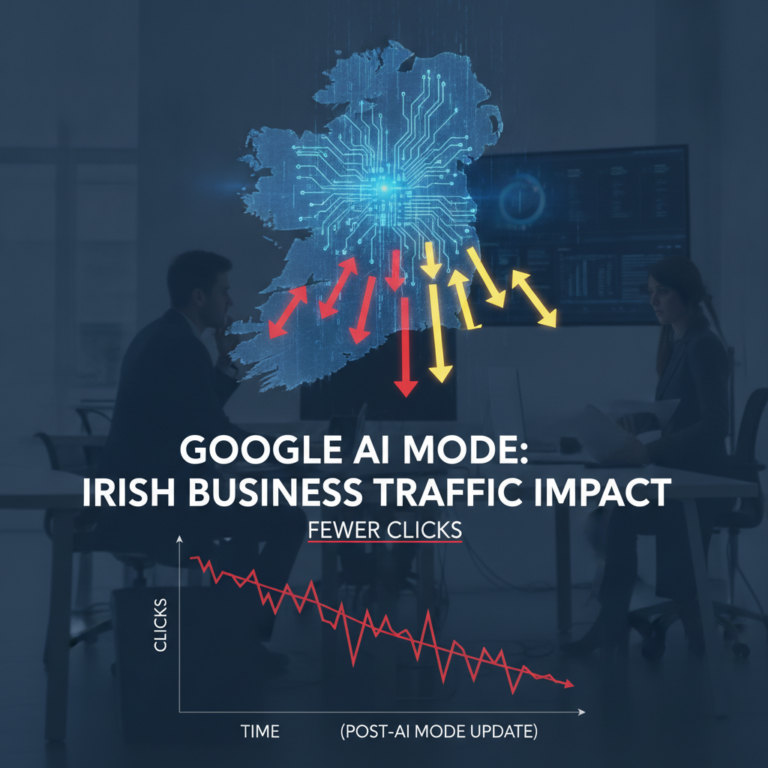 Google AI Mode Sends Fewer Clicks: Irish Business Traffic Impact Analysis
 40% Drop In Google Search: Effects On Irish Content Publishers
 Redditʼs Role in Googleʼs Irish Forum Results
 Integrating AI in Content Creation: Irish Digital Impact
 Google Analytics Hostname Filters: What Irish Marketers Must Know Now
 Google Indexing API Silent Failures: Crisis For Irish Job Board Sites