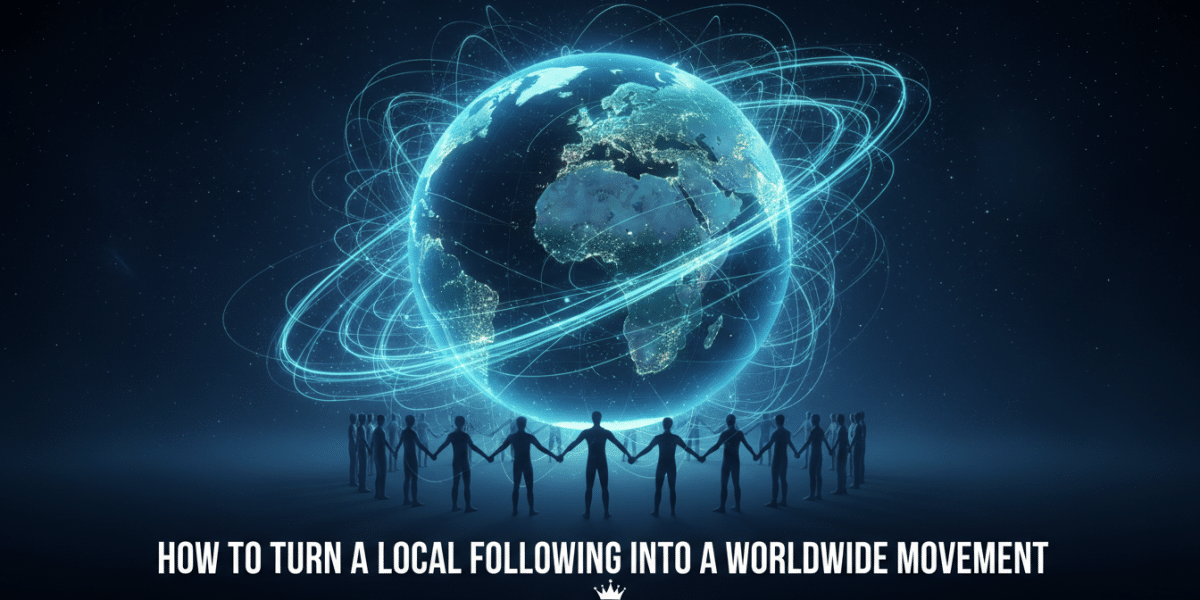
How to Turn a Local Following into a Worldwide Movement – Globe Boss
Building a community around a shared passion, cause, or product is challenging, but the rewards – impact, loyalty, and growth – are immeasurable. But what happens when your local community feels limited? What if the potential impact of your message far transcends geographic boundaries? The answer lies in transforming your local following into a global movement. While the transition requires a strategic shift and dedicated effort, it’s achievable with careful planning and execution. This article explores the key ingredients for scaling your local success and transforming it into a global force.
1. Defining Your Global Vision and Core Values:
Before even considering expanding your reach, it’s critical to solidify your core identity. This involves a deep understanding of:
- Your "Why": What is the underlying purpose that drives your community? Is it addressing a specific social issue, promoting a particular lifestyle, or providing access to a unique product? This "why" needs to resonate universally, transcending cultural nuances and local contexts. Revisit your initial mission statement and refine it to reflect a global perspective. For instance, a local food cooperative focused on organic farming might evolve its mission to champion sustainable food systems worldwide.
- Your Core Values: These are the guiding principles that dictate how you operate and interact with your community. Authenticity, inclusivity, transparency, and empathy are often foundational values that translate well across cultures. However, consider how these values might be interpreted differently in various regions. Ensure your communication reflects a sensitivity to diverse cultural norms and expectations.
- Your Target Audience (Globally): Understanding your ideal global audience is crucial. While your local following offers valuable insights, your global target audience might have different demographics, needs, and motivations. Conduct market research to identify these differences and tailor your messaging accordingly. Consider factors like language, culture, income levels, and access to technology.
- Your Unique Value Proposition: What makes your movement unique and compelling compared to others operating in the global space? Identify your competitive advantages and clearly articulate them in your messaging. This could be a unique methodology, a specific expertise, or a deeply ingrained community culture.
Once you have a clear and compelling vision, ensure it is explicitly communicated to your existing local following. Transparency is key. Let them know about your aspirations to expand globally and explain how their continued support will contribute to a larger, more impactful movement. This can foster a sense of ownership and encourage them to become early advocates for your global initiative.
2. Building a Global Brand Identity:
Your brand is more than just a logo; it’s the overall perception of your movement. To resonate globally, you need to create a brand identity that is:
- Consistent: Maintain a consistent brand voice, visual identity (logo, colors, typography), and messaging across all platforms and regions. This consistency builds brand recognition and trust. A well-defined brand style guide is essential for ensuring consistency across all communication channels.
- Adaptable: While consistency is important, your brand needs to be adaptable to different cultural contexts. This doesn’t mean compromising your core values, but rather tailoring your messaging and imagery to resonate with local audiences. For instance, a campaign that relies heavily on Western humor might not translate well in other cultures.
- Accessible: Ensure your brand is accessible to a global audience. This includes providing multilingual content, using inclusive language, and adhering to accessibility standards for websites and digital platforms.
- Authentic: Authenticity is paramount. Avoid cultural appropriation or making superficial attempts to appeal to different cultures. Instead, focus on genuine engagement and understanding. Showcase the diversity within your movement and celebrate the unique contributions of members from different backgrounds.
3. Leveraging Digital Platforms for Global Reach:
Digital platforms are the key to expanding your reach beyond geographical limitations. Here’s how to leverage them effectively:
- Website Localization: Translate your website into multiple languages to cater to different language speakers. Use professional translation services to ensure accuracy and cultural sensitivity. Consider using a Content Delivery Network (CDN) to improve website loading speeds in different regions.
- Multilingual Social Media Strategy: Don’t just translate your existing social media content. Develop a multilingual social media strategy that takes into account the different platforms and content preferences of your target audiences in different regions. Identify the most popular social media platforms in each region and tailor your content accordingly.
- Search Engine Optimization (SEO) for Global Markets: Optimize your website and content for relevant keywords in different languages to improve your search engine rankings in global markets. Conduct keyword research in each target language and use those keywords strategically in your website copy, blog posts, and social media content.
- Content Marketing with a Global Perspective: Create content that addresses the needs and interests of your global audience. This could include blog posts, articles, videos, infographics, and podcasts. Focus on topics that are relevant to your movement and that resonate with people from different cultural backgrounds. Consider creating content in multiple languages or using subtitles to reach a wider audience.
- Paid Advertising: Utilize paid advertising platforms like Google Ads and social media advertising to target specific demographics and regions. This can be a cost-effective way to reach a large audience and drive traffic to your website or social media profiles. Use geo-targeting to focus your advertising efforts on specific countries or regions.
- Online Community Building: Create online communities on platforms like Facebook Groups, Slack, or Discord to connect with people from around the world who share your passion or interest. These communities can provide a space for people to connect, share ideas, and support each other.
4. Building Strategic Partnerships:
Expanding globally often requires collaboration. Identify organisations, influencers, and individuals who share your values and can help you reach a wider audience.
- Identify Complementary Organizations: Seek out organisations operating in similar fields but with a different geographical focus. Partnering with these organisations can provide access to new networks and resources. Consider co-hosting events, cross-promoting each other’s content, or collaborating on joint projects.
- Engage with Global Influencers: Identify influencers in your niche who have a large and engaged following in your target markets. Collaborate with these influencers to create content, promote your movement, or participate in events. Ensure that the influencers you choose align with your values and brand identity.
- Empower Local Leaders: Identify and empower local leaders in different regions to act as ambassadors for your movement. These leaders can help you build relationships with local communities, translate your messaging, and organise events.
- Attend Global Conferences and Events: Participate in global conferences and events to network with potential partners and learn about new trends and opportunities. This can be a great way to raise awareness of your movement and connect with people from around the world.
5. Cultural Sensitivity and Localization:
Expanding globally requires a deep understanding of cultural nuances. Avoid making assumptions or generalizations about different cultures.
- Conduct Thorough Research: Before launching any initiatives in a new region, conduct thorough research on the local culture, customs, and traditions. This will help you avoid making mistakes that could damage your reputation or alienate potential supporters.
- Use Localized Language and Imagery: Translate your website, marketing materials, and social media content into the local language. Use imagery that is culturally appropriate and resonates with the local audience.
- Adapt Your Communication Style: Adjust your communication style to reflect the local culture. Be mindful of factors like formality, directness, and humor.
- Seek Feedback from Local Experts: Consult with local experts to ensure that your messaging and initiatives are culturally appropriate and effective. This could include translators, cultural consultants, or local community leaders.
- Respect Local Laws and Regulations: Be aware of the local laws and regulations in each region where you operate. This includes laws related to marketing, advertising, data privacy, and employment.
6. Measuring and Adapting:
Global expansion is an iterative process. Continuously monitor your progress and adapt your strategies based on the results.
- Track Key Metrics: Define key performance indicators (KPIs) that will help you measure the success of your global expansion efforts. These could include website traffic, social media engagement, lead generation, and sales.
- Analyze Data Regularly: Analyze your data regularly to identify trends and patterns. This will help you understand what’s working and what’s not.
- Gather Feedback: Solicit feedback from your global audience to understand their needs and preferences. This could include surveys, focus groups, or social media polls.
- Be Agile and Adaptable: Be prepared to adapt your strategies based on the data and feedback you receive. Don’t be afraid to experiment with new approaches and adjust your plans as needed. The global landscape is constantly evolving, so it’s important to be flexible and responsive to change.
- Celebrate Successes: Acknowledge and celebrate milestones along the way to maintain momentum and inspire your team and community. Sharing success stories helps foster a sense of shared accomplishment and encourages continued participation.
Turning a local following into a worldwide movement is a journey that requires careful planning, consistent effort, and a commitment to cultural sensitivity. By defining your global vision, building a strong brand identity, leveraging digital platforms, building strategic partnerships, and continuously measuring and adapting, you can successfully expand your reach and impact, becoming a Globe Boss in your chosen field.
Dublin's ROI-Driven Digital Marketing Agency Home
Related Posts
 Dundrum Local SEO: Rank Beside Irelandʼs Biggest Shopping Centre
 Dún Laoghaire SEO: Local Search for Coastal Businesses
 Howth SEO: Turn Tourist Searches Into Customers
 SEO FAQs for Irish Businesses: What to Expect | Globe Boss
 Ranelagh Local SEO: Attract Village Footfall Online
 Lucan Local SEO: Capture West Dublinʼs Growing Market
 Clontarf SEO: Local Search Tips for Dublin 3 Businesses
 Drumcondra Local SEO: How to Rank in Dublin 9