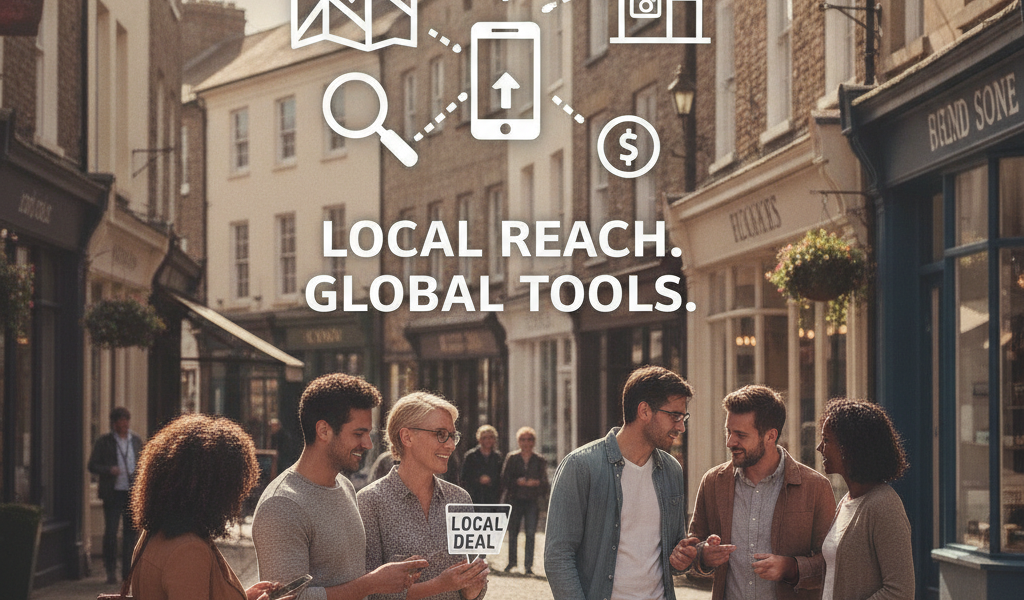
Understanding Local Business Marketing Strategies
Local business marketing strategies involve various techniques aimed at promoting businesses to a local audience. These strategies focus on attracting customers within a specific geographic area, often utilising local search engine optimisation (SEO), social media marketing, community involvement, and targeted advertising. For local businesses in Ireland, it’s crucial to understand and implement these strategies effectively to drive foot traffic and online engagement.
Importance of Local SEO
Local SEO should be the cornerstone of your marketing strategy. It helps your business appear in local search results when potential customers search for products or services you offer. According to Google, 46% of all searches are seeking local information. Here are practical steps to enhance local SEO for your business:
1. Optimise Your Google My Business Listing
- Create or Claim Your Listing: Ensure your business is listed on Google My Business (GMB). If listed, claim ownership.
- Complete Your Profile: Fill in all details including your business name, address, phone number, and website. Add business hours, categories, and attributes relevant to your business.
- Use Local Keywords: Integrate local keywords in your GMB description. For instance, use terms like “plumber in Dublin” or “best coffee shop in Galway.”
2. Gather Customer Reviews
Encourage satisfied customers to leave positive reviews on your GMB listing. Approximately 84% of people trust online reviews as much as personal recommendations. An effective approach is to:
- Ask After a Purchase: Prompt customers shortly after a transaction to leave a review.
- Make It Easy: Provide links to your GMB review section in your follow-up emails.
- Respond to Reviews: Engage with reviewers, thanking them for positive feedback and addressing any concerns from negative reviews.
3. Create Local Content
Develop content that resonates with your local audience. This could include blog posts, videos, or social media content that highlights local events, news, or specific community issues. For example:
- Write about local festivals, markets, or events relevant to your industry.
- Feature partnerships with local suppliers or businesses, showcasing community support.
Utilising Social Media for Local Engagement
Social media platforms are excellent channels to engage with your local community. Consider these strategies:
1. Facebook Local Awareness Ads
Facebook Local Awareness Ads enable you to reach customers within a specific radius around your business. Set a budget that suits your marketing plan and craft eye-catching ads promoting local offers or events. The average cost-per-click for Facebook ads in the UK is about £0.65, but prices vary based on competition and audience targeting.
2. Community-Based Campaigns
Engage in community sponsorships or local events. By sponsoring a local sports team or participating in a community fair, you not only increase brand visibility but also demonstrate your commitment to the local area.
Effective Use of Email Marketing
Email marketing remains a powerful tool for local businesses. Here are steps to create effective email campaigns:
1. Build a Quality Email List
Focus on collecting emails from customers in-store and online. Encourage sign-ups by offering discounts or exclusive content.
2. Personalised Campaigns
Tailor your email content based on customer preferences and behaviours. Include local offers and events to entice engagement.
3. Consistency is Key
Send newsletters regularly to keep your audience informed of promotions, new products, or upcoming events. A frequency of once a month is often effective.
Implementing Offline Marketing Strategies
While digital strategies drive significant results, offline marketing still holds value, particularly for local businesses.
1. Local Networking
Join local business groups or chambers of commerce. Networking with other local businesses can open doors for referrals and partnerships.
2. Print Materials
Create flyers, brochures, or business cards that feature promotions or local events. Distribute these in local cafés or main streets of your locality. Ensure to include clear calls to action prompting customers to visit your website or your physical location.
Evaluating Your Marketing Success
Frequent evaluation of your strategies is crucial. Use tools like Google Analytics and insights from your social media platforms to monitor performance.
1. Set Clear KPIs
- Monitor website traffic, focusing on local traffic using Google Analytics.
- Track foot traffic during promotions using in-store observation or incentivising customers to check-in on social media.
2. Adjust Strategies Accordingly
If certain strategies yield better results, adjust your focus. Marketing is an iterative process, and understanding what works for your local audience is vital.
Frequently Asked Questions (FAQs)
1. How long does it take to see results from local SEO?
Results can typically take 3 to 6 months to appear, depending on competition and the implementation of strategies.
2. What budget should I allocate for local marketing?
A budget of 7-10% of your revenue is commonly recommended for marketing. However, this can vary based on your growth phase and specific objectives.
3. Are reviews really that important?
Yes, online reviews significantly impact consumer decision-making. They enhance trust and improve local search engine rankings.
4. Is social media essential for local businesses?
Absolutely, social media helps connect with customers, showcase your business personality, and promote specials or events effectively.
5. Can I use direct mail for local marketing?
Yes, direct mail remains effective, especially when combined with digital strategies. Targeted postcards to local residents can drive traffic to your store.
Conclusion
Implementing local business marketing strategies is essential for reaching your target audience and driving success. By optimising your online presence, engaging with your community, and analysing your efforts, you can create an effective marketing plan tailored specifically for your locality. For additional support, consider utilising services such as free SEO audit offered by Globe Boss or check out The Traffic Playbook for comprehensive insights into driving traffic.
For more information or personalised assistance, email moc.ssobebolg@ofni or call +353 1 868 2345.
Related Posts
 South Dublin Local SEO Marketing Agency
 Local SEO Strategies Dublin
 How Google Ads Can Dominate Your Local Market
 How to get local backlinks for Dublin businesses?
 Local SEO strategies for plumbers and other trades
 SE0 strategies for Irish businesses in Dublin
 SEO strategies for restaurants
 SEO strategies
for irish businesses in dublin