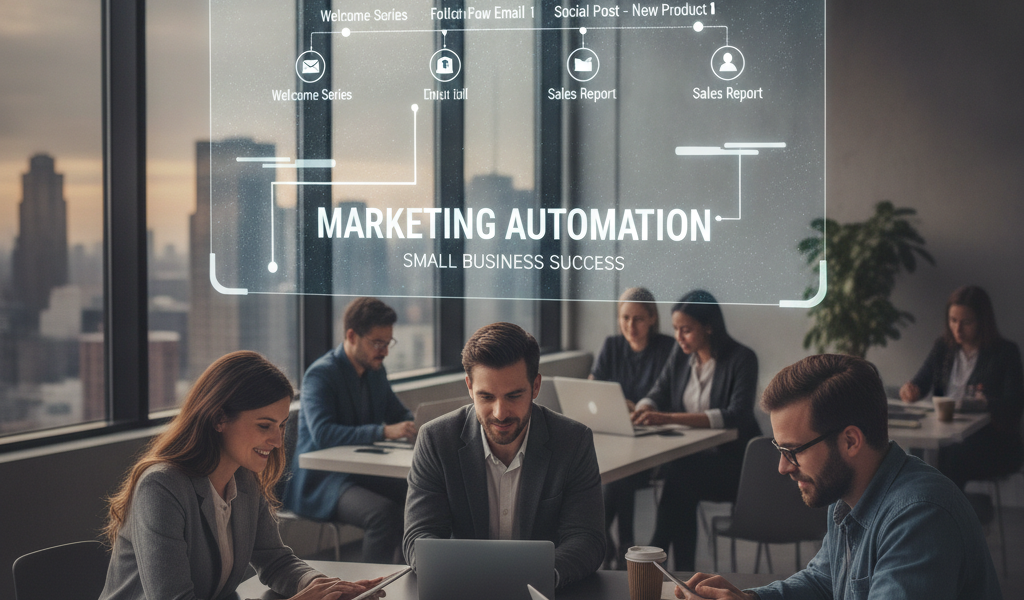
Understanding Marketing Automation for Small Businesses
Marketing automation is a powerful tool that allows small businesses to streamline their marketing efforts, making it easier to engage with customers, track campaigns, and analyse data. By utilising marketing automation tools, small business owners can focus on growing their business while automating repetitive tasks such as email marketing, social media posting, and ad management. This means more time to concentrate on core business activities, better lead nurturing, and improved return on investment (ROI).
Benefits of Marketing Automation for Small Businesses
Adopting marketing automation can provide numerous benefits specifically tailored to small businesses:
- Time Efficiency: Automating routine tasks can save significant time, allowing you to focus on strategic planning and execution.
- Improved Customer Engagement: Personalised communication increases customer satisfaction and loyalty.
- Ability to Scale: Marketing automation allows businesses to grow without the need for proportional increases in staff or resources.
- Better Analytics: You can track the performance of campaigns in real-time, allowing for data-driven decision-making.
How to Start with Marketing Automation
Implementing marketing automation doesn’t have to be overwhelming. Here’s a step-by-step guide to get started:
Step 1: Define Your Goals
Start by identifying what you’d like to achieve with marketing automation. This could include:
- Generating more leads
- Improving conversion rates
- Enhancing customer retention
Step 2: Choose the Right Tools
There are numerous marketing automation tools available, such as Mailchimp, HubSpot, and ActiveCampaign. Choose one that fits your budget and meets your specific needs. For small businesses, it’s important to look for user-friendly platforms that offer a range of functions including:
- Email marketing
- Customer relationship management (CRM)
- Social media management
For example, HubSpot offers a free version that can be particularly beneficial for small businesses.
Step 3: Integrate Your Tools
Ensure that your marketing automation platform integrates smoothly with your existing tools. If you’re using a CRM, email service provider, or e-commerce platform, look for automation software that can easily connect with these tools. Integration can help centralise customer data, making it easier to manage campaigns effectively.
Step 4: Segment Your Audience
Segmentation is crucial for personalisation. Divide your audience into groups based on criteria such as demographics, purchasing behaviour, or engagement levels. This allows you to tailor your messages and offers to fit the unique needs of each segment. Research indicates that personalised emails can improve click-through rates by as much as 14% and conversion rates by 10%.
Step 5: Create Compelling Content
Your marketing efforts will only be as good as the content you share. Focus on creating valuable, relevant content tailored to your audience. This could involve:
- Blog posts
- Newsletters
- Social media posts
Consistency is key, so develop a content calendar to keep your output regular and planned.
Step 6: Automate Your Campaigns
Using your marketing automation tools, set up automated campaigns that reach your audience at optimal times. For instance, consider launching:
- Welcome email series for new subscribers
- Abandoned cart reminders for e-commerce customers
- Re-engagement campaigns for inactive users
Step 7: Monitor and Adjust
Once your automation is in place, regularly monitor your campaigns to see how they’re performing. Most marketing automation tools offer analytics that can help you track key metrics like open rates, click rates, and conversion rates. Use this data to make informed decisions and tweak your campaigns for better performance.
Real Numbers and Timelines
A successful marketing automation strategy won’t produce overnight results. Typically, businesses might expect to see progressive improvements over a period of 3 to 6 months. For instance, according to studies, businesses that utilise automation see a 14.5% increase in sales productivity and a 12.2% reduction in marketing overhead.
Irish Context
For small businesses in Ireland, understanding local practices and customer behaviours is crucial. Depending on your sector, you might consider specific campaigns during traditional buying seasons such as Christmas or Back to School. Tools like a free SEO audit can also help refine your digital strategy, ensuring you’re targeting the right audience effectively.
FAQ
What is marketing automation?
Marketing automation refers to software platforms and technologies designed to bring together, manage, and execute marketing tasks across various channels automatically.
How much does marketing automation cost?
Costs can vary widely based on the tool you choose and the features you require. Some platforms offer free tiers, while others can cost upwards of €300 per month for comprehensive features.
Can small businesses benefit from marketing automation?
Absolutely! Marketing automation can help small businesses save time, improve efficiency, and ultimately drive sales without requiring a larger workforce.
How long does it take to see results from marketing automation?
Most businesses start to see initial results within 3 to 6 months, although this can vary depending on the complexity of the campaigns and the industry.
Is it difficult to implement marketing automation?
While there is a learning curve, many marketing automation tools are designed to be user-friendly. With the right resources and support, small businesses can successfully implement these solutions.
Conclusion
Marketing automation is a valuable strategy for small businesses looking to optimise their marketing efforts while saving time and resources. By following the outlined steps and continuously refining your approach based on data, you can successfully engage with your audience and drive growth. For more insights and practical strategies, consider checking out The Traffic Playbook. If you have any questions or would like to discuss your needs further, feel free to email moc.ssobebolg@ofni or call +353 1 868 2345.
Related Posts
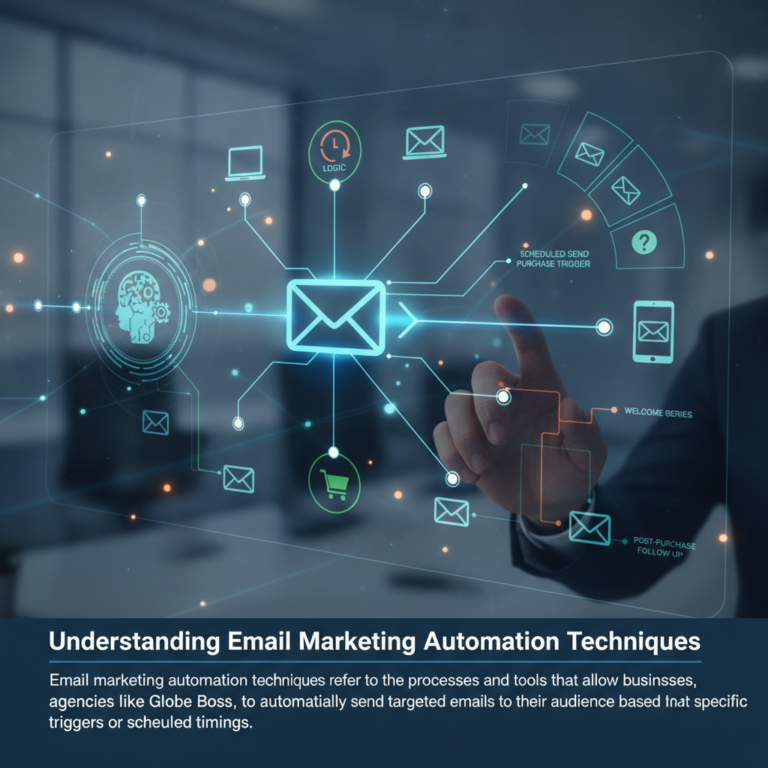 Email Marketing Automation Techniques
 Automated Marketing Solutions
 Enhancing Marketing with AI Video Execution and Industry Insights
 Marketing Automation Stack The Irish Business Blueprint for Efficiency
 AIʼs Impact on B2B Marketing Automation
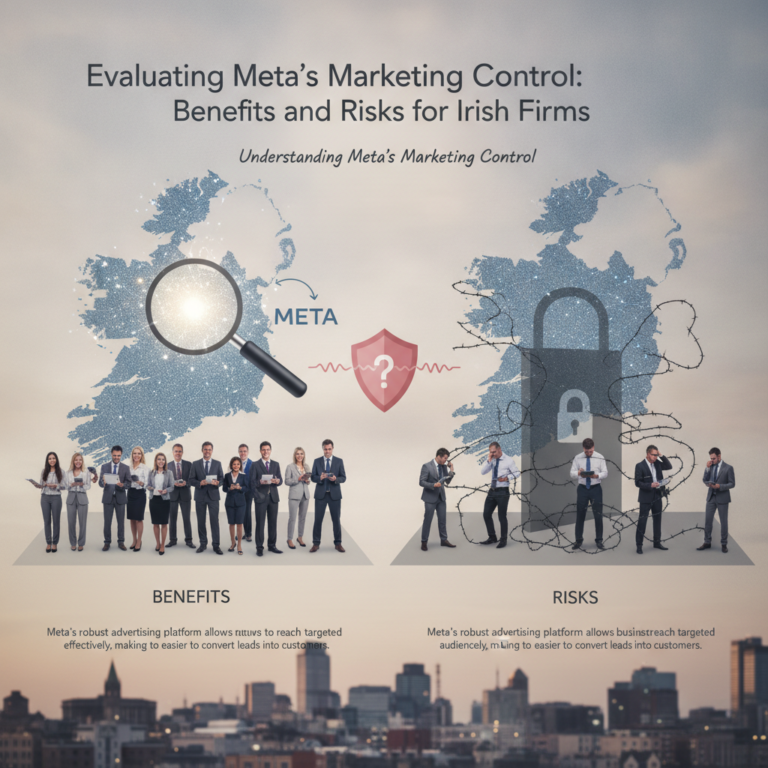 Evaluating Metaʼs Marketing Control: Benefits and Risks for Irish Firms
 Why Your Irish Business Needs a Video Series Strategy
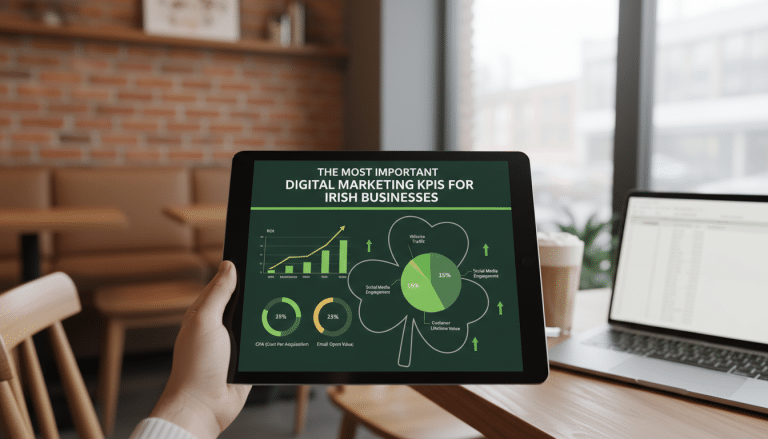 The Most Important Digital Marketing KPIs for Irish Businesses