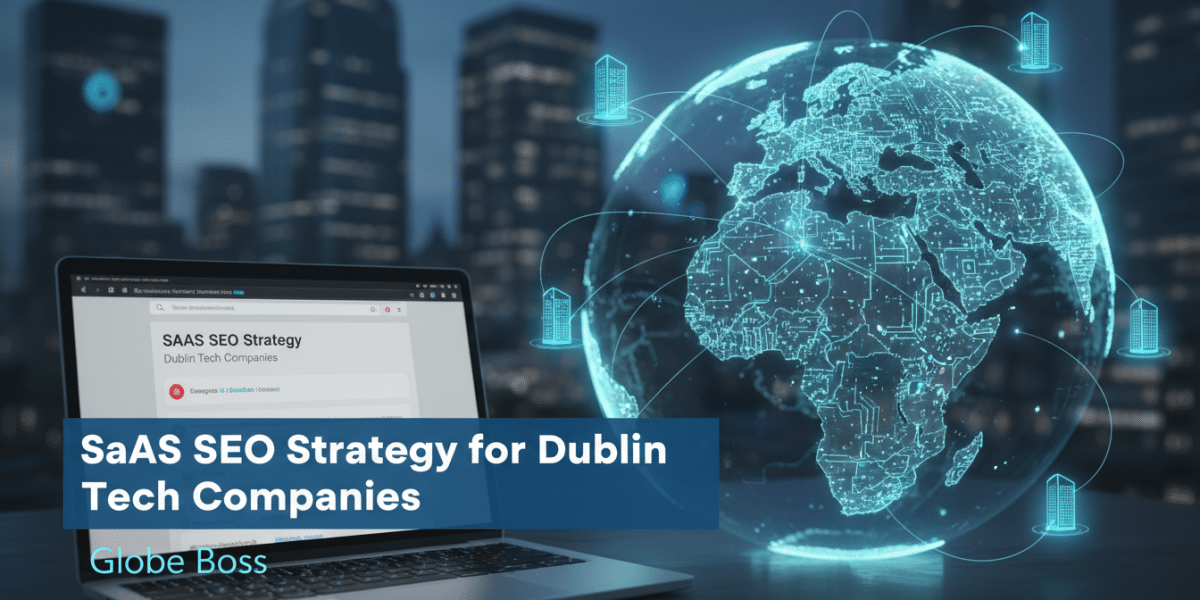
SaaS SEO Strategy for Dublin Tech Companies – Globe Boss
Dublin’s tech scene is booming. From established giants to innovative startups, the city is a hub for SaaS businesses. However, thriving in this competitive landscape requires more than just a great product; it demands a robust SEO strategy that drives qualified leads and builds brand authority. Globe Boss, a leading SEO consultancy specializing in SaaS, understands the unique challenges and opportunities facing Dublin’s tech companies. This article outlines a comprehensive SaaS SEO strategy tailored specifically for the Dublin market, focusing on leveraging local expertise, addressing regional nuances, and maximizing ROI.
Understanding the SaaS SEO Landscape: Why Traditional SEO Isn’t Enough
While fundamental SEO principles like keyword research and link building remain crucial, SaaS SEO requires a more nuanced approach than traditional SEO for several key reasons:
- Longer Sales Cycles: SaaS sales often involve demos, trials, and multiple decision-makers, resulting in longer sales cycles. SEO strategies need to nurture leads through the funnel, not just generate immediate conversions.
- Complex Product Offerings: SaaS products are often feature-rich and cater to specific industries or use cases. SEO strategies must effectively communicate the value proposition and target the right user segments.
- Focus on User Engagement: SaaS success hinges on customer retention. SEO should attract users likely to actively engage with the product and become long-term subscribers.
- Content-Driven Marketing: SaaS relies heavily on content to educate users, showcase product capabilities, and build thought leadership. SEO must be integrated with content marketing efforts.
- Technical SEO Challenges: SaaS platforms often have complex architectures and dynamic content, posing technical SEO challenges that require specialized expertise.
The Globe Boss SaaS SEO Framework for Dublin Tech Companies
Globe Boss’s SaaS SEO framework for Dublin tech companies comprises several key pillars:
1. In-Depth Keyword Research & Market Analysis (Dublin-Specific):
- Identifying Target Audience: Understanding your ideal customer is paramount. This involves creating detailed buyer personas that define their demographics, pain points, search behaviors, and online habits. For Dublin-based SaaS companies, this requires considering the specific industries prevalent in the region (e.g., Fintech, Healthcare, Cybersecurity) and their unique needs.
-
Keyword Mapping: The keyword mapping process goes beyond generic terms. We identify keywords related to:
- Problem-Solution Fit: Keywords that potential customers use when searching for solutions to problems your SaaS product solves. Examples: "project management software for remote teams ireland," "accounting software for small businesses dublin," "cloud-based crm for sales teams in ireland."
- Feature-Specific Queries: Keywords related to specific features or functionalities of your SaaS product. Examples: "automated invoice generation," "real-time project tracking," "multi-user collaboration platform."
- Industry-Specific Keywords: Keywords relevant to the industries your SaaS product serves. Examples: "healthcare data analytics platform," "fintech compliance software," "cybersecurity threat intelligence solution."
- Competitor Analysis: Analyzing your competitors’ keyword strategies to identify opportunities and gaps in your own keyword portfolio. This includes understanding which keywords they are ranking for, the content they are creating, and their link building efforts.
- Long-Tail Keywords: Focusing on longer, more specific keyword phrases that have lower search volume but higher conversion rates. Examples: "best project management software for construction companies in dublin," "affordable accounting software for startups in ireland," "secure cloud storage for sensitive data in healthcare."
-
Local Keyword Optimization: Recognizing the importance of local search for Dublin-based businesses. This involves targeting keywords that include location-specific terms and optimising your Google My Business profile. Examples: "SaaS company Dublin," "Tech startup Dublin," "Cloud solutions Ireland."
- Semantic Keyword Clustering: Grouping keywords into thematic clusters based on user intent. This allows you to create comprehensive content that addresses all aspects of a particular topic, improving your search ranking and user experience.
2. On-Page Optimization: Building a User-Centric & SEO-Friendly Website
- Technical SEO Audit: Conducting a thorough technical SEO audit to identify and fix issues that may be hindering your website’s performance in search results. This includes:
- Site Speed Optimization: Improving website loading speed, which is a crucial ranking factor. This can involve optimising images, leveraging browser caching, and using a Content Delivery Network (CDN). Globe Boss often recommends using tools like Google PageSpeed Insights and GTmetrix to analyse website speed and identify areas for improvement.
- Mobile-Friendliness: Ensuring your website is fully responsive and provides a seamless user experience on all devices. Google prioritizes mobile-first indexing, so a mobile-friendly website is essential for SEO success.
- Crawlability & Indexability: Ensuring search engine crawlers can easily access and index all important pages on your website. This includes creating an XML sitemap and submitting it to Google Search Console, optimising your robots.txt file, and addressing any crawl errors.
- Structured Data Markup: Implementing structured data markup (schema.org) to provide search engines with more context about your content. This can help improve your website’s visibility in search results and enhance its appearance in rich snippets.
-
Content Optimization: Optimizing your website content to align with your target keywords and user intent. This includes:
- Keyword Integration: Strategically incorporating keywords into your page titles, meta descriptions, headings, and body text. However, avoid keyword stuffing, which can negatively impact your search ranking.
- Compelling Meta Descriptions: Crafting compelling meta descriptions that accurately describe the content of each page and entice users to click on your search results.
- High-Quality Content: Creating informative, engaging, and valuable content that meets the needs of your target audience. This includes blog posts, case studies, white papers, and other types of content that showcase your expertise and thought leadership.
- Internal Linking: Creating a strong internal linking structure to guide users and search engine crawlers through your website. This helps improve your website’s crawlability and distribute link equity throughout your site.
- User Experience (UX) Optimization: Optimizing your website for user experience to increase engagement and reduce bounce rates. This includes:
- Clear Navigation: Designing a clear and intuitive navigation structure that allows users to easily find the information they are looking for.
- Call-to-Actions (CTAs): Including clear and compelling calls-to-action on every page to guide users towards desired actions, such as signing up for a free trial or requesting a demo.
- Mobile-First Design: Prioritizing the mobile user experience when designing your website.
- Accessibility: Ensuring your website is accessible to users with disabilities.
3. Content Marketing: Driving Organic Traffic & Building Thought Leadership
- Developing a Content Calendar: Creating a comprehensive content calendar that outlines the topics, formats, and publishing schedule for your content. This ensures that you are consistently creating high-quality content that aligns with your overall SEO strategy.
- Creating Different Content Formats: Diversifying your content formats to appeal to different learning styles and preferences. This includes:
- Blog Posts: Creating informative and engaging blog posts on topics relevant to your target audience.
- Case Studies: Showcasing the success of your SaaS product with real-world examples.
- White Papers: Providing in-depth analysis and insights on industry trends.
- Ebooks: Creating comprehensive guides on specific topics related to your SaaS product.
- Infographics: Visualizing data and information in an engaging and easily digestible format.
- Videos: Creating video tutorials, product demos, and thought leadership content.
- Podcasts: Hosting a podcast to discuss industry trends and share your expertise.
- Content Promotion: Promoting your content through various channels, including:
- Social Media: Sharing your content on relevant social media platforms.
- Email Marketing: Sending email newsletters to your subscribers with links to your latest content.
- Influencer Outreach: Reaching out to influencers in your industry to promote your content.
- Paid Advertising: Using paid advertising to reach a wider audience with your content.
- Content Localization: Adapting your content for the Dublin market by using local language and references. This can help improve your website’s visibility in local search results and increase engagement with your target audience. Consider translating your content into Irish (Gaeilge) where appropriate, especially for sectors with strong cultural ties.
4. Link Building: Earning Authority & Driving Referral Traffic
- Developing a Link Building Strategy: Creating a comprehensive link building strategy that outlines the types of links you will target, the methods you will use to acquire them, and the metrics you will track to measure your success.
- Earning High-Quality Backlinks: Focusing on earning backlinks from reputable and relevant websites. This includes:
- Guest Blogging: Writing guest posts for other websites in your industry.
- Broken Link Building: Identifying broken links on other websites and offering to replace them with links to your content.
- Resource Link Building: Creating valuable resources that other websites will want to link to.
- HARO (Help a Reporter Out): Responding to media inquiries from journalists and bloggers to earn backlinks and mentions in their articles.
- Local Link Building: Focusing on acquiring backlinks from local Dublin-based websites and organisations. This can help improve your website’s visibility in local search results and build your brand’s reputation in the Dublin market. Examples include:
- Dublin Chamber of Commerce Directory: Listing your business in the Dublin Chamber of Commerce directory.
- Local Industry Associations: Joining and participating in local industry associations to earn backlinks and build relationships with other businesses.
- Sponsoring Local Events: Sponsoring local events and organisations to earn backlinks and increase brand awareness.
- Partnering with Local Businesses: Collaborating with other local businesses to create joint content and cross-promote each other’s websites.
5. Local SEO: Dominating the Dublin Market
- Google My Business Optimization: Claiming and optimising your Google My Business profile with accurate and up-to-date information, including your business name, address, phone number, website, and hours of operation.
- Local Citations: Building local citations by listing your business in online directories and business listings, such as Yelp, Foursquare, and Yell.ie. Ensure consistency in your NAP (Name, Address, Phone Number) information across all citations.
- Local Reviews: Encouraging customers to leave positive reviews on your Google My Business profile and other review platforms. Responding to reviews, both positive and negative, shows that you value your customers’ feedback.
- Local Content: Creating content that is specifically targeted to the Dublin market. This includes blog posts, case studies, and other types of content that address the needs and interests of local customers.
- Schema Markup for Local Business: Implementing schema markup to provide search engines with more context about your local business, such as your address, phone number, and hours of operation.
6. Analytics & Reporting: Measuring Success & Refining Your Strategy
- Setting Up Tracking: Implementing Google Analytics and Google Search Console to track your website’s performance in search results and monitor key metrics, such as organic traffic, keyword rankings, and conversion rates.
- Monitoring Key Metrics: Regularly monitoring key metrics to identify trends and patterns in your website’s performance. This includes:
- Organic Traffic: Tracking the amount of traffic that comes to your website from organic search results.
- Keyword Rankings: Monitoring your website’s ranking for target keywords.
- Conversion Rates: Measuring the percentage of visitors who complete desired actions, such as signing up for a free trial or requesting a demo.
- Bounce Rate: Tracking the percentage of visitors who leave your website after viewing only one page.
- Time on Page: Measuring the average amount of time visitors spend on your website.
- Regular Reporting: Generating regular reports to track your progress and identify areas for improvement.
- Data-Driven Decisions: Using data to make informed decisions about your SEO strategy and refine your approach over time. Globe Boss emphasizes a data-driven approach, using insights to adapt strategies and maximize ROI for Dublin-based SaaS clients. A/B testing different strategies, analysing user behavior, and continuously optimising your approach based on the data are critical.
Globe Boss’s Differentiators for Dublin Tech Companies
- Local Expertise: Deep understanding of the Dublin tech landscape, including its unique challenges and opportunities.
- SaaS Focus: Specialized expertise in SaaS SEO, with a proven track record of success.
- Data-Driven Approach: Emphasis on data analysis and measurable results.
- Customized Strategies: Tailored SEO strategies to meet the specific needs of each client.
- Transparent Communication: Open and honest communication throughout the SEO process.
- Long-Term Partnership: Commitment to building long-term partnerships with clients.
By implementing this comprehensive SaaS SEO strategy, Dublin tech companies can significantly improve their online visibility, attract qualified leads, and achieve sustainable growth. Globe Boss is uniquely positioned to help these companies navigate the complexities of SaaS SEO and achieve their business goals in the competitive Dublin market. The firm’s deep understanding of the local ecosystem, combined with its expertise in SaaS SEO, makes it the ideal partner for Dublin tech companies looking to dominate the search results and build a strong online presence.
Related Posts
 What certifications do Dublin tech companies look for in 2026?
 Dublin Content Marketing Strategies
 Globe Boss: Digital Strategy for Dublin Brands
 Globe Boss: Content Strategy Agency Dublin
 TikTok SEO Strategy Globe Boss Dublin 2026
 2026 Zero Click Search Strategy Globe Boss Dublin
 How to Grow Your Dublin Business on Instagram in 2026
 Professional Google Rankings Strategy for Dublin Firms