
The Story of the Keyword That Changed a Company’s Destiny: Globe Boss and the Power of "Affordable Employee Monitoring"
The story of Globe Boss isn’t just another tale of startup success. It’s a compelling narrative about how understanding user intent, embracing a niche, and relentlessly optimising for a single, potent keyword can fundamentally alter a company’s trajectory. In the crowded landscape of business solutions, Globe Boss distinguished itself not by offering everything to everyone, but by laser-focusing on a specific need within the employee monitoring space: affordability. The journey, fraught with challenges and fueled by data-driven decisions, highlights the transformative power of the keyword "affordable employee monitoring."
Globe Boss began like many SaaS startups – with a promising product and a burning desire to disrupt a market. Their software offered a comprehensive suite of employee monitoring features, including time tracking, activity logging, website and application monitoring, and productivity reporting. They believed in their product, boasting its robust capabilities and user-friendly interface. However, they quickly realized that features alone weren’t enough to cut through the noise.
Early marketing efforts were broad and unfocused. They targeted general keywords like "employee monitoring software," "productivity tracking," and "time management solutions." While these keywords garnered some traffic, the conversion rates were disappointing. They were competing against established giants with significantly larger marketing budgets and brand recognition. The results were diluted, and the cost per acquisition (CPA) was prohibitively high.
Founders Mark Olsen and Sarah Chen, both seasoned entrepreneurs, recognized they needed a different approach. They delved deeper into their customer data, analysing who was actually using their software and what their primary motivations were. A pattern emerged. Many of their early adopters were small and medium-sized businesses (SMBs) with limited budgets. These companies weren’t necessarily looking for the most feature-rich or enterprise-grade solution. They needed something that provided essential monitoring capabilities at a price point they could afford.
This realization was the catalyst for a significant strategic shift. Mark and Sarah understood that they couldn’t compete head-to-head with the industry titans on a broad battlefield. They needed to carve out a niche, a segment of the market that they could dominate. That niche, they discovered, was the market for affordable employee monitoring.
The pivot wasn’t immediate. There was internal debate. Some team members argued that focusing on affordability would devalue the product and attract only low-paying customers. Others worried about limiting their potential market size. But Mark and Sarah were convinced that the potential upside outweighed the risks. They believed that by addressing a specific, unmet need in the market, they could build a loyal customer base and establish a strong brand identity.
The decision was made: Globe Boss would become synonymous with "affordable employee monitoring."
The first step was to overhaul their website and marketing materials. The messaging shifted from emphasizing a comprehensive feature set to highlighting affordability and value. The homepage prominently featured the phrase "Affordable Employee Monitoring for Small Businesses" and clearly outlined the pricing structure, emphasizing the value proposition for budget-conscious companies.
The keyword research became incredibly focused. Instead of targeting broad terms like "employee monitoring," they concentrated on variations of "affordable employee monitoring," including:
- "Cheap employee monitoring software"
- "Budget-friendly employee monitoring"
- "Employee monitoring for small business affordable"
- "Affordable employee tracking software"
They also researched long-tail keywords that reflected specific needs and pain points of their target audience, such as:
- "Affordable employee monitoring for remote teams"
- "Affordable time tracking with employee monitoring"
- "Best affordable employee monitoring software for startups"
The SEO strategy was meticulously crafted around these keywords. They optimised website content, meta descriptions, and image alt tags. They created blog posts and articles that addressed the challenges faced by SMBs when implementing employee monitoring solutions, providing practical advice and showcasing how Globe Boss offered a cost-effective alternative.
They also invested in pay-per-click (PPC) advertising, specifically targeting their chosen keywords on Google Ads and other relevant platforms. While competing for these keywords still required a budget, the competition was less fierce than for the broader, more generic terms. This allowed them to achieve a higher ad rank and lower cost per click (CPC), resulting in a significantly improved return on investment (ROI).
One of the most effective strategies they implemented was content marketing. They created a series of blog posts, infographics, and webinars that addressed the concerns and questions of SMB owners regarding employee monitoring. These resources provided valuable information and established Globe Boss as a thought leader in the affordable employee monitoring space.
For example, one blog post titled "The Myth of Expensive Employee Monitoring: How SMBs Can Afford to Protect Their Assets" debunked the common misconception that employee monitoring was only accessible to large corporations. It highlighted the benefits of employee monitoring for SMBs, such as increased productivity, improved security, and reduced risk of internal theft, and showcased how Globe Boss provided a cost-effective solution.
Another popular piece of content was an infographic titled "5 Ways Affordable Employee Monitoring Can Boost Your Bottom Line." This visual representation of the benefits of Globe Boss was easily shareable on social media and generated significant leads.
The impact of the keyword-focused strategy was dramatic. Website traffic increased significantly, and the conversion rate skyrocketed. The cost per acquisition plummeted, making their marketing efforts far more efficient. Globe Boss started attracting exactly the type of customer they were targeting – SMBs with limited budgets who were looking for a reliable and affordable employee monitoring solution.
The positive results fueled further optimisation. They continuously monitored their keyword rankings, website traffic, and conversion rates, making adjustments to their SEO and PPC campaigns as needed. They also actively solicited feedback from their customers, using it to improve their product and refine their messaging.
They discovered that "affordable" didn’t just mean "cheap." It also meant "value for money." Customers wanted a solution that was not only budget-friendly but also provided essential features and reliable performance. Globe Boss responded by focusing on the core functionality of their software, ensuring that it was user-friendly, efficient, and effective.
They also placed a strong emphasis on customer support. They understood that SMB owners often lacked the technical expertise of larger enterprises. They provided responsive and helpful support to ensure that their customers could easily implement and use their software. This commitment to customer satisfaction led to high retention rates and positive word-of-mouth referrals.
Over time, Globe Boss’s reputation as the go-to solution for affordable employee monitoring grew. They became a trusted resource for SMBs looking to improve productivity, enhance security, and protect their assets. They were featured in industry publications and recognized as a leader in the affordable employee monitoring space.
The success of Globe Boss is a testament to the power of niche marketing and the importance of understanding user intent. By focusing on the specific need for affordable employee monitoring, they were able to differentiate themselves from the competition and build a thriving business. The story highlights the strategic advantage of identifying a valuable keyword and relentlessly optimising all aspects of the business, from product development to marketing, around that central theme. They proved that sometimes, less is more, and focusing on a specific niche can lead to greater success than trying to be everything to everyone.
Related Posts
 Keyword Mapping: Assign the Right Term to the Right Page
 Tracking keyword rankings
 Top SEO tools for keyword research
 Why you
should target zero search volume keywords
Why you
should target zero search volume keywords Long tail
keywords how to find and use them for SEO
Long tail
keywords how to find and use them for SEO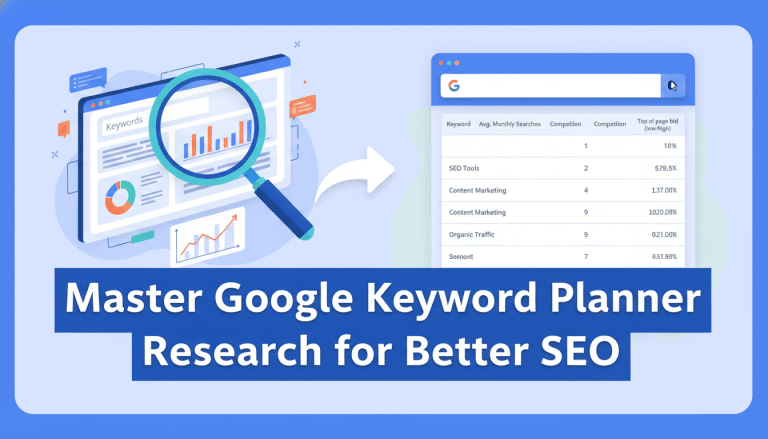 Master Google Keyword Planner Research for Better SEO
 Regional Keyword Strategy Ireland
 How to choose and find the best long tail keywords