
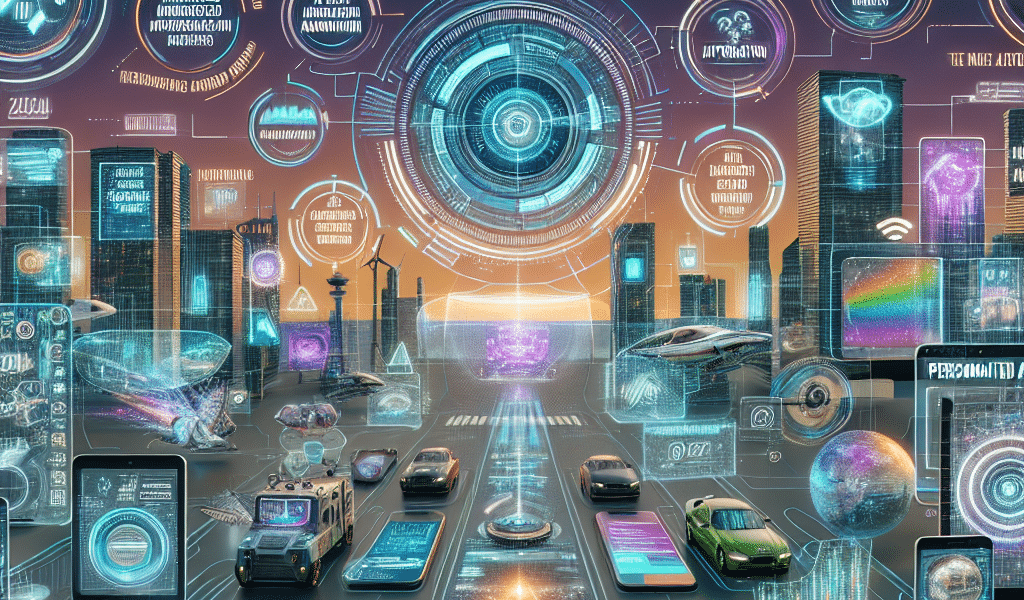
Digital marketing is an ever-evolving field shaped by technology, consumer behavior, and market demands. As we edge closer to 2026, it’s crucial for businesses and marketers to stay ahead of the curve by understanding emerging trends that are likely to impact the industry. In this article, we will explore the top digital marketing trends to watch in 2026, emphasizing technological advancements, shifts in consumer behavior, and the strategies that businesses are likely to adopt.
1. The Rise of AI-Driven Marketing
Artificial intelligence (AI) has been a game changer in digital marketing, and its influence is set to deepen by 2026. AI technologies such as machine learning, natural language processing, and advanced analytics will enable marketers to create more personalized and efficient campaigns.
Personalization at Scale
AI allows marketers to analyse vast amounts of consumer data to deliver hyper-personalized experiences. By 2026, advanced algorithms will provide insights not just into what products consumers are likely to buy but also into their motivations, preferences, and behaviors. This will enable brands to deliver tailored content, product recommendations, and offers, enhancing customer experience and loyalty.
Chatbots and Virtual Assistants
Chatbots will become increasingly sophisticated, leveraging AI to provide real-time assistance and customer service. By 2026, brands that implement AI-driven chatbots will benefit from improved customer engagement, reduced response times, and the ability to handle complex queries. Moreover, the integration of these chatbots into various messaging platforms will create new avenues for customer interaction.
Predictive Analytics
Predictive analytics will enable marketers to anticipate consumer behavior, allowing for proactive marketing strategies. By analysing historical data and current trends, businesses can tailor their campaigns to effectively address upcoming challenges and opportunities in the marketplace.
2. Enhanced Video Marketing
Video content has become a cornerstone of digital marketing, and this trend will amplify in 2026. The shift toward video is not merely a matter of preference; it plays a crucial role in user engagement and SEO.
Short-Form Video Content
The popularity of platforms like TikTok and Instagram Reel has increased demand for short, engaging video content. By 2026, businesses will need to leverage these formats to connect with younger audiences who favor quick, digestible content. Brands will experiment with storytelling techniques that convey messages effectively within a few seconds.
Interactive Video Experiences
Interactive videos that allow users to engage with content—whether through quizzes, clickable links, or branching narratives—will become standard. This will not only enhance engagement but also provide valuable insights into consumer preferences and behavior.
Live Streaming and Real-Time Engagement
Live streaming will continue to gain traction, allowing brands to create authentic connections with their audiences. By 2026, live events will be integrated into marketing strategies, offering real-time interaction opportunities, product launches, and Q&A sessions that humanize the brand and drive engagement.
3. Voice Search and Smart Speakers
As voice technology becomes more widespread, marketers must adapt their strategies to cater to voice search. By 2026, an increasing number of consumers will rely on voice-activated devices to conduct searches, make purchases, and interact with content.
Optimizing for Voice Search
SEO strategies will need to pivot to accommodate conversational queries. Instead of focusing solely on keywords, marketers will prioritize long-tail phrases and natural language processing. This could involve creating FAQ-style content that answers specific questions customers are asking.
Voice-Activated Shopping
The integration of e-commerce with voice technology will revolutionize how consumers shop online. By 2026, brands will need to optimise their online stores for voice-activated purchases, ensuring a smooth and secure transaction process.
4. Augmented Reality (AR) and Virtual Reality (VR)
AR and VR technologies will reshape customer experiences by 2026, allowing consumers to interact with products in a more immersive way.
Try Before You Buy
Brands in fashion, furniture, and beauty will employ AR to allow consumers to visualize products in their own environment. For example, AR apps can let users see how a piece of furniture will look in their living room or how a shade of lipstick will appear on their skin. This enhanced decision-making process not only increases consumer confidence but also reduces return rates.
Immersive Experiences Through VR
Virtual reality marketing campaigns that provide immersive experiences will set brands apart. Companies could create VR environments where customers can virtually walk through a store or attend a live event. Such experiences can build emotional connections and enhance brand loyalty.
5. Sustainability and Ethical Marketing
As consumers become more environmentally conscious, businesses will need to adopt sustainable practices in their marketing strategies. By 2026, ethical marketing will become a standard expectation rather than a differentiator.
Transparency in Marketing
Customers will demand transparency regarding the environmental impact and sourcing of products. Brands that provide detailed information about their supply chains, manufacturing processes, and sustainability efforts will build trust and loyalty.
Eco-Friendly Campaigns
Marketing campaigns that emphasize eco-friendliness and sustainability will resonate more with consumers. Brands that incorporate sustainable messaging will not only appeal to environmentally conscious customers but also set their companies apart in competitive markets.
6. The Importance of Data Privacy
As digital marketing grows, so does the focus on data privacy. By 2026, consumers will be more aware of how their data is collected and used, prompting marketers to adopt more transparent and ethical data practices.
Compliance with Regulations
Future regulations around data privacy, such as GDPR and CCPA, will mandate stricter data management practices. Brands will need to ensure that they comply with these regulations to maintain consumer trust.
Building Trust Through Transparency
By openly communicating how consumer data is used, brands can foster trust and loyalty. This involves providing clear opt-in options and allowing customers to choose how their data is utilized, setting a new standard in ethical marketing.
7. Social Commerce and Shoppable Posts
Social media continues to blend with e-commerce, and by 2026, social commerce will redefine how brands engage with customers.
Seamless Shopping Experiences
Social platforms will enhance their e-commerce capabilities, enabling users to shop directly through posts and stories. This will facilitate a seamless shopping experience, making it easier for consumers to discover and purchase products without leaving the app.
Influencer Marketing Evolution
As social commerce grows, brands will increasingly collaborate with influencers to drive sales through shoppable content. Influencers will become key partners in advocating for brands, showcasing their products in a relatable context that resonates with followers.
8. Influencer Partnership Evolution
The influencer marketing landscape will experience significant changes by 2026. Brands will seek more authentic partnerships with creators who align with their values, moving away from the model of solely focusing on follower count.
Micro and Nano Influencers
Smaller influencers with niche audiences will gain prominence as they offer higher engagement rates and more authentic connections with their followers. Brands will invest in building long-term relationships with these influencers, focusing on storytelling and brand authenticity.
Authenticity as a Cornerstone
In an era where consumers are discerning about endorsements, authenticity will dictate the success of influencer partnerships. Brands that prioritize authentic collaboration will foster trust and credibility.
9. Neuromarketing Techniques
As understanding of consumer psychology deepens, neuromarketing will gain traction in developing effective marketing strategies. By 2026, brands will increasingly apply neuroscientific principles to understand how consumers make decisions.
Emotion-Driven Marketing
Companies will invest in research that identifies the emotional triggers that drive consumer behavior. Strategies that evoke positive emotions—such as nostalgia, humor, or joy—will create stronger connections with audiences.
Psychographic Targeting
Neuromarketing will enable more targeted approaches based on consumer psychographics, such as personality traits, interests, and lifestyle. This will enhance audience segmentation and increase the effectiveness of marketing campaigns.
10. Increased Focus on Customer Experience (CX)
The customer experience will continue to be a paramount concern for marketers as they understand its impact on brand loyalty and satisfaction.
Omnichannel Experiences
By 2026, consumers will expect seamless interactions across different channels. Brands that prioritize omnichannel marketing strategies will ensure a consistent, cohesive experience for customers, whether they are browsing online, in-store, or via social media.
Customer Feedback Loop
Brands will increasingly rely on real-time feedback to improve their offerings. Utilizing tools to gather customer insights will enable businesses to adapt quickly, enhancing mutual growth between the brand and its audience.
These trends represent the evolving landscape of digital marketing as we approach 2026. By keeping an eye on these developments, marketers will be better equipped to adapt their strategies, ensuring their brands remain competitive and relevant in a rapidly changing environment. Each trend not only offers a glimpse into the future but also poses unique challenges and opportunities for businesses willing to innovate.
Related Posts
 SEO Trends to Watch In 2026
 8 digital marketing trends to watch out for in 2025
 What is the starting salary for a Digital Marketing Executive in Dublin in 2026?
 How To Build a Digital Marketing Strategy For 2026 In 7 Steps
 10 Digital Marketing Strategies and Tips for Small Business 2026
 How AI is Revolutionizing Digital Marketing in 2025
 Latest SEO Trends and Digital Marketing Insights
 What are the key digital marketing trends in Ireland for 2025?