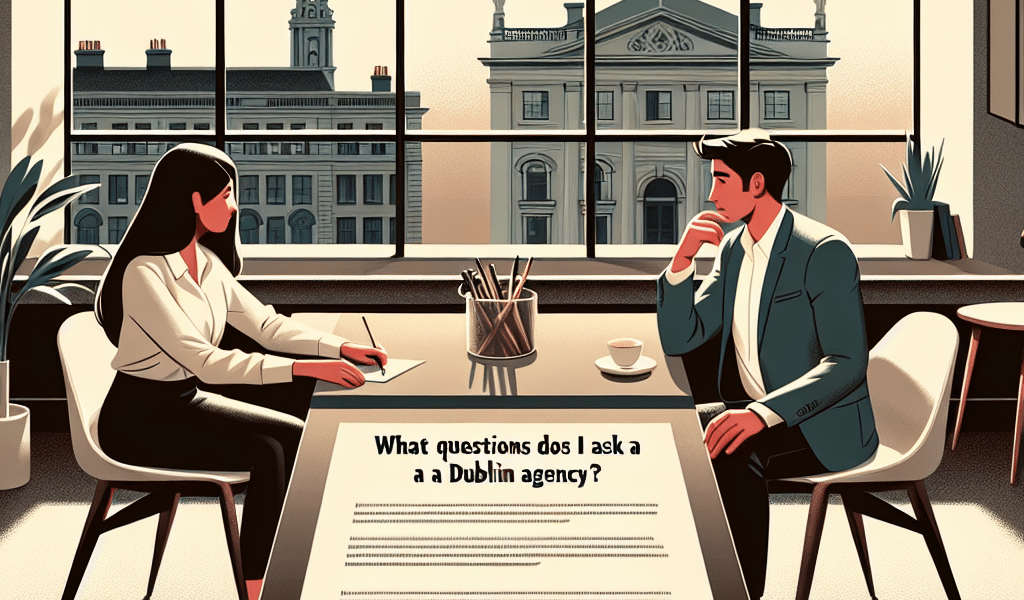
When engaging with an agency in Dublin, whether for marketing, design, public relations, or any specialized service, it’s essential to ensure that your partnership aligns with your objectives and expectations. Before signing a 6-month contract, thorough due diligence can protect you from potential pitfalls and ensure that you are making an informed decision. Here are several critical questions to consider.
Understanding the Agency
1. What is your agency’s background and experience?
Start by asking about the agency’s history. How long have they been in business? What types of clients do they usually work with? Understanding their background can provide a sense of stability and credibility. If they have worked with companies similar to yours, it may suggest that they understand your industry’s unique challenges and nuances.
2. Can you share case studies or client testimonials?
Requesting case studies or testimonials can offer insights into the agency’s ability to deliver results. Look for documented successes in areas relevant to your needs. Positive testimonials and robust case studies can serve as a testament to the agency’s competencies and effectiveness.
3. Who will be working on my account?
Ask about the team members who will be involved in your project. It’s beneficial to understand their roles, experience, and expertise. Knowing who will handle your account can provide reassurance that your project will receive the necessary attention and skill.
Services Offered
4. What specific services do you provide?
Clarify what services the agency offers and whether they align with your needs. Some agencies may have a broad range of services, while others might be specialized. Ensure there’s no ambiguity regarding what services are included in the contract.
5. How do you handle project scope and changes?
Project scope can evolve over time. Understanding how the agency handles changes, whether for new requests or adjustments to existing work, is crucial. Ask about their procedure for managing scope changes and how they communicate any additional costs associated with these changes.
6. What are your processes for project management?
Inquire about the methodologies and tools the agency uses for project management. Understanding their process can provide insight into their organisation and efficiency. Do they use project management software? How do they communicate updates? Regular check-ins and updates can keep you informed and involved.
Financials and Contract Details
7. What is your pricing structure?
Understanding the agency’s pricing model is essential. Are they charging a flat fee, hourly rates, or a retainer? Be clear about what is included in the price and whether there are potential additional charges. Transparency in pricing helps avoid surprises later.
8. What are the payment terms?
Learn about their payment schedule: Is it upfront, monthly, or upon completion of milestones? Knowing the payment terms helps you manage your budget effectively.
9. Are there any cancellation or termination clauses?
It’s essential to know what happens if you need to end the contract prematurely. Ask about any penalties or notice periods required for termination. A fair cancellation policy will give you peace of mind.
Communication and Collaboration
10. How do you communicate with clients?
Effective communication is vital for a successful partnership. Ask how frequently they will provide updates and through which channels they communicate (e.g., email, meetings, phone calls). Clear communication can prevent misunderstandings and facilitate smoother collaboration.
11. How do you handle feedback and revisions?
Understanding how the agency approaches client feedback is crucial. Will you be able to give input at various stages, and how will they incorporate your suggestions? A collaborative approach ensures your vision is realized effectively.
12. What is your policy on confidentiality and data protection?
In today’s digital age, safeguarding sensitive information is paramount. Ask about their data protection policies and how they handle confidential information. Ensure they comply with relevant regulations, such as GDPR.
Strategic Alignment
13. How do you develop a strategy for my project?
Understanding the agency’s approach to developing a strategy can provide insights into their thought process. Ask how they would tailor their strategy to meet your unique needs and objectives. This initial inquiry can highlight their strategic thinking and adaptability.
14. How do you measure success?
Different agencies may have varying definitions of success. Learn how they track and report on performance metrics. Establishing clear key performance indicators (KPIs) at the outset ensures that everyone is on the same page regarding objectives.
15. What tools do you use for analytics and reporting?
Inquire about the tools the agency uses to gather data and generate reports. Knowing what analytics platforms they utilize can help you understand how they will monitor progress and outcomes. Reports should be clear and accessible, providing you with relevant insights.
Industry Knowledge and Trends
16. How do you stay updated on industry trends?
Ask how the agency keeps itself informed about the latest trends and best practices in your industry. An agency that invests time in research and professional development can offer valuable insights and innovative ideas.
17. Who are your competitors, and how do you differentiate from them?
Understanding the agency’s competitive landscape can shed light on their strengths and weaknesses. Ask them to articulate their unique selling points and how they plan to stand out in the crowded market.
18. Who are some of your notable clients?
While you may have already seen their testimonials, it’s useful to ask directly about prominent clients they’ve worked with. This can give you an idea of their market position and the caliber of projects they’ve successfully managed.
Risk Management
19. How do you handle crises or setbacks?
In any project, challenges can arise. It’s crucial to understand how the agency prepares for potential risks and how they manage crises. Their ability to navigate challenges speaks to their professionalism and resilience.
20. What is your approach to conflict resolution?
Disagreements may occur during the course of a project. Ask about the agency’s approach to resolving conflicts. A proactive, respectful approach fosters a positive working relationship and minimizes disruptions.
21. How do you ensure quality control?
Quality should never be compromised. Inquire about the agency’s quality control measures to ensure deliverables meet the established standards of excellence. This can help you gauge their commitment to delivering high-quality work.
Final Checks
22. Can we expect any additional costs beyond the contract?
Clarify if there are any potential costs that may arise outside the initial agreement. Transparency about future expenses will help you budget appropriately and avoid surprises.
23. Who is my main point of contact?
Knowing who to reach out to with questions or concerns is vital for effective communication. Ensure the agency designates a dedicated contact person for your project.
24. How do you handle feedback after project completion?
Ask how the agency supports you even after the contract ends. Can you provide feedback on their performance? Are they available for follow-up questions or additional assistance? Ongoing support is a valuable aspect of any partnership.
Conclusion
Asking the right questions before signing a 6-month contract with a Dublin agency can set the groundwork for a successful partnership. By addressing these areas, you can better understand their capabilities, communicate effectively, and align your expectations with their services. Entering into a contract with thorough knowledge and clear communication will minimize risks and maximize the potential for success. Remember that finding the right agency is not just about the services they offer; it’s also about the relationship you build with them and the mutual understanding you cultivate throughout the partnership.
Related Posts
 Transparent SEO Agency Dublin No Contracts
 What is the average monthly retainer for a digital marketing agency in Dublin?
 What is the difference between a Dublin ʼfull-serviceʼ agency and a boutique firm?
 South Dublin Local SEO Marketing Agency
 Reputable SEO Agency In Dublin Reviews
 SEO For Recruitment Agencies in Dublin
 What makes Globe Boss different from other Dublin SEO agencies?
 Get Found 7 Dublin SEO Secrets Only the Top Agencies Use