
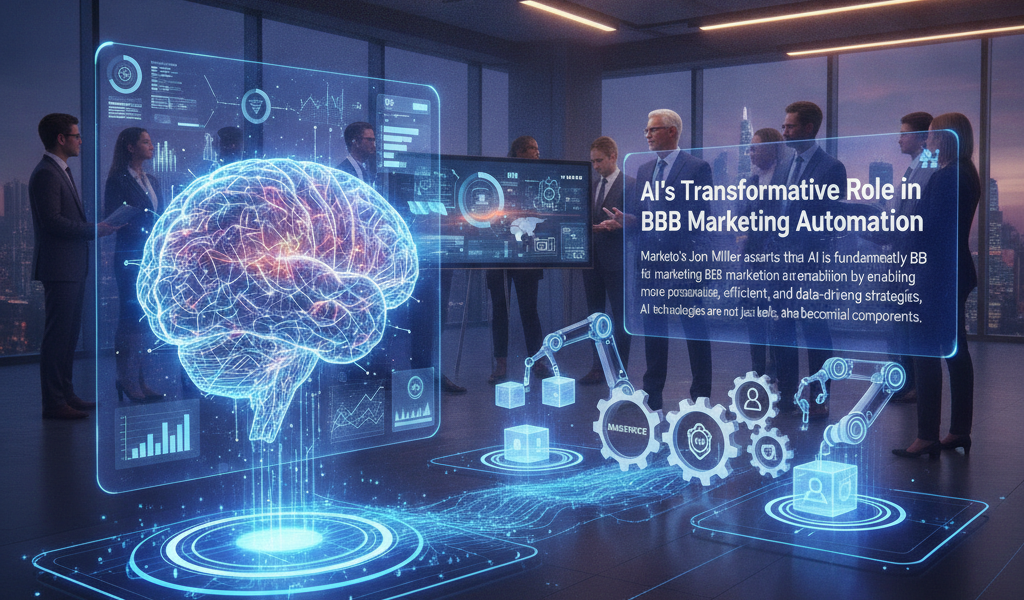
AI’s Transformative Role in B2B Marketing Automation
Marketo’s Jon Miller asserts that AI is fundamentally reshaping B2B marketing automation by enabling more personalised, efficient, and data-driven marketing strategies. AI technologies are not just tools; they are becoming essential components that enhance the capabilities of B2B marketers, helping them to engage with their audience in more meaningful ways.
Enhancing Personalisation with AI
One of the most significant impacts of AI in B2B marketing automation is the enhancement of personalisation. Using machine learning algorithms, companies can analyse vast amounts of data to discern patterns in customer behaviour and preferences.
Step-by-Step Implementation
-
- Data Collection: Start by collecting data from multiple sources, including CRM systems, web analytics, and social media. Ensure all data is clean and usable.
-
- Segmentation: Use AI tools to segment your audience based on their behaviours and preferences. For example, a Dublin-based company could create distinct segments for different industries like technology, healthcare, or finance.
-
- Content Tailoring: Develop targeted content for each segment. AI can help predict which type of content is likely to resonate most with specific segments.
-
- A/B Testing: Implement A/B testing using AI-driven analytics to determine the most effective messaging and content formats.
By following these steps, companies can significantly increase their engagement rates. For instance, businesses implementing AI-driven personalisation have reported engagement increases of up to 30%.
Automatisation of Campaigns
Marketo’s Jon Miller emphasises the importance of automating marketing campaigns to improve efficiency. AI tools enable marketers to automate repetitive tasks, freeing up their time to focus on strategy and creativity.
Automatisation in Action
-
- Daily Task Automation: Use AI to automate emails and social media posts based on performance metrics.
-
- Lead Scoring: Implement AI lead scoring to prioritise leads based on their likelihood to convert.
-
- Chatbots: Integrate AI chatbots on your website to engage visitors and capture leads 24/7.
In an Irish context, automating tasks allows B2B marketers to allocate more resources towards developing high-quality content and strategies, which can lead to increased market competitiveness.
Data-Driven Decision Making
AI’s impact on data analysis cannot be overstated. With sophisticated algorithms, marketers can derive insights from customer interactions, allowing for more informed decision-making.
Real Numbers and Timelines
For example, incorporating AI into your marketing analytics might involve:
-
- Initial Setup (1-3 months): Implement AI analytics tools and start data collection.
-
- Insights Phase (3-6 months): Use collected data to gain insights, adjusting your strategies according to findings.
-
- Iterative Improvement (6+ months): Continuously refine your strategies based on AI-driven insights.
Companies that embrace data-driven decision-making often see a significant turnaround, with reports indicating improved ROI by as much as 20% through enhanced targeting and efficiency.
Challenges and Considerations
While the benefits are substantial, implementing AI in B2B marketing automation is not without its challenges.
Key Challenges
-
- Data Privacy: Complying with GDPR and ensuring customer data is used responsibly is paramount for businesses in Ireland and the UK.
-
- Integration: Businesses may face difficulties in integrating new AI systems with existing marketing tools.
-
- Skill Gaps: Teams may require training to effectively utilise AI tools.
Future Trends in B2B Marketing Automation
Looking ahead, Jon Miller suggests several future trends that B2B marketers should watch out for:
Emerging Technologies
-
- Predictive Analytics: Leveraging AI to forecast customer behaviour will become increasingly accurate and integral to planning.
-
- Voice Search Optimisation: As voice recognition technology advances, companies will need to adapt their strategies.
-
- Enhanced Customer Experiences: AI will further allow for hyper-personalisation, making each customer feel unique and valued.
These trends indicate a moving landscape that marketers in Ireland will need to adapt to rapidly.
FAQ
1. What AI tools should B2B marketers consider?
Some robust AI tools include HubSpot, Salesforce Einstein, and Marketo, which offer everything from automation to robust analytics.
2. How can I ensure data compliance when using AI?
It’s crucial to familiarise yourself with GDPR regulations. Regular audits and transparent data collection practices will help maintain compliance.
3. Is AI time-consuming to implement?
While initial setup can take a few months, the long-term efficiencies gained make it worth the investment in time and resources.
4. What metrics should I focus on when using AI?
Key metrics include engagement rates, lead conversion rates, and customer lifetime value, which will give you insights into your campaign’s effectiveness.
Conclusion
Marketo’s Jon Miller showcases how AI’s integration into B2B marketing automation can dramatically enhance personalisation, efficiency, and data-driven decision-making. As Irish businesses look to the future, the adoption of these technologies will be imperative for remaining competitive in a continually evolving digital landscape.
For more insights, consider exploring our free SEO audit and The Traffic Playbook to streamline your strategies.
For further assistance, email moc.ssobebolg@ofni or call +353 1 868 2345.
Related Posts
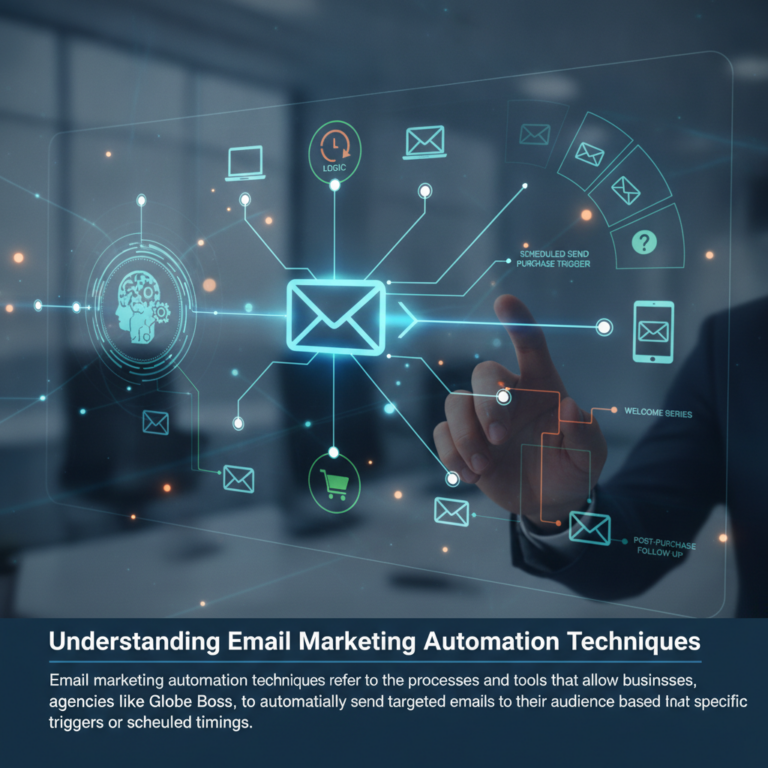 Email Marketing Automation Techniques
 Automated Marketing Solutions
 B2B Brands Embrace Creator Videos to Combat AI Challenges
 Integrating AI in Content Creation: Irish Digital Impact
 Winning B2B Consideration: The Importance Of Day Zero
 Win B2B Shortlist Before Buyers Search: Day Zero Brand Strategy
 Enhancing Marketing with AI Video Execution and Industry Insights
 Globe Boss B2B Marketing Dublin