
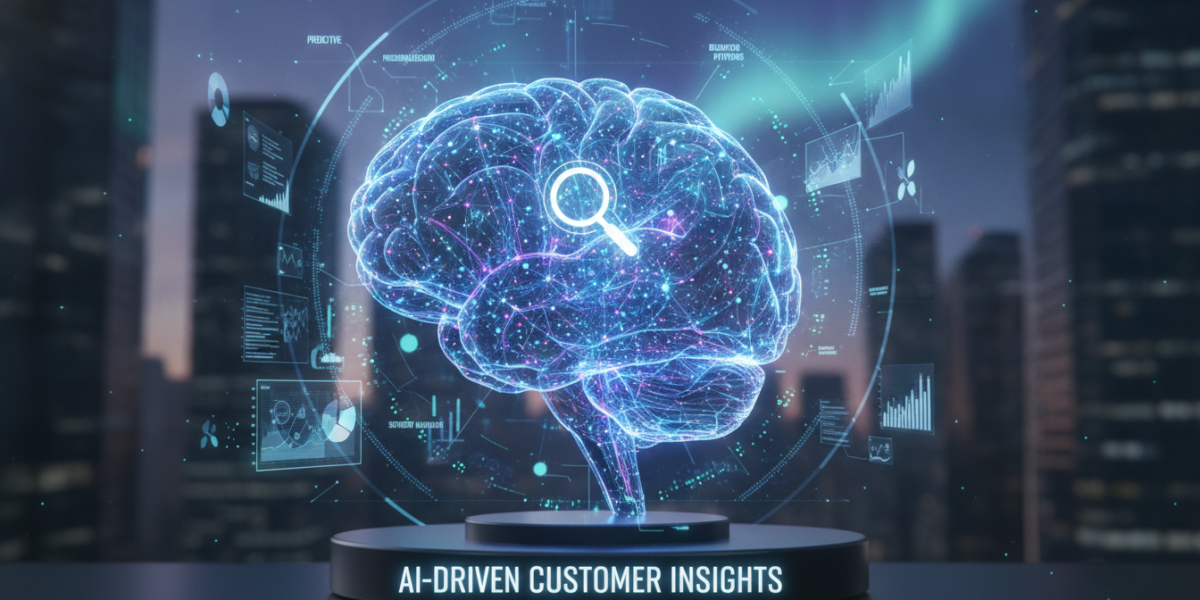
Understanding AI-Driven Customer Insights
AI-driven customer insights refer to the utilisation of artificial intelligence technologies to gather, analyse, and interpret vast amounts of customer data. These insights help businesses understand consumer behaviours, preferences, and trends more effectively than traditional methods. By leveraging AI, companies can enhance their marketing strategies, improve customer experiences, and drive sales growth.
The Importance of AI in Customer Insights
In today’s highly competitive market, understanding your customers is crucial. AI can process copious amounts of data quickly and efficiently, allowing businesses to glean insights that would be time-consuming and challenging through manual analysis. AI-driven insights often result in:
- Enhanced Customer Understanding: AI can analyse customer behaviour across multiple touchpoints, providing deeper insights into their needs and preferences.
- Personalisation: By understanding customer patterns, businesses can tailor their marketing efforts to meet individual customer needs, thereby increasing engagement and satisfaction.
- Predictive Analytics: AI algorithms can forecast future customer behaviours, enabling businesses to anticipate needs and adjust their strategies accordingly.
How to Implement AI-Driven Insights
Step 1: Collecting Data
The first step in utilising AI for customer insights is to collect data. You should ensure that you are gathering information from various sources such as:
- Website analytics
- Social media interactions
- Customer feedback and surveys
- Purchase history
In Ireland, nearly 80% of consumers use multiple channels to make buying decisions. Thus, sourcing data from a diverse range of platforms is essential for accurate insights.
Step 2: Choose the Right AI Tools
After collecting relevant data, businesses need to select AI tools that align with their goals. Some popular tools include:
- Google Analytics: Offers insights about website traffic and user behaviour.
- IBM Watson: Utilises machine learning to analyse customer feedback and social media sentiment.
- Salesforce Einstein: Integrates with Salesforce CRM to provide insights on customer interactions.
Selecting the right tools based on your business size, type, and industry-specific needs is crucial to gaining quality insights.
Step 3: Data Analysis
Once you have chosen your tools and integrated them into your systems, the next step involves analysing the collected data. Here are some specific techniques:
- Segmentation: Grouping customers based on shared characteristics or behaviours helps businesses tailor their marketing strategies effectively.
- Clustering: Using AI algorithms like K-means clustering can categorise customers based on purchasing patterns.
- Sentiment Analysis: Assessing customer feedback will help you understand how they feel about your products or services.
Utilizing these methods can significantly refine your approach and lead to more substantial customer engagement. A recent Irish study indicated that businesses that engaged in customer segmentation experienced a 10% increase in conversions.
Step 4: Implement Findings
Implementing findings from AI analyses is where the real-world applications come into play. For example, if data shows that customers prefer personalised email campaigns, businesses can focus their efforts there. Consider the following:
- Adjust Marketing Tactics: Use insights to create targeted advertising campaigns.
- Optimise Customer Experience: Adapt your website or customer service strategies based on user feedback and behaviour analytics.
- Product Development: Insights can identify gaps in the market that you can fill with new products or services.
The timeline for seeing results varies; however, many businesses can observe improvements in engagement and conversion rates within three to six months of implementing AI-driven insights.
Challenges and Considerations
Implementing AI-driven customer insights isn’t without its challenges. Businesses should be aware of:
- Data Privacy: GDPR compliance is crucial when collecting and analysing customer data in Ireland and the EU.
- Integration Costs: There may be substantial initial costs associated with integrating AI tools into your existing systems.
- Skill Gaps: There may be a need for skilled personnel to interpret and act on insights effectively.
FAQ
1. How accurate are AI-driven customer insights?
The accuracy of AI-driven customer insights heavily depends on the quality of the data fed into the AI models. Clean, relevant, and comprehensive data will yield more accurate insights.
2. How can small businesses leverage AI for customer insights?
Small businesses can use affordable AI tools that fit their budget. They can also focus on specific aspects of customer interactions, like social media mentions or email subscriptions, to derive actionable insights.
3. What are some examples of businesses using AI for customer insights successfully?
Many well-known brands leverage AI-driven insights. For instance, retailers like Tesco utilise customer data to enhance their loyalty programs and streamline product recommendations.
4. Can I get a free SEO audit to understand customer insights better?
Yes, you can request a free SEO audit to identify areas of improvement in your website that can lead to better customer insights.
5. Is there a resource for developing a comprehensive traffic strategy?
Yes, you can check out The Traffic Playbook, which offers useful strategies for navigating the intricacies of customer engagement and insight generation.
Conclusion
AI-driven customer insights can revolutionise how businesses understand and interact with their customers. From data collection to actionable implementations, each step plays a pivotal role in enhancing customer satisfaction and driving sales. For organisations aiming to utilise AI effectively, it’s invaluable to stay informed and adapt strategies based on real-time customer feedback and industry trends.
If you have any questions or need further information, feel free to email moc.ssobebolg@ofni or call +353 1 868 2345.
Related Posts
 SEO analytics services for data driven insights
 Customer Lifecycle Goals: Insights For Digital Marketers
 What Your Website Analytics Are Telling You That You Are Ignoring
 Data Driven SEO Analytics for Irish Marketing Teams
 Which Dublin firms offer AI-driven predictive analytics?
 Data-Driven Success with Advanced Web Analytics
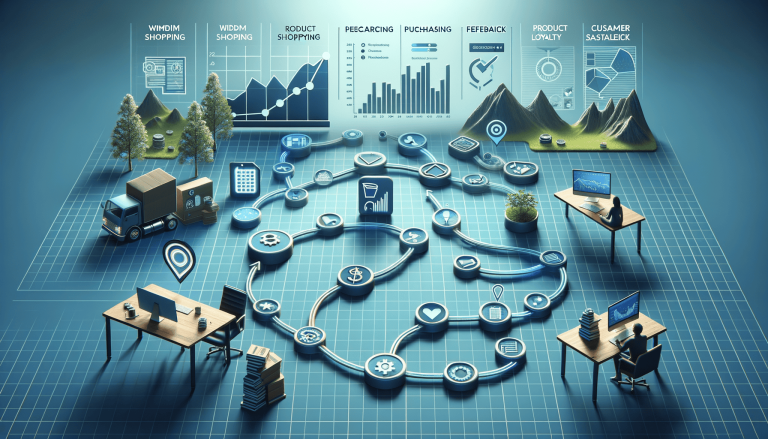 Customer journey tracking and analysis
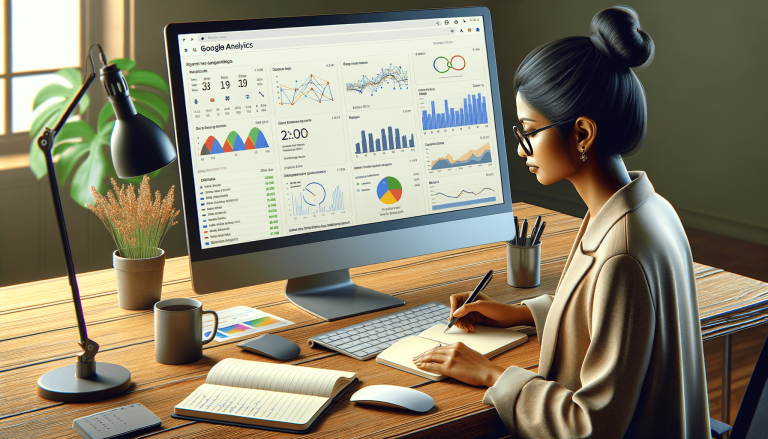 Utilizing google analytics for insights