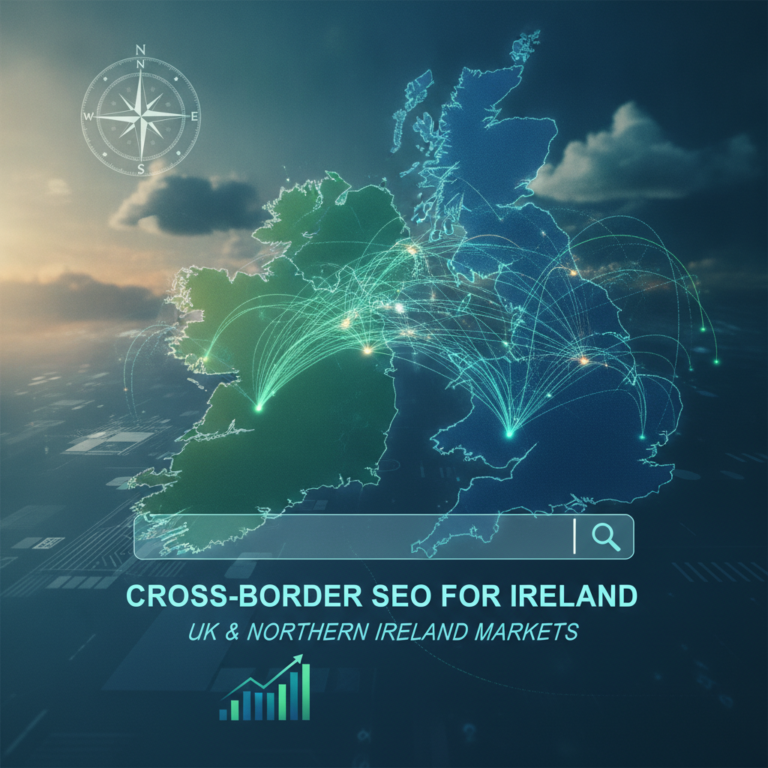
Understanding Cross-Border Digital Marketing
Cross-border digital marketing refers to the strategies and tactics utilised by businesses to promote their products or services in international markets. It involves navigating different cultures, legal frameworks, and consumer behaviours to effectively reach and engage target audiences beyond one’s domestic borders. For companies, like Globe Boss, a Dublin-based SEO and digital marketing agency, cross-border marketing is an opportunity to expand their reach and tap into new revenue streams.
The Importance of Localisation
One critical step in cross-border digital marketing is localisation. Localisation goes beyond mere translation of content; it involves adapting your marketing strategy to meet the cultural and social norms of the target market. This includes modifying language, images, currencies, and even marketing messages to resonate with local customers.
Steps for Effective Localisation
- Language Adaptation: Translate content accurately; consider hiring local translators or agencies familiar with regional dialects.
- Cultural Sensitivity: Research local customs and traditions to avoid cultural faux pas that could alienate potential customers.
- Legal Considerations: Understand local regulations regarding marketing practices, data protection laws, and intellectual property rights.
- Payment Methods: Offer localised payment options that customers are comfortable using, such as iDEAL in the Netherlands or PayPal in the UK.
- Customer Support: Provide customer service that operates in the local language and is attuned to the cultural expectations of consumers.
Utilising Data for Targeted Marketing
Utilising data analytics is vital for successful cross-border digital marketing. By studying user behaviour and preferences in different markets, businesses can tailor their marketing strategies to maximise effectiveness.
Tools for Data Analysis
- Google Analytics: Monitor website performance, user demographics, and interactions to understand consumer behaviour across different regions.
- Social Media Insights: Platforms like Facebook, Instagram, and LinkedIn offer analytics that can help gauge audience engagement and preferences.
- Market Research Tools: Tools like SEMrush and Statista provide valuable insights into market trends and consumer behaviour.
Establish a baseline for traffic and conversion metrics before expanding into new markets to measure the impact of your cross-border efforts. Aim for a timeline of six months to a year to evaluate the effectiveness of your marketing strategies.
SEO Considerations for Cross-Border Marketing
Search Engine Optimisation (SEO) plays a crucial role in cross-border digital marketing. For instance, targeting the right keywords and optimising for local search engines can significantly increase visibility and traffic.
Implementing International SEO
- Country-specific Domains: Consider using country-code top-level domains (ccTLDs) for different regions, such as .ie for Ireland or .co.uk for the UK.
- Hreflang Tags: Implement hreflang tags in your website’s HTML to indicate to search engines which language and region the content is intended for, preventing duplicate content issues.
- Local Keywords: Research and target keywords relevant to local audiences. For instance, the term “football” has different meanings in the UK and US, which needs to be reflected in your content strategy.
Content Marketing Strategies for Different Markets
Different regions may have varying preferences regarding content consumption. By understanding these differences, your strategy can become more effective.
Adapting Content Formats
- Visuals: Use images and videos that reflect local culture; what might be appealing in one region could be off-putting in another.
- Blogs and Articles: Tailor blog topics to address regional interests, challenges, and questions; consider seasonal trends that might affect purchasing behaviour.
- Social Media Campaigns: Platforms used may vary by country; for example, WeChat is highly popular in China, while WhatsApp dominates in the UK.
Measuring Success in Cross-Border Digital Marketing
Once the cross-border marketing strategy is in motion, it is essential to measure its success. Key performance indicators (KPIs) should be established early, allowing for an effective analysis of conversions and traffic.
Key Metrics to Monitor
- Traffic Growth: Monitor the increase in website traffic from specific regions using analytics tools.
- Conversion Rates: Track the number of visitors who take desired actions, such as signing up or making a purchase.
- Engagement Rates: Review metrics such as bounce rates, time on page, and social media interactions to gauge audience interest.
Challenges to Anticipate
Cross-border digital marketing does not come without its challenges. Businesses must be prepared to face potential obstacles, from differing regulations to cultural misunderstandings.
Overcoming Common Challenges
- Compliance Issues: Keep abreast of legal requirements and taxation policies in different regions to avoid penalties.
- Logistical Barriers: Understanding shipping and delivery preferences can impact customer satisfaction; work closely with logistics partners familiar with local markets.
- Language Barriers: Invest in high-quality translation and localisation services to maintain brand consistency.
Frequently Asked Questions
What is the first step to begin cross-border digital marketing?
The first step is to conduct thorough market research on the countries you wish to target, to understand cultural norms, buying behaviour, and legal regulations.
How long does it take to see results from cross-border marketing?
Typically, it can take six months to a year to see measurable results in areas like traffic and conversion rates, depending on the market and the strategies deployed.
Are there tools to help with cross-border marketing?
Yes, tools like Google Analytics, SEMrush, and local social media analytics help track performance and market insights across different regions.
How can I measure the success of my cross-border marketing efforts?
Success can be measured using KPIs such as website traffic, conversion rates, and customer engagement metrics.
What role does SEO play in cross-border marketing?
SEO is crucial for making your content visible to local audiences, including optimising for local keywords and regional search engines.
Conclusion
Cross-border digital marketing presents significant opportunities for companies looking to expand their reach beyond domestic borders. By embracing localisation, utilising data, optimising for SEO, and continuously measuring success, brands like Globe Boss can effectively navigate the international landscape. If you’re interested in exploring cross-border marketing strategies for your business, consider starting with a free SEO audit to identify areas for improvement and growth.
For more comprehensive strategies, check out The Traffic Playbook to enhance your digital marketing efforts. For more information, feel free to email moc.ssobebolg@ofni or call +353 1 868 2345.