
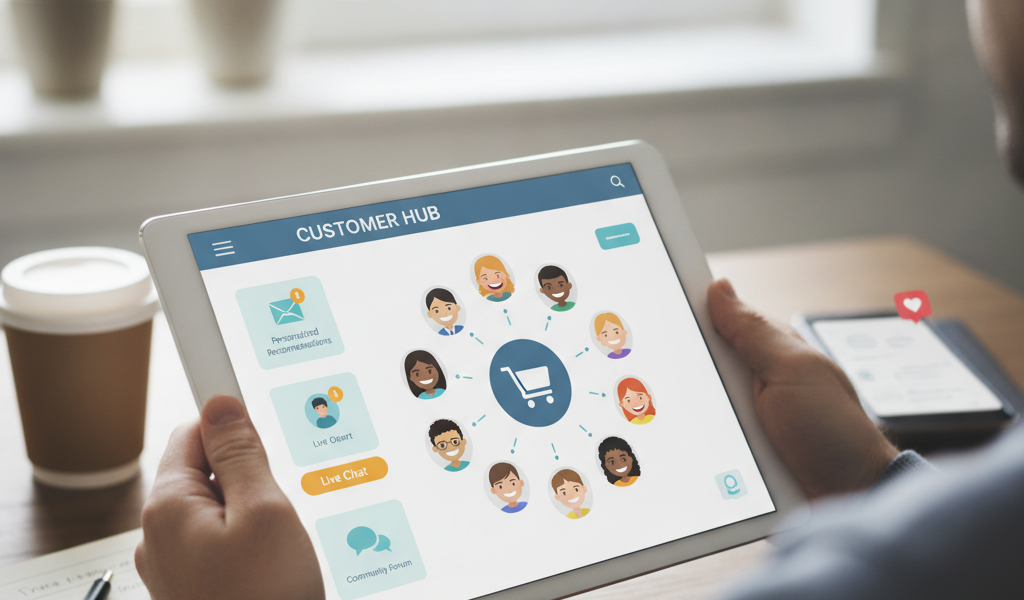
Understanding Customer Engagement in E-commerce
Customer engagement in e-commerce refers to the strategies and practices that online retailers employ to build a relationship with customers, fostering deeper connections that drive loyalty and repeat purchases. This involves creating meaningful interactions at various touchpoints, from initial website visits to post-purchase follow-ups, ensuring that customers feel valued and understood throughout their shopping journey.
The Importance of Customer Engagement
Customer engagement is crucial for e-commerce businesses, especially in the competitive market that has emerged in Ireland and beyond. Engaged customers are more likely to make repeat purchases, refer others, and provide invaluable feedback. In fact, studies have shown that increasing customer retention rates by just 5% can boost profits by 25% to 95%.
Strategies for Enhancing Customer Engagement
1. Personalisation
One of the most effective ways to engage customers is through personalisation. This means offering tailored experiences based on customer data. For instance, by using analytics tools, businesses can track user behaviour and recommend products based on past purchases or browsing history. In Ireland, an average customer is more likely to respond positively to personalised emails or product recommendations, with upticks in conversion rates reported as high as 10%.
2. Utilising Social Media
Social media platforms offer an excellent avenue for engaging customers. Regularly posting relevant content, responding to comments, and encouraging interaction can create a vibrant community around your brand. A survey indicated that 71% of consumers who have a good social media experience with a brand are likely to recommend it to others. Therefore, dedicating resources to maintain a strong social media presence can yield significant returns.
3. Quality Content Creation
Creating valuable content that addresses customer pain points or interests is another way to engage them. This could be in the form of blog posts, videos, or infographics. For instance, if you run an e-commerce store selling outdoor equipment, consider creating guides on the best hiking trails in Ireland or tips on choosing the right gear. Consistent content creation keeps your audience engaged and positions your brand as an authority in the niche.
4. Email Marketing
Email marketing remains one of the most effective channels for customer engagement. According to Campaign Monitor, for every €1 spent on email marketing, you can expect an average return of €38. Building an email list and sending out regular newsletters, product updates, or exclusive offers can keep your audience informed and engaged. Segmenting your audience based on purchasing behaviour can further enhance engagement by providing them with tailored content.
5. Using Customer Reviews and Feedback
Encouraging customers to leave reviews and sharing these on product pages enhances credibility and engagement. Research shows that 79% of consumers trust online reviews as much as personal recommendations. Make it easy for customers to leave feedback by sending automated follow-up emails after a purchase. Responding to feedback, whether positive or negative, shows that you value customer input and fosters community trust.
Measuring Customer Engagement Effectiveness
Analytics play a critical role in understanding customer engagement success. Key Performance Indicators (KPIs) such as customer retention rate, Net Promoter Score (NPS), and customer lifetime value (CLV) can provide valuable insights. In Ireland, using a mix of Google Analytics for website metrics and customer surveys can give a comprehensive picture of how engaged your customers are. Setting specific, measurable goals will help you evaluate progress over time.
Challenges in Customer Engagement
Despite the benefits, engaging customers effectively can present challenges. One common issue is ensuring that customer interactions across different platforms are cohesive. To overcome this, employ integrated marketing systems that allow you to manage customer interactions seamlessly. Additionally, customers may have high expectations for response times; thus, consider leveraging chatbots or live chat support to provide timely assistance.
Utilising Digital Marketing to Boost Engagement
Digital marketing tools, such as SEO and PPC, can also enhance customer engagement in e-commerce. By optimising your website for search engines (free SEO audit), you can attract more relevant traffic, increasing the likelihood of engaging customers who are genuinely interested in your products. Furthermore, incorporating remarketing strategies can re-engage users who have previously visited your website.
Examples of Successful Customer Engagement in E-commerce
Many Irish brands have effectively implemented customer engagement strategies to boost their sales. For instance, a Dublin-based online store launched an interactive “configure your own” feature on their product pages, allowing customers to personalise items, significantly increasing engagement and conversions. In another case, a local retailer increased its email open rates by 50% by incorporating user-generated content, showcasing real customers using their products.
Creating a Customer-Centric Culture
For customer engagement strategies to be effective, they must be rooted in a customer-centric culture across the business. Training staff to prioritise customer interactions, whether in sales, customer service, or marketing, will ensure that every department contributes to a seamless customer experience. Businesses should work to align their mission and values with customer expectations to facilitate long-term loyalty.
Frequently Asked Questions
1. What are the best tools for measuring customer engagement?
Popular tools include Google Analytics, HubSpot, and customer feedback platforms like SurveyMonkey or Typeform. These can help track customer behaviour, interaction rates, and overall satisfaction.
2. How often should I engage with customers?
Finding the right balance is key. Engaging customers once a week through newsletters and promotions is often effective, but avoid bombarding them with too many messages, which can lead to disengagement.
3. What role does customer feedback play in engagement?
Customer feedback is vital as it provides insights into customer expectations and experiences. Actively soliciting feedback and making changes based on it can significantly enhance customer engagement.
4. How can I improve my social media engagement?
Focusing on creating relatable content, responding promptly to comments, and running interactive campaigns, such as polls or contests, can significantly boost social media engagement.
5. Is there a specific timeline to see results from engagement strategies?
Results can vary based on the strategy employed but generally, businesses might start to see an improvement in engagement metrics within 3 to 6 months after implementing targeted strategies.
Conclusion
In the realm of e-commerce, effective customer engagement is not just about making a sale; it’s about building lasting relationships that lead to customer loyalty and advocacy. By implementing strategies such as personalisation, leveraging social media, and creating quality content, online retailers can significantly improve their engagement rates. With the right tools and approaches, brands in Ireland can capitalise on this vital aspect of e-commerce, ensuring that they not only attract but also retain loyal customers.
For expert advice on optimising your e-commerce strategy, reach out to Globe Boss for a comprehensive consultation. You can get started with a Traffic Playbook that can guide your outreach efforts.
For more information, email moc.ssobebolg@ofni or call +353 1 868 2345.
Related Posts
 How conversational marketing is building relationships and creating authentic experiences with customers
 Understanding how SEO and PPC strategies can fuel customer engagement and loyalty
 Are chatbots replacing customer service in Irish e-commerce?
 How to Leverage FAQs for Better Customer Engagement
 Maximizing customer engagement with email marketing
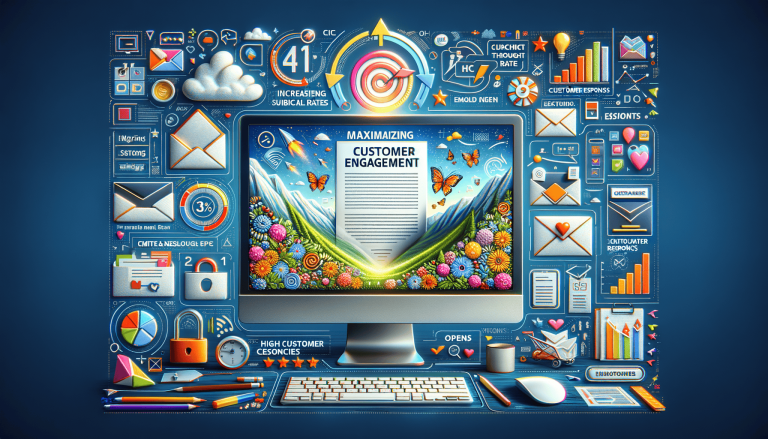 Maximizing
customer engagement with email marketing
Maximizing
customer engagement with email marketing AI-Driven Customer Insights
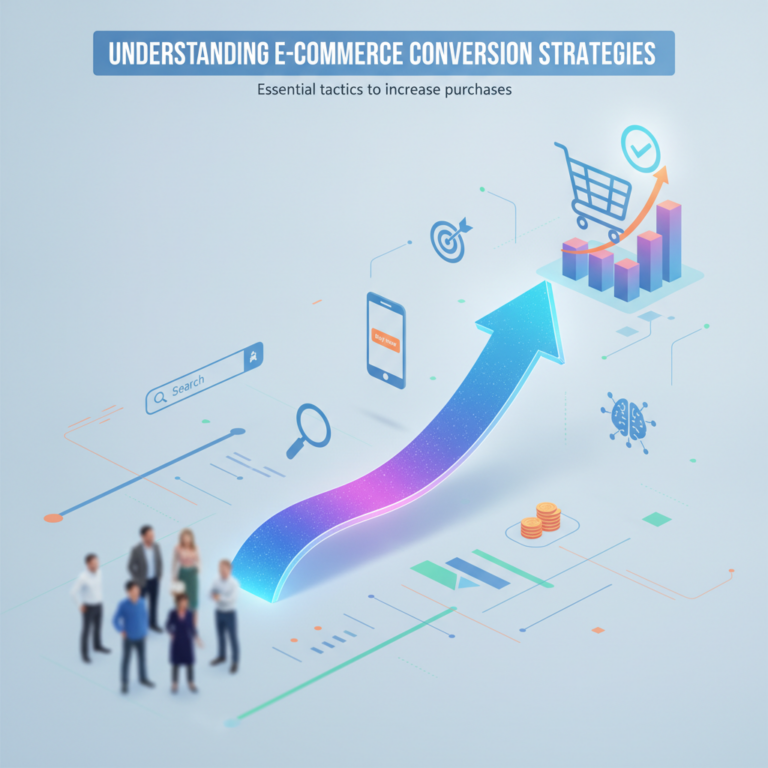 E-Commerce Conversion Strategies