
Understanding Google’s Block Flattening
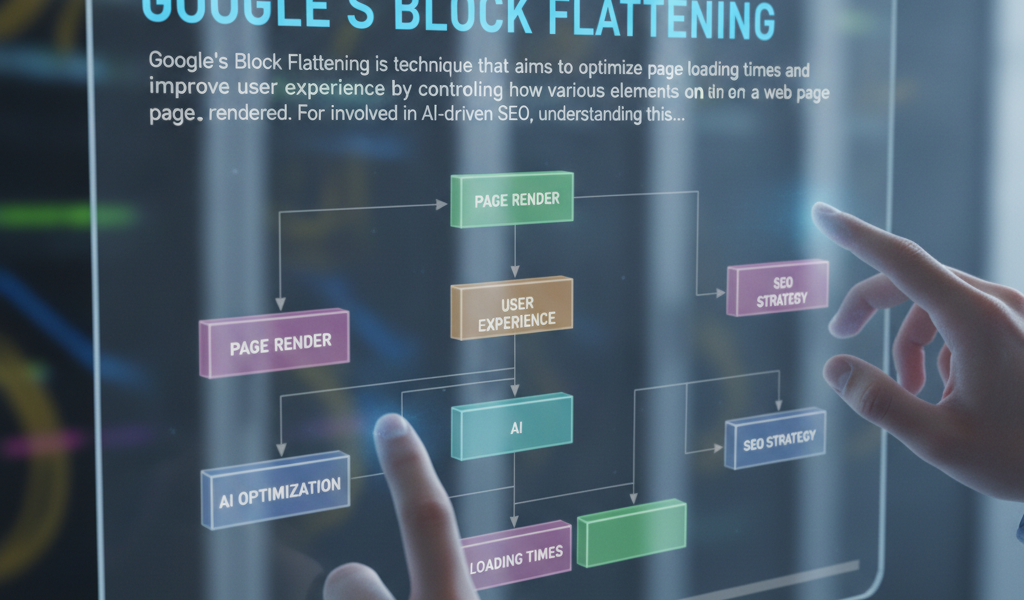
Google’s Block Flattening is a technique that aims to optimise page loading times and improve user experience by controlling how various elements on a web page are rendered. For those involved in AI-driven SEO, understanding this concept is essential, as it directly impacts how content is indexed and ranked in search results. In essence, Block Flattening reduces the number of rendering blocks on a page, thus streamlining the loading process and enhancing overall site performance.
The Mechanics of Block Flattening
Block Flattening works on the principle of optimising the Critical Rendering Path (CRP). This is the sequence of steps that the browser takes to convert a web page’s HTML, CSS, and JavaScript code into the visual representation users see on their screens.
This involves minimising the impact of render-blocking resources, such as stylesheets and scripts, that can delay the display of content. By flattening the blocks, Google ensures that non-essential resources don’t prevent the page from being displayed quickly.
How Block Flattening Affects SEO
The connection between Block Flattening and AI-driven SEO lies in page performance. Here’s how it affects SEO:
- Improved Load Times: Websites that implement Block Flattening generally load faster. Fast-loading sites often have lower bounce rates and higher dwell times, which can positively affect SEO rankings.
- Better User Experience: User experience is a ranking factor. If a website is quick to load and responsive, users are more likely to engage with the content.
- Optimised Crawling: Search engines crawl and index websites more effectively when their pages load quickly, allowing them to fetch the content more readily.
Implementing Block Flattening for Your Website
To take advantage of Google’s Block Flattening in your AI-driven SEO strategy, follow these practical steps:
1. Audit Your Current Website Performance
Before making any changes, it’s essential to know your current performance metrics. Consider using tools like Google PageSpeed Insights or Lighthouse to assess your website’s loading speed and identify render-blocking resources.
For a deeper dive, you can also take advantage of a free SEO audit to identify areas for improvement.
2. Minify CSS and JavaScript
Minification is crucial as it reduces the file size of CSS and JavaScript files by eliminating unnecessary characters, such as whitespace and comments. This reduction can lead to decreased loading times.
3. Consolidate CSS and JavaScript Files
Combine multiple CSS and JavaScript files into a single file whenever possible. This decreases the number of HTTP requests required to load a page, thereby contributing to faster load times.
4. Load JavaScript Asynchronously
By loading JavaScript files asynchronously, you enable the browser to continue downloading other elements on the page, leading to quicker rendering of visible content. This approach is highly effective in achieving Block Flattening.
5. Use a Content Delivery Network (CDN)
A CDN can serve static files from locations closer to the user, significantly improving loading times. This geographical distribution of content ensures that your website is more accessible, providing a better user experience.
Measuring the Impact of Block Flattening
Once you’ve implemented strategies for Block Flattening, monitoring the results is essential. Use analytics tools to evaluate changes in metrics such as:
- Page load times
- Bounce rates
- Average session duration
Track these metrics over time to see how Block Flattening influences your site’s performance and SEO results. It may take a few weeks to notice significant changes, so be patient and consistent with your efforts.
The Role of AI in Optimising Block Flattening
AI plays a significant role in enhancing SEO strategies, including Block Flattening. Machine learning algorithms can analyse vast amounts of data to predict how users interact with your site, which can inform your optimisation strategy. For example:
- Personalised Content Recommendations: AI can help determine the types of content users prefer based on their behaviour, allowing you to structure your pages effectively.
- Predictive Analytics: Leveraging AI can forecast potential changes in traffic based on current trends, helping you make informed decisions about site structure and content.
Common Mistakes When Implementing Block Flattening
Be aware of the common pitfalls that can arise while implementing Block Flattening:
- Neglecting Mobile Users: Ensure that any optimisations you apply do not hinder the mobile version of your website.
- Over-Optimising: Attempting to improve loading times excessively can lead to issues that might break functionality on your site.
Frequently Asked Questions
1. What is the primary benefit of Block Flattening?
The primary benefit of Block Flattening is improved page load times, leading to a better user experience and potentially higher SEO rankings.
2. How long does it take to see results from Block Flattening?
It can take a few weeks to notice significant changes in your website’s performance metrics after implementing Block Flattening techniques.
3. Is Block Flattening a one-time process?
No, Block Flattening is part of ongoing site maintenance. Regular audits and optimisations are required to sustain improved performance.
4. Can AI tools help with Block Flattening?
Yes, AI tools can analyse user interactions and suggest content changes or optimisations that support effective Block Flattening strategies.
5. Should small businesses consider Block Flattening?
Absolutely. Block Flattening can benefit websites of all sizes, helping small businesses compete effectively in search engine rankings.
Conclusion
Understanding and implementing Google’s Block Flattening technique is crucial for anyone involved in AI-driven SEO. By taking practical steps to optimise your site’s performance, you can enhance user experience and improve your search engine results. Regularly review your site’s metrics to ensure that your efforts are paying off. If you’re looking for a comprehensive strategy, consider exploring The Traffic Playbook to drive your SEO efforts further.
For more information or assistance, feel free to email moc.ssobebolg@ofni or call +353 1 868 2345.
Related Posts
 40% Drop In Google Search: Effects On Irish Content Publishers
 Leverage Googleʼs Multimodal Filter For Enhanced Image Searches
 Redditʼs Role in Googleʼs Irish Forum Results
 Google Adds Local Businesses To EEA Search Units: Major Win For Irish Local SEO
 Google AI Mode Sends Fewer Clicks: Irish Business Traffic Impact Analysis
 What Irish Customers Actually Search for on Google
 What Google Search Console Data Is Telling You About Your Site
 Google My Business Optimization for Dublin Local Search