

Why Every Irish Brand Needs an AI Accountability Document
Every Irish brand must consider the development of an AI Accountability Document to safeguard its interests and ensure compliance and transparency in the rapidly evolving landscape of artificial intelligence. As AI technologies permeate various sectors, from retail to finance, brands must clarify their responsibilities regarding the ethical use of these technologies. With the EU’s AI Act expected to be fully enforced by 2027, any brand that has not established an AI Accountability Document will face regulatory bottlenecks, potential fines, and reputational damage.
Understanding the AI Accountability Document
An AI Accountability Document outlines a brand’s policies and practices regarding the use of AI technologies. It serves as a roadmap that guides the ethical implementation of AI while affirming a commitment to transparency and accountability. For Irish brands, preparing this document before the EU regulations come into full effect is not merely advisable; it is essential.
Why Now? The Urgency for Compliance
The enforcement of the EU’s AI Act will shift the landscape dramatically, imposing strict requirements for transparency, risk assessment, and ethical considerations. Without an AI Accountability Document in place, brands could be left vulnerable to oversight and misalignment with these new regulations.
Legal Implications
Starting in 2024, traditional marketing practices will also have to evolve. The penalties for non-compliance with these regulations could range from fines amounting to millions of euros, based on annual turnover and severity of violations. The sooner brands develop and adopt their AI Accountability Documents, the better positioned they will be to navigate these impending challenges.
Steps to Create Your AI Accountability Document
1. Assess Current AI Usage
Begin by auditing the current AI tools and technologies your brand employs. Are you using AI for customer service through chatbots? Does your algorithm optimize supply chain efficiencies? Understanding how AI is used within your operations is critical to preparing a robust document.
2. Form a Cross-Functional Team
Creating an AI Accountability Document should involve various departments—legal, marketing, IT, and operations. This cross-functional team will provide a holistic perspective on the implications of AI use across the brand.
3. Research Legal Requirements
Stay informed about the EU AI Act and any additional regulations that may apply within Ireland. Consult legal experts with experience in technology law to ensure all compliance requirements are adequately covered.
4. Develop Guidelines for Ethical Use
Establish guidelines that define ethical principles for AI usage. This includes aspects like fairness, accountability, transparency, and the prevention of bias. Incorporate feedback mechanisms for customers and employees to report concerns about AI interactions.
5. Document Risks and Mitigation Strategies
Identify potential risks associated with your AI technologies. Develop strategies to mitigate these risks, such as establishing clear protocols for data privacy and security. Implement regular reviews to adapt to new challenges as technology evolves.
Real Numbers and Timelines
Building and finalising an AI Accountability Document may take between three to six months, depending on your brand size and the complexity of AI deployments. Allocating a budget between €5,000 and €20,000 may be necessary to cover consulting, legal fees, and internal time allocated to this task. The costs should be seen not as a burden but as an essential investment in compliance and brand integrity.
Emphasising Continuous Improvement
Your AI Accountability Document should not be static. It must evolve alongside advancements in technology and changes in legislative frameworks. Plan for a bi-annual review to update the document as needed, ensuring continuous compliance and responsiveness to emerging concerns.
Potential Benefits of an AI Accountability Document
Beyond compliance, an AI Accountability Document can build consumer trust. Customers are increasingly aware of data usage and algorithmic decision-making. By demonstrating accountability and ethical practices, brands can position themselves as leaders in responsible AI use, ultimately enhancing customer loyalty.
Frequently Asked Questions
What happens if my brand doesn’t create an AI Accountability Document?
If your brand fails to create an AI Accountability Document before 2027, you risk facing significant fines and reputational damage when the EU regulations are enforced. This could lead to losing customer trust and a competitive edge in the market.
How can an AI Accountability Document enhance my brand’s reputation?
Having an AI Accountability Document showcases your brand’s commitment to ethical practices and transparency, engendering trust among consumers and partners. This proactive approach can be a unique selling point, differentiating your brand in a crowded marketplace.
What resources are available for creating an AI Accountability Document?
Various resources are available, including consulting with legal experts in technology and accessing frameworks established by industry leaders. Tools are also available—for instance, you can start with a free SEO audit that may provide insights into how well your current practices align with industry standards.
Will developing an AI Accountability Document impact my marketing strategy?
Yes, integrating ethical guidelines into your marketing strategy will alter how you communicate your brand’s values. Transparency about your AI usage can enhance customer trust and engagement, ultimately benefiting your marketing efforts.
How often should I review my AI Accountability Document?
It is recommended to review your AI Accountability Document at least twice a year to ensure it aligns with new developments in technology and regulatory frameworks. Regular updates will help maintain compliance and adapt to any industry changes.
Conclusion
In conclusion, every Irish brand needs to establish an AI Accountability Document before 2027 to safeguard against future compliance issues and benefit from consumer trust. As technology continues to evolve, so too must our commitment to responsible and ethical practices. For assistance in navigating this complex terrain, consider resources such as The Traffic Playbook for guidance on improving your overall digital strategy.
For more information or to get in touch, email moc.ssobebolg@ofni or call +353 1 868 2345.
Related Posts
 Digital Strategy for Irish Brands
 Digital Marketing for Fashion Brands
 Win B2B Shortlist Before Buyers Search: Day Zero Brand Strategy
 Google Discover Topic Overviews With Video: Opportunity For Irish Content Brands
 Agentic Commerce Hype Versus Reality: Irish E-Commerce Brand Guide
 Why Your Irish Business Needs a Video Series Strategy
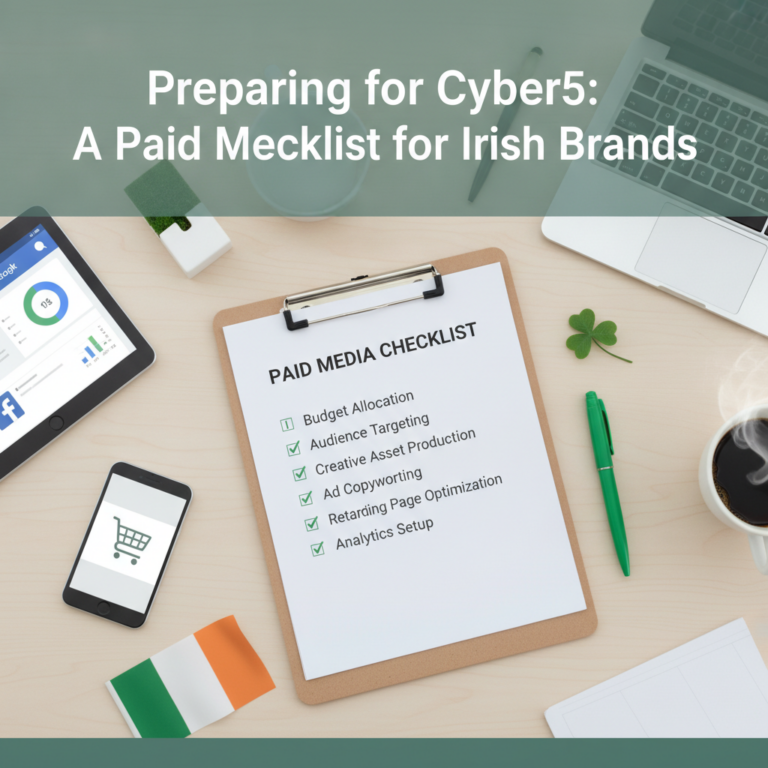 Preparing for Cyber5: A Paid Media Checklist for Irish Brands
 Generative Engine Optimisation: The New SEO for Irish Brands