
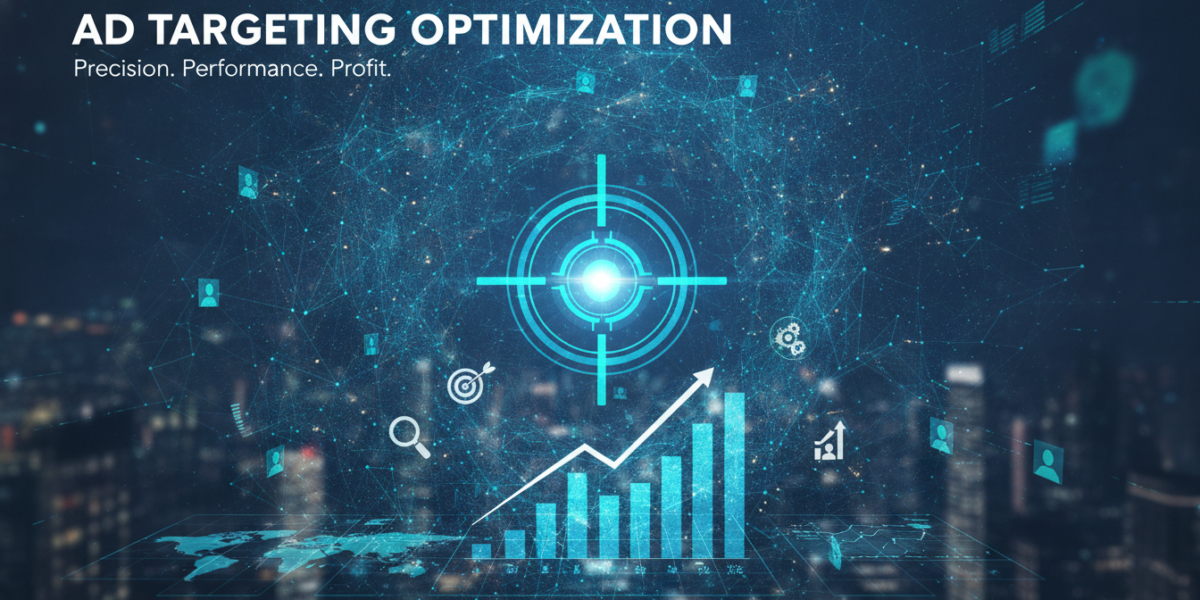
What is Ad Targeting Optimization?
Ad targeting optimization is the process of refining and enhancing the targeting of digital advertisements to reach the most relevant audience effectively. By honing in on specific demographics, interests, and behaviours, businesses can ensure that their ads reach potential customers who are more likely to engage with their products or services. This leads to improved return on investment (ROI) and more efficient ad spending.
Why is Ad Targeting Important?
In today’s competitive digital landscape, simply placing ads without a targeted strategy can lead to wasted resources. Generic ads often underperform, failing to convert due to mismatched audiences. According to recent studies, targeted campaigns can yield a conversion rate that is 10 to 20 times higher than non-targeted ads. For businesses such as Globe Boss, based in Dublin, optimising ad targeting remains crucial for maximising marketing budgets and improving overall effectiveness.
Steps to Optimize Ad Targeting
To achieve effective ad targeting optimization, follow these real steps that can lead you towards better campaign results.
1. Define Your Target Audience
The first step is to clearly define who your ideal customer is. This can be achieved through:
- Demographics: Age, gender, income level, and education.
- Location: Targeting specific geographical areas can dramatically enhance ad effectiveness, especially in a country like Ireland where regional preferences can differ.
- Interests: Understanding what interests your audience can help you craft more relevant ads.
2. Leverage Data Analytics
Use analytics tools to analyse your current audience’s interactions with your ads. Platforms like Google Analytics and Facebook Insights provide valuable data regarding user behaviour, which can inform your targeting decisions. Pay attention to metrics such as:
- Click-through rates (CTR)
- Conversion rates
- Demographic data
3. Use Retargeting Strategies
Retargeting involves showing ads to users who have already interacted with your website or app. This strategy can significantly increase the likelihood of conversions, as these users are already familiar with your brand. In Ireland, retargeting can help businesses reconnect with local audiences who may have previously shown interest.
4. Experiment with Ad Placements
Different platforms may yield different results. Experiment with various platforms such as Google Ads, Facebook, LinkedIn, and Instagram to find where your target audience spends the most time. A/B testing is a practical approach here, allowing you to compare performance across ad placements and adjust accordingly.
5. Craft Compelling Ad Copy
The text and visuals in your ads should resonate with your target audience. Use language that speaks directly to their needs and interests. Incorporating local nuances can make your advertising resonate more with Irish customers. Statistics show engaging ad copy can improve response rates by as much as 30%.
6. Set Clear Goals and KPIs
Before launching your campaigns, establish specific, measurable goals. These could include:
- Increasing website traffic by 20% over three months.
- Achieving a 5% conversion rate within the first quarter.
- Generating 50 leads per month through targeted ads.
Regularly track these KPIs to assess progress and make data-driven adjustments to your campaigns.
Timeline for Ad Targeting Optimization
Short-term improvements in ad targeting can often be seen within four to six weeks, while more comprehensive optimisation strategies might take three to six months to fully implement and see measurable results. Focus on establishing a continual optimisation cycle where you evaluate and refine your targeting based on metrics and real-time feedback.
Frequently Asked Questions (FAQ)
1. What platforms are best for ad targeting in Ireland?
Platforms like Google Ads, Facebook, and LinkedIn are highly effective for ad targeting in Ireland, with each catering to different audience segments. Testing various platforms is essential to identify which is most effective for your specific goals.
2. How important is A/B testing in ad campaigns?
A/B testing is crucial for ad targeting optimization as it allows you to compare different ad versions to see which performs better. This can lead to significant improvements in engagement and conversion rates.
3. Can small businesses benefit from ad targeting optimization?
Absolutely! Small businesses can greatly benefit from targeted ads by ensuring their limited budgets are spent efficiently, attracting the right customers, and increasing brand awareness.
4. How often should I adjust my ad targeting?
Regularly assessing your ad performance is vital. A good rule of thumb is to review campaigns every two weeks, particularly after initial launches, to identify trends and make necessary adjustments.
5. How can I integrate ad targeting optimization with my SEO strategy?
Combining ad targeting optimization with SEO efforts can enhance your overall marketing strategy. While SEO focuses on organic search traffic, using targeted ads can capture immediate attention and generate leads while your organic reach develops. Consider conducting a free SEO audit to assess your website’s current performance.
Conclusion
Ad targeting optimization is an essential process for businesses aiming to maximise their advertising ROI in a competitive market. By implementing the steps outlined above and focusing on your audience’s unique characteristics, you can significantly improve your campaign performance. For businesses in Ireland, understanding the local context can further enhance your strategies. For more in-depth guidance on increasing your traffic and honing your marketing techniques, consider exploring The Traffic Playbook.
For personal advice on optimising your ad targeting or any other digital marketing concerns, feel free to contact us at moc.ssobebolg@ofni or call +353 1 868 2345.
Related Posts
 Local irish
marketing agency for targeted geographic campaigns
Local irish
marketing agency for targeted geographic campaigns Geo-targeted PPC Ads Dublin
 Local SEO Dublin: Crucial for businesses targeting local customers
 Google ads to discontinue content targeting for youtube conversion campaigns in 2023
 Facebook ads and audience targeting
 Expert market
segmentation data agency for targeted audience analysis globe boss
Expert market
segmentation data agency for targeted audience analysis globe boss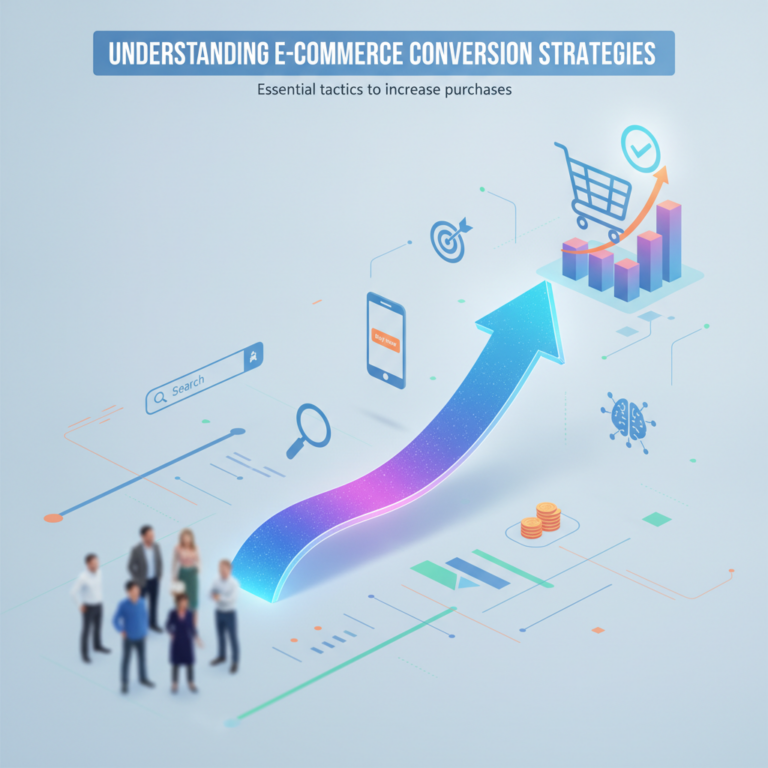 E-Commerce Conversion Strategies
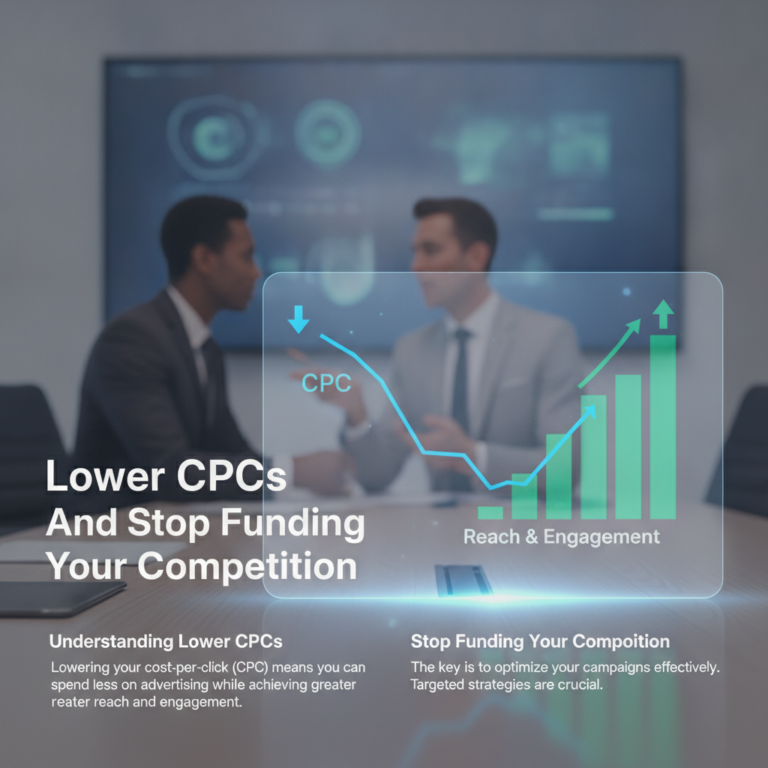 Lower CPCs And Stop Funding Your Competition