
How to Reactivate Cold Email Subscribers With One Campaign: A Step-by-Step Guide
Every marketer knows the feeling: you pour your heart into building an email list, carefully nurturing subscribers, only to watch a significant portion of them go silent. They stop opening your emails, they ignore your offers, and eventually, they become what we affectionately (or despairingly) call “cold email subscribers.” They’re still on your list, but they’re not engaging.
It’s tempting to just let them go or focus solely on new acquisitions, but here’s a powerful truth: those cold subscribers represent a valuable, untapped resource. They once showed interest in what you offer, which means they’re more likely to convert than brand-new leads. The challenge isn’t about finding new prospects; it’s about rekindling that original spark.
The good news? You don’t need a complex, never-ending strategy. With one targeted, well-executed campaign, you can significantly reactivate cold email subscribers, bringing a significant portion back into the fold and improving your overall email marketing performance. This isn’t about a single email; it’s about a focused sequence designed to re-engage, re-qualify, or gracefully say goodbye.
Let’s dive into how to build and launch that game-changing campaign.
Why Do Subscribers Go Cold? Understanding the Roots of Inactivity
Before we jump into reactivation, it’s helpful to understand why subscribers become disengaged in the first place. This insight can help you tailor your reactivation efforts and prevent future coldness.
Initial Interest Faded
Perhaps they signed up for a specific lead magnet or a one-time offer, and their interest in your broader content or products simply wasn’t as deep as you hoped. Their needs might have shifted, or they might have found a solution elsewhere.
Information Overload
In today’s digital age, everyone’s inbox is a battlefield. If your emails aren’t consistently delivering standout value, they can easily get lost in the noise, leading to unopened emails and eventual disengagement. They might love your content but simply don’t have the time to consume it all.
Changing Needs
People evolve, and so do their needs. A product or service that was highly relevant to them six months ago might not be today. Maybe they’ve moved to a different role, their business priorities have changed, or their personal circumstances are different.
Whatever the reason, inactivity isn’t necessarily a personal rejection. It’s an opportunity to re-evaluate and reconnect.
The Power of a Single Reactivation Campaign
Why focus on one campaign instead of scattered attempts? A single, cohesive reactivation campaign offers several key advantages:
- Focus and Clarity: You have a clear objective: re-engage or remove. This allows you to craft messages with laser precision.
- Efficiency: Instead of constantly trying to engage individual cold subscribers, you run a single, automated sequence that does the heavy lifting.
- Improved Deliverability: Removing truly disengaged subscribers from your list signals to email service providers (ESPs) that your list is healthy and engaged, improving the chances of your emails landing in inboxes, not spam folders.
- Better Analytics: A cleaner list means more accurate open rates, click-through rates, and conversion metrics, giving you a clearer picture of your true audience engagement.
- Cost Savings: Many email service providers charge based on the number of subscribers. A smaller, more engaged list can actually save you money while yielding better results.
This isn’t just about cleaning house; it’s about nurturing valuable connections and optimising your entire email strategy.
Phase 1: Preparation – Setting the Stage for Reactivation
Before you write a single word of your campaign, some crucial groundwork is needed.
Defining “Cold”
What constitutes a “cold email subscriber” for your business? This definition is critical. Common criteria include:
- No opens or clicks in the last 90 days (or 120, 180 days).
- No website visits originating from your emails in a specified period.
- No purchases or significant interactions.
Be realistic but also specific. A subscriber who hasn’t opened an email in 30 days might just be busy, while 180 days of silence is a strong indicator of coldness. For a reactivation campaign, aiming for 90-180 days of inactivity is a good starting point, depending on your typical sales cycle and content frequency.
Segmenting Your Cold Subscribers
Once you’ve defined “cold,” segment them into a specific list within your email service provider (ESP). This isolated group will be the sole target of your reactivation efforts. Do not send your regular marketing emails to this segment while the reactivation campaign is running.
Setting Clear Goals
What do you want to achieve?
- Primary Goal: Re-engage subscribers who still want to hear from you.
- Secondary Goal: Identify subscribers who genuinely no longer wish to be contacted and remove them.
- Tertiary Goal: Gather feedback on why they disengaged (optional, but valuable).
Knowing your goals will help you craft compelling messages and calls to action.
Phase 2: Crafting Your Reactivation Campaign – The Email Sequence
This is the core of your strategy. A successful reactivation campaign isn’t a single email; it’s a carefully orchestrated sequence, typically 3-4 emails, designed to progressively increase urgency and present a clear choice.
Email 1: The Gentle Poke & Value Proposition
This first email is designed to gently reintroduce yourself and remind them of the value you offer. It’s not pushy; it’s an invitation.
- Subject Line Tips:
- “Still interested in [Your Topic/Product]?”
- “We miss you! 👋”
- “A quick check-in from [Your Company Name]”
- “Did we lose you?”
- Content Ideas:
- Acknowledge their inactivity (gently): “It looks like you haven’t opened our emails in a while…”
- Remind them of the value: “We’ve been sharing some exciting updates/tips/resources like [mention a recent popular piece of content or feature].”
- Reiterate why they joined: “Remember why you signed up? We’re still here to help you achieve [their goal].”
- Offer a low-barrier engagement: A simple question, a link to your best content, or an update preference center.
- Call to Action (CTA): Keep it simple and low-commitment.
- “Click here to update your preferences and tell us what you want to see.”
- “Check out our latest [blog post/resource] here.”
- “Reply to this email with your biggest [challenge/question]!”
Example:
Subject: Have you missed us? A quick hello from [Your Company]!
Hey [Name],
It looks like it’s been a little while since you last heard from us (or maybe you just haven’t had a chance to open our emails, and that’s totally okay!).
We understand inboxes can get pretty crowded, but we wanted to check in. We’re still dedicated to helping you [achieve specific benefit, e.g., “streamline your workflow,” “grow your business,” “master your craft”].
Since you last engaged, we’ve [mention 1-2 exciting updates, e.g., “launched our new Pro feature,” “published a guide on X,” “hosted a webinar on Y”].
If you’d like to continue receiving our [value proposition, e.g., “weekly insights,” “exclusive deals,” “expert tips”], simply click here to confirm your interest and update your preferences: [Link to Preference Center or “Yes, I’m still interested” button].
We’d love to have you back!
Best,
The Team at [Your Company]
Email 2: The “We Miss You” & Exclusive Offer
If Email 1 didn’t generate engagement after 3-5 days, it’s time for a slightly stronger message, often involving an incentive.
- Subject Line Tips:
- “We really miss you! Here’s why…”
- “A special offer just for you – come back to [Your Company]!”
- “Don’t leave us hanging! 👋 + a gift inside”
- Content Ideas:
- Empathy: “We noticed you didn’t click on our last email, and we understand life gets busy.”
- Re-emphasize benefits: Briefly highlight what they’re missing out on.
- Offer a specific, time-limited incentive: A discount, a free resource, early access, a free consultation. Make it genuinely appealing.
- Personalization: If possible, reference their past interactions or interests.
- Call to Action: Make it clear how to claim the offer and re-engage.
- “Click here to claim your [discount/freebie] and start [benefiting again].”
- “Ready to jump back in? Use code [CODE] at checkout!”
Example:
Subject: Still thinking of you! Here’s a 20% discount to say hello again!
Hey [Name],
We’re still here, hoping to reconnect! We know inboxes can be overwhelming, but we truly value having you as part of the [Your Company] community.
To sweeten the deal and remind you of all the great things happening here, we’d like to offer you a special 20% discount on your next [purchase/subscription/service] as a thank you for your past interest.
This offer is exclusive to you and expires in [7] days.
Click here to instantly activate your discount and explore what’s new: [Link to Offer/Website with discount applied].
We’re confident you’ll find something valuable to help you [reiterate key benefit]. We’d love to have you back!
Warmly,
The [Your Company] Team
Email 3: The “Last Chance” & Segmenting Out
This is the make-or-break email. It’s direct, transparent, and gives the subscriber a clear choice: re-engage or be removed from the list. Send this 3-5 days after Email 2.
- Subject Line Tips:
- “Last chance to stay subscribed to [Your Company]!”
- “Are we saying goodbye? 😥”
- “Important: Do you still want to hear from us?”
- “Your subscription to [Your Company] is ending soon…”
- Content Ideas:
- Be explicit: “Because we haven’t seen you engage with our emails recently, we’re going to remove you from our list.”
- Explain why: “We want to ensure we’re only sending valuable content to people who truly want it.” (Good for deliverability explanation).
- Provide a very clear, single CTA: “Yes, keep me subscribed!” or “No, unsubscribe me.”
- Call to Action: One prominent button to confirm subscription, another (smaller, secondary) to unsubscribe.
- “Click here to stay subscribed and continue receiving [value]!”
- “If you’d prefer not to hear from us, you can unsubscribe here: [Unsubscribe Link].”
Example:
Subject: Important: Your subscription to [Your Company] is about to expire
Hey [Name],
This is our final message to you as a subscriber to [Your Company].
We haven’t heard from you in a while, and we want to respect your inbox. Our goal is to send valuable content only to those who truly want it.
Therefore, if we don’t hear from you by [Date, e.g., 3-5 days from now], we’ll be removing your email address from our list. This means you’ll miss out on [mention value: new insights, exclusive offers, product updates].
If you still want to receive our [content type, e.g., “weekly tips,” “monthly newsletters,” “special promotions”], please click the button below to confirm your interest:
[Large Button: “Yes, I Want to Stay Subscribed!”]
If you take no action, we will automatically remove you from our list on [Date]. Of course, you can always resubscribe anytime on our website.
Thanks for your understanding.
Sincerely,
The [Your Company] Team
Optional Email 4: The “Final Goodbye” (List Hygiene)
For those who didn’t engage with Email 3, you can send one last, very brief email confirming their removal. This is a courtesy and a final confirmation of list hygiene.
- Subject Line: “You’ve been unsubscribed from [Your Company]” or “Goodbye from [Your Company]”
- Content: “As requested (or due to inactivity), your email address has been removed…” Offer a link to resubscribe.
Phase 3: Post-Campaign Actions & Sustained Engagement
Your work isn’t over once the campaign is sent.
Analyzing Results
- Reactivation Rate: How many subscribers re-engaged?
- Unsubscribe Rate: How many chose to leave? This is a positive outcome for list health!
- Spam Complaint Rate: Ideally, this should be very low.
- Engagement Post-Reactivation: Track how your reactivated subscribers behave in subsequent regular campaigns. Are they truly re-engaged?
Cleaning Your List
For those who didn’t engage with your reactivation campaign (and didn’t manually unsubscribe), it’s time to remove them from your active list. This is crucial. Don’t be afraid to let go; an engaged, smaller list is always better than a large, inactive one.
Preventing Future Cold Subscribers
- Set expectations early: Let new subscribers know what to expect and how often.
- Segment from the start: Tailor content to different interests.
- Consistent value: Always strive to deliver high-quality, relevant content.
- Regular list hygiene: Consider running smaller reactivation campaigns periodically (e.g., once a year).
- Encourage preference updates: Make it easy for subscribers to tell you what they want to receive.
Key Principles for Success
To make your campaign truly effective, keep these principles in mind:
- Personalization: Use the subscriber’s name. Segmenting your cold subscribers allows for more targeted messaging.
- Clear Value: Always remind them why they should care about your emails. What problem do you solve? What benefit do you offer?
- Low Barrier to Entry: Make it incredibly easy for them to re-engage. A simple click is best.
- Honesty & Transparency: Be upfront about why you’re reaching out and what the outcome of their decision will be.
- Testing: A/B test your subject lines, CTAs, and even offer types to see what resonates best with your audience.
Conclusion
Don’t let those cold email subscribers languish in the digital wasteland of inactivity. By implementing a well-structured, empathetic, and goal-oriented reactivation campaign, you can breathe new life into your email list. It’s an investment that pays dividends in improved deliverability, more accurate analytics, and most importantly, a more engaged and valuable audience.
Remember, every subscriber on your list once showed interest. Give them one last, compelling reason to come back, and be prepared to respectfully part ways with those who genuinely no longer wish to engage. Your email marketing efforts will be stronger, leaner, and more effective for it. So, take the plunge, define your cold subscribers, and start building that campaign today.
Related Posts
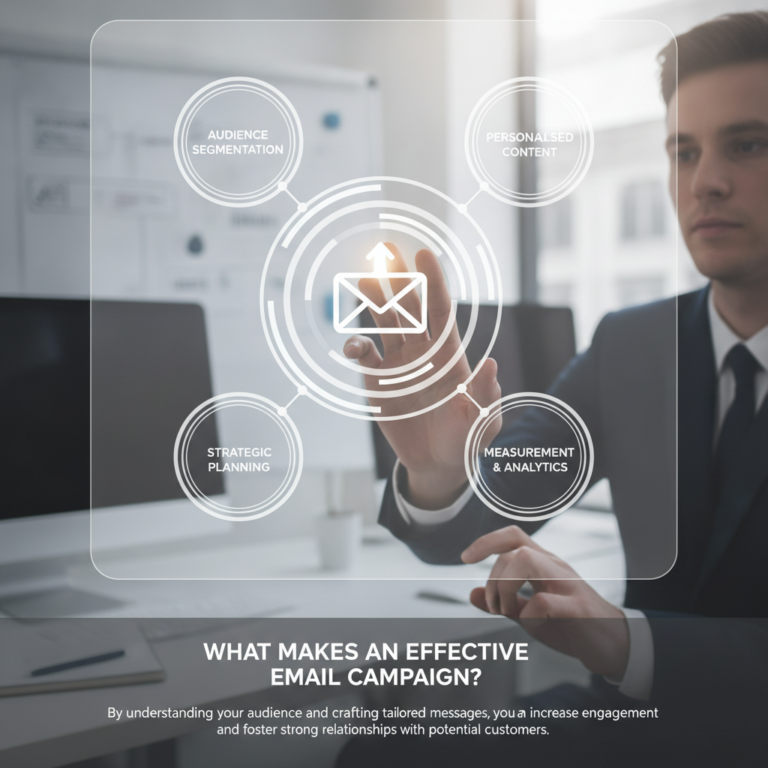 Effective Email Campaign Strategies
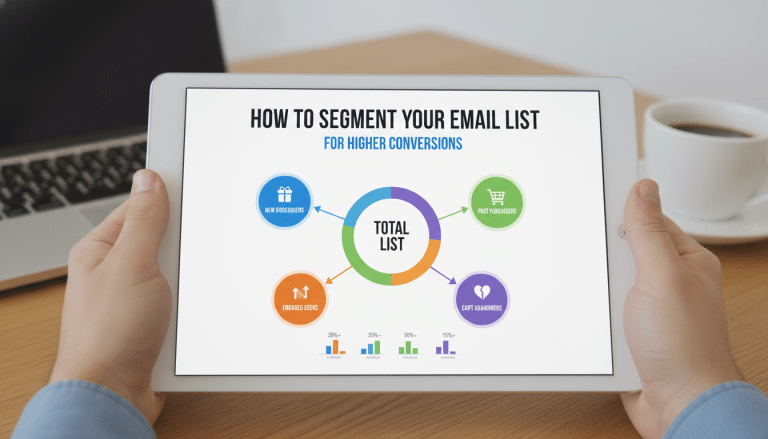 How to Segment Your Email List for Higher Conversions
 10 email marketing pet peeves to avoid in your next campaign
 Catering SEO: Win Event Enquiries Across Dublin
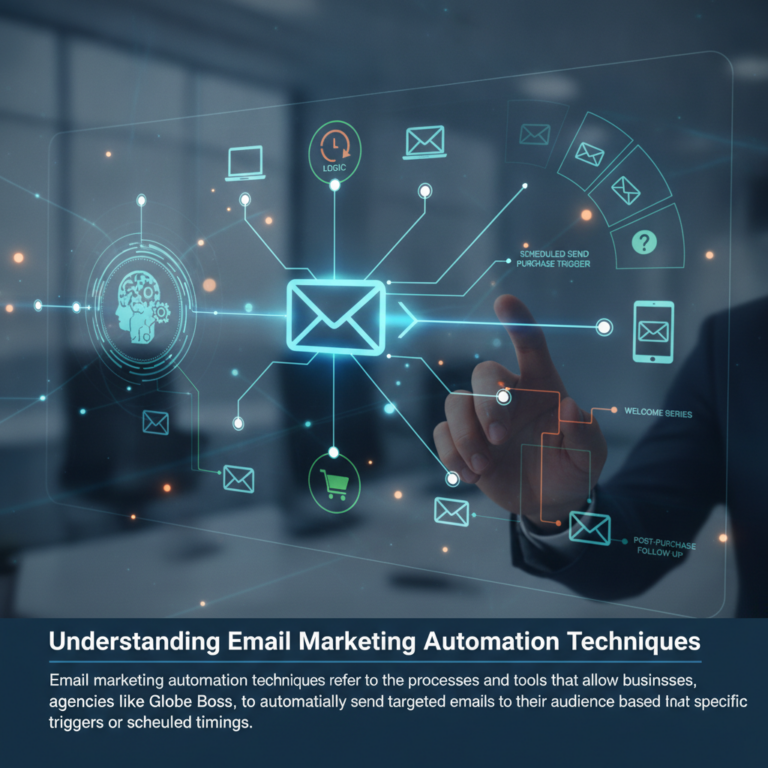 Email Marketing Automation Techniques
 Maximizing Cross-sell Email Strategies for Repeat Business
 Google Adds Local Businesses To EEA Search Units: Major Win For Irish Local SEO
 Win B2B Shortlist Before Buyers Search: Day Zero Brand Strategy