Introduction to AI in Customer Service
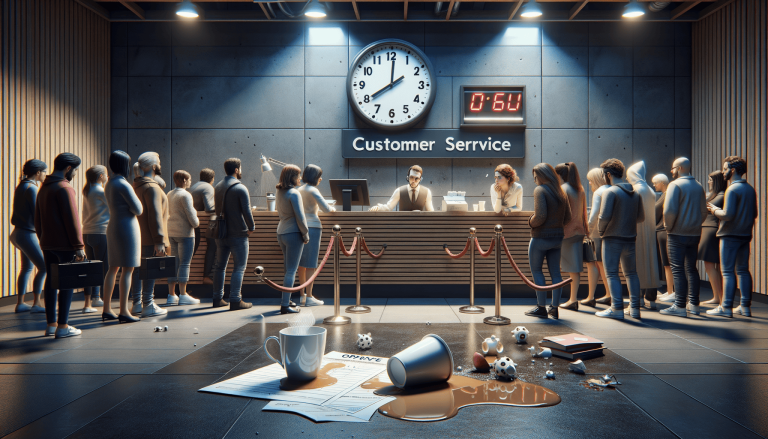
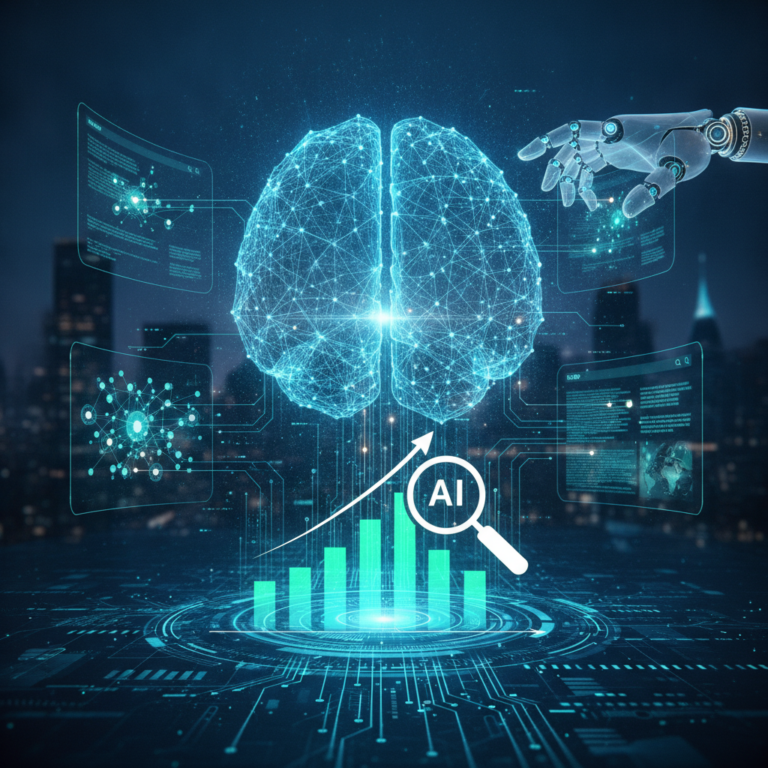
The impact of AI on customer service is profound, transforming the way businesses interact with their customers. With advancements in artificial intelligence, customer service has become not only more efficient but also more personalised. For companies like Globe Boss, a Dublin-based SEO and digital marketing agency, leveraging AI can enhance client interactions and boost overall satisfaction rates.
AI Automation in Customer Service
One of the most significant impacts of AI on customer service lies in automation. Chatbots and virtual assistants are now able to handle a variety of customer inquiries, from common questions to more complex issues. For instance, e-commerce businesses in Ireland that have implemented chatbots report up to a 30% reduction in response times.
24/7 Availability
With AI-powered solutions, customer support can be available around the clock. This ensures that customer inquiries are addressed immediately, thereby enhancing customer satisfaction. According to a recent survey, 60% of customers expect assistance at any time of day. By implementing chatbots, businesses can meet this expectation without increasing staffing costs.
Efficient Query Handling
When AI systems are trained using machine learning, they become adept at understanding customer intent. This allows for quick resolutions and redirected support to human agents when necessary. The average handling time for AI-supported queries can decrease by up to 25%, significantly reducing the workload on human agents and allowing them to focus on more complicated customer issues.
Personalisation Through AI
Another remarkable impact of AI on customer service is its ability to deliver personalised experiences. AI tools can analyse vast amounts of customer data, providing insights into individual preferences and behaviours.
Targeted Recommendations
Based on previous interactions and customer purchase history, businesses can tailor their offers to meet specific needs. For instance, if a client frequently engages with a particular type of content or service, an AI system can generate personalised recommendations, thereby increasing engagement and sales potential. This tailored approach has been shown to improve conversion rates by up to 20%.
Predictive Analytics
AI tools can also predict future customer behaviour. Predictive models can help identify potential issues that a client may face, allowing businesses to proactively offer solutions. For example, if a customer has a history of late payments, an AI-driven alert system can remind them before the due date. This reduces the risk of payment delays and boosts customer trust.
Real-Time Insights and Feedback
AI technologies provide businesses with real-time analytics about customer interactions. Companies can analyse customer feedback almost instantaneously, leading to quicker improvements in service quality.
Gathering Customer Feedback
AI can facilitate the collection of customer feedback through automated surveys and sentiment analysis. For example, after a customer service interaction, an automated follow-up survey can gauge satisfaction levels. This data allows businesses to adjust their strategies quickly, ensuring that client concerns are addressed promptly. Businesses can achieve significant improvements in customer satisfaction with just a few simple surveys, with some clients reporting a 15% increase in positive feedback within three months of implementation.
Deciding Where to Focus Efforts
By analysing customer interactions, businesses can identify recurring issues and trends. If a particular question or concern arises frequently, resources can be shifted to address those areas. This kind of strategic focus can lead to more efficient support systems and higher customer satisfaction ratings.
Challenges of Implementing AI in Customer Service
While the benefits of AI in customer service are numerous, challenges do exist. The deployment timeline, cost of implementation, and the need for ongoing management must be considered. For many small to medium-sized enterprises in Ireland, the initial investment can range from €10,000 to €50,000, depending on the complexity of the system.
Employee Training
A critical aspect of implementing AI in customer service settings is training human agents to work alongside AI systems. For instance, customer service teams will need to learn how to interpret data from AI tools to enhance their service. This could involve a training period of several weeks to ensure a seamless integration.
Maintaining a Human Touch
There’s a fine balance between automation and preserving a personal touch in customer service. Customers still value human interaction, especially in complex queries. Businesses need to ensure that AI is used to augment human capabilities, not replace them entirely. Maintaining that human connection is essential for long-term customer loyalty.
Future Trends in AI and Customer Service
The evolution of AI technology will continue to shape customer service. Emerging trends suggest that more sophisticated AI systems will be developed, allowing for more nuanced interactions. Natural Language Processing (NLP), for example, will improve AI’s ability to understand varied customer speech patterns, thereby enhancing communication efficiency.
Integration with Other Technologies
As AI technology aligns with other advancements such as augmented reality (AR) and voice recognition, customer service is likely to become more interactive. Companies that integrate these technologies stand to provide a more engaging customer experience. Companies in Ireland can expect increased use of voice-activated customer service over the next few years, making it a vital area to watch.
Improved AI Ethics and Transparency
As AI adoption increases, ethical considerations surrounding data usage and customer privacy will also gain prominence. Companies will need to be transparent about data handling practices to build trust. Implementing clear policies and openly communicating them to clients will become a necessity in maintaining customer confidence.
FAQ
- How does AI improve customer response time?
AI can answer common inquiries instantly, reducing wait times significantly for customers. - Can AI personalise customer interactions?
Yes, AI uses data to customise interactions based on customer preferences and behaviours. - What challenges can arise from AI in customer service?
Challenges include the cost of implementation, the need for employee training, and ensuring that the human touch persists. - Is AI completely replacing human agents?
No, AI is designed to assist and augment human capabilities, not replace them. Human agents will continue to handle more complex queries. - How can I get started with AI in customer service?
Start by assessing your current customer service processes and identifying areas where AI can make a measurable impact. Consulting a digital marketing agency could also be beneficial.
Conclusion
The impact of AI on customer service is undeniable, offering remarkable efficiencies, enhanced customer experiences, and valuable insights. As businesses like Globe Boss continue to integrate AI into their customer interactions, they set themselves up to meet the evolving demands of their clients. Embracing AI is not just about adopting new technology; it’s about fundamentally transforming how businesses engage with their customers. To learn more about how AI can enhance your customer service, explore our free SEO audit or check out The Traffic Playbook.
For any inquiries, feel free to email moc.ssobebolg@ofni or call +353 1 868 2345.