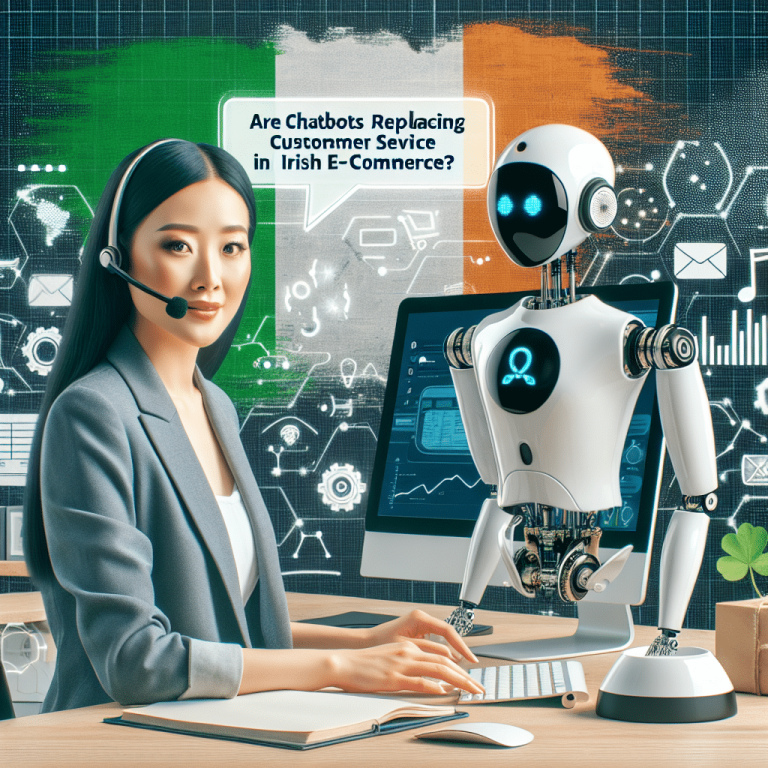
Introduction to Chatbots in Customer Service
Chatbots for customer service provide an automated way to interact with customers through messaging applications, websites, or mobile apps. By leveraging artificial intelligence, these chatbots can handle inquiries, provide support, and assist in transactions. In the context of businesses in Ireland, implementing chatbots can significantly enhance customer engagement, reduce response times, and lower operational costs while ensuring 24/7 availability.
Benefits of Implementing Chatbots
1. Improved Customer Engagement
Chatbots offer instant responses to customer queries, improving satisfaction rates. Reports suggest that customers appreciate receiving quick answers, with 64% of internet users claiming that 24/7 service is one of the best features a company can offer.
2. Cost Efficiency
According to a study by Juniper Research, chatbots may help businesses save over €8 billion per year by 2022 through automation of customer service roles. By reducing the need for human agents, companies can allocate resources more effectively, leading to increased productivity. For businesses in Ireland, this translates into streamlined operations and improved bottom lines.
3. Enhanced Data Collection
Chatbots can collect valuable data during customer interactions, enabling businesses to analyse customer behaviours, preferences, and frequently raised queries. This data can guide strategies for improving products, services, and marketing. Enhanced analytics can lead to tailored experiences, increasing customer loyalty.
Key Features of Effective Chatbots
1. Natural Language Processing (NLP)
An effective chatbot should understand and respond in a conversational manner. Implementing NLP allows the chatbot to interpret customer inquiries accurately, making interactions feel more human-like. This capability can significantly reduce frustration for users, leading to higher engagement rates.
2. Multi-channel Support
Irish businesses should consider deploying chatbots across multiple platforms, including social media channels like Facebook and Instagram, websites, and even within their mobile applications. A multi-channel approach allows businesses to meet customers where they are, ensuring broader accessibility.
3. Personalization Capabilities
Customers expect personalized experiences. Well-designed chatbots can access customer data and history to tailor responses. Customizing interactions can lead to higher satisfaction and increased conversion rates; 74% of consumers feel frustrated when website content is not personalized to their needs.
Steps to Implementing Chatbots in Your Business
1. Identify Objectives
Before diving into chatbot development, it’s crucial to determine what you hope to achieve. Do you want to enhance customer support, reduce inbound call volume, or improve lead generation? Clear objectives set the groundwork for successful implementation.
2. Choose the Right Platform
Numerous platforms exist for developing chatbots, such as HubSpot, ManyChat, or Google Dialogflow, each with unique features and pricing. Research the options to find a platform that aligns best with your business needs and budget. For smaller businesses, low-cost, user-friendly options are advisable to minimise overheads.
3. Design Conversational Flows
Developing a clear and logical conversational flow is key to effective chatbot design. Map out common customer queries, create response templates, and ensure smooth transitions between topics. Incorporating fail-safes, such as redirecting to a human agent when necessary, can prevent customer frustration.
4. Testing and Training
Prior to launching your chatbot, conduct thorough testing. Focus on user experience, accuracy of responses, and overall functionality. Training your chatbot with actual customer inquiries helps it learn and refine its ability to handle queries effectively.
5. Monitor and Improve
The launch is just the beginning; ongoing monitoring is crucial. Gather analytics on chatbot interactions to identify patterns, areas for improvement, and customer feedback. Regular updates and enhancements based on real-time data will keep your chatbot relevant and effective.
Irish Context: Chatbots in the Local Market
In Ireland, the chatbot market is rapidly growing as businesses embrace digital transformation. Industries such as retail, hospitality, and banking are leveraging chatbots to meet increasing consumer demands for rapid responses. According to a report by PwC, 27% of consumers in Ireland prefer to interact with brands using chatbots over traditional methods, emphasising the need for businesses to adapt. Furthermore, investment in chatbot technology is poised to increase as businesses seek to enhance customer experience across sectors.
FAQ
1. Are chatbots suitable for all types of businesses?
While chatbots are beneficial for many businesses, their effectiveness largely depends on the nature of the service or product offered. Businesses with high volumes of customer interactions typically benefit the most from implementing chatbots.
2. How much does it cost to implement a chatbot?
The cost of chatbot implementation varies, ranging from a few hundred euros for simple solutions to several thousand for more complex systems integrated with existing technologies. It’s essential to evaluate the return on investment based on projected savings and additional revenue generated.
3. How long does it take to set up a chatbot?
The timeline for setting up a chatbot can vary. Simple chatbots can be deployed in a few weeks, while more sophisticated systems with advanced AI capabilities may take several months. It’s vital to allocate adequate time for testing and refinement.
4. Will chatbots completely replace human agents?
No, chatbots are designed to assist human agents, not replace them entirely. While they handle routine queries effectively, human agents are still essential for complex issues that require nuanced understanding and empathy.
5. Can I integrate a chatbot with my existing CRM?
Many modern chatbot platforms offer integrations with popular CRM systems, allowing seamless data flow between the two. This integration enhances the chatbot’s efficiency by providing context and history, leading to more informed customer interactions.
Conclusion
Chatbots for customer service are undeniably transforming how businesses engage with their customers. By improving response times, enhancing customer satisfaction, and providing valuable data insights, they create an efficient, customer-centric service model. As Irish businesses continue to implement this technology, the emphasis must remain on refining chatbot capabilities to meet the evolving needs of consumers. For further insights, consider requesting a free SEO audit to enhance your digital strategies or explore The Traffic Playbook for driving more traffic to your customer service channels.
For more information, feel free to email moc.ssobebolg@ofni or call +353 1 868 2345.