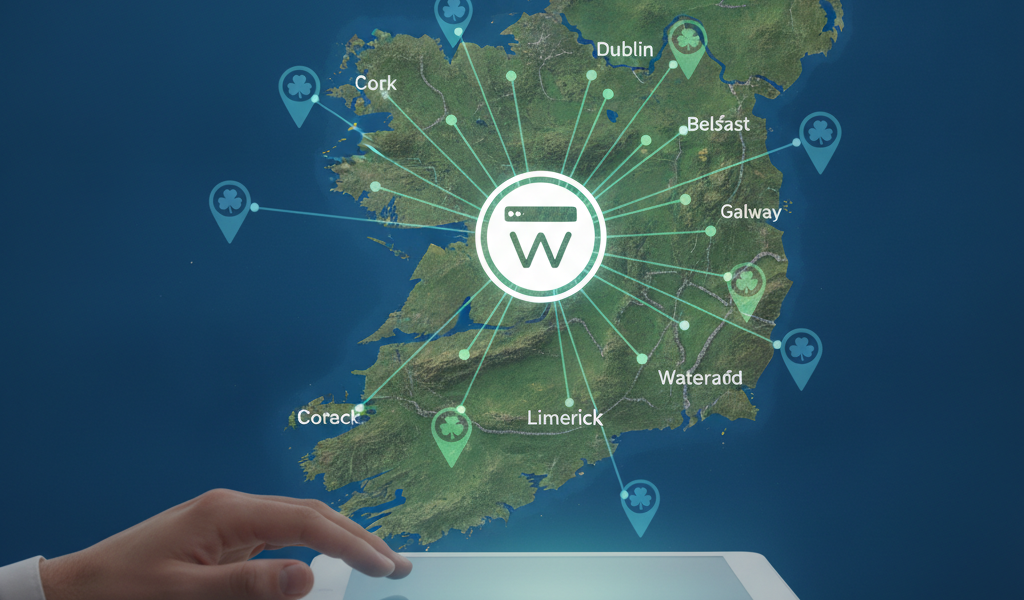
Managing search visibility across several cities or regions is one of the more nuanced challenges in digital marketing. The good news? You don’t need a separate website for each location. With the right approach to multi-location SEO, a single, well-structured website can rank effectively in multiple areas — capturing local search traffic, building trust with regional audiences, and growing your business without the overhead of managing multiple domains.
This guide walks through how to make it work.
What Is Multi-Location SEO and Why Does It Matter?
Multi-location SEO refers to the practice of optimising a single website to appear in local search results across two or more geographic areas. If your business operates in Dublin, Cork, and Galway, for example, you want people in each of those cities to find you when they search for what you offer — not just visitors who happen to stumble on your homepage.
The challenge is that Google’s local search algorithm is highly location-aware. It prioritises businesses that appear relevant and credible to users in a specific area. Without a deliberate strategy, a business based in one city can struggle to show up meaningfully in another — even if they actively serve customers there.
Getting this right matters more than many businesses realise. According to Google, nearly half of all searches have local intent. If your site isn’t structured to communicate relevance across your service areas, you’re leaving a significant portion of potential traffic on the table.
Building the Right Site Structure for Multiple Locations
Create Dedicated Location Pages
The cornerstone of any multi-location SEO strategy is having a unique, well-developed page for each location you serve. These aren’t thin placeholder pages with a name and address swapped in — they need real, location-specific content that’s genuinely useful to someone in that area.
A good location page might include:
- A description of the services offered in that specific area
- Local contact details and a Google Maps embed
- References to nearby landmarks, neighbourhoods, or regional context
- Testimonials or case studies from local customers
- Local business hours if they differ by location
Think of each page as a mini landing page for that city. It should feel like it was written for someone in that place, not just stamped with a city name.
Use a Logical URL Structure
How you organise your URLs matters for both search engines and users. A clean, consistent structure — such as yourwebsite.com/locations/dublin or yourwebsite.com/dublin-plumber — signals to Google that these are distinct, meaningful pages rather than duplicate content.
Keep the structure flat where possible. Avoid burying location pages several clicks deep in your site architecture, as that reduces crawl priority and makes them harder for users to find.
Don’t Duplicate Content Across Pages
One of the most common mistakes businesses make is copying the same content across all location pages and simply replacing the city name. Google is good at identifying this, and duplicate content can actively harm your rankings rather than helping them.
Each location page needs a meaningfully different angle. Talk about what makes your service relevant in that specific region. Reference local industry considerations, climate, regulations, or customer expectations where they genuinely differ. It takes more effort, but it’s the approach that actually works.
Google Business Profiles: The Local SEO Engine
Set Up a Profile for Every Physical Location
Google Business Profile (GBP) is one of the most powerful tools in local SEO, and it’s entirely separate from your website. For businesses with multiple physical locations, each location should have its own GBP listing, with accurate NAP details (Name, Address, Phone number) that match what’s on your website.
Inconsistent information across listings is a surprisingly common issue. If your Dublin address is formatted one way on your website and a slightly different way on your GBP listing, that inconsistency can dilute your local authority. Tools like BrightLocal or Moz Local can help you audit and manage this across multiple listings efficiently.
Optimise Each Profile Individually
Don’t treat your GBP listings as a set-it-and-forget-it task. Each profile should have:
- A complete business description using locally relevant language
- The correct primary and secondary categories
- Regular photo updates (Google’s own data suggests businesses with photos receive 42% more direction requests)
- Active Q&A management and responses to reviews
A well-maintained GBP profile can appear in the local pack — the map-based results at the top of search pages — which often generates more clicks than standard organic results for local queries.
On-Page Optimisation for Multi-Location SEO
Target Location-Specific Keywords Naturally
Each location page should be written around the search queries people in that area actually use. Tools like Google Search Console, Ahrefs, or Semrush can help you identify what those are. You’re looking for a combination of service terms and geographic qualifiers — things like "accountant in Limerick" or "roof repair Cork."
The key is to use these naturally. A page that repeats a phrase like "best plumber in Dublin" seventeen times reads like spam and often ranks poorly as a result. Modern search algorithms reward content that comprehensively covers a topic, not content that obsessively targets a single phrase.
Use Structured Data Markup
Adding LocalBusiness schema markup to your location pages gives search engines explicit, machine-readable information about your business — including location, contact details, opening hours, and more. This doesn’t guarantee a ranking boost, but it does help Google understand and accurately present your content, particularly in rich results and knowledge panels.
There are free tools like Google’s Rich Results Test that let you validate your structured data before publishing.
Building Local Authority Through Links and Citations
For each location you want to rank in, building local relevance off your website is just as important as what’s on it. This means:
Local citations — listings in directories specific to your region or industry. In Ireland, that might include Golden Pages, Yelp Ireland, or local Chamber of Commerce directories. Consistent, accurate citations reinforce your presence in a given area.
Local backlinks — links from other websites in the target region carry significant weight. Getting a mention in a local news outlet, partnering with a nearby business, or sponsoring a community event can all generate the kind of geographically relevant links that strengthen local rankings.
Reviews — both on Google and third-party platforms. Reviews don’t just build trust with customers; they also factor into local search rankings. Encourage satisfied customers in each location to leave a review mentioning the city or specific service they received.
Common Pitfalls to Avoid
Targeting Too Many Locations Too Quickly
It’s tempting to create location pages for every city in a region right away, but thin coverage across twenty locations is rarely as effective as strong, well-developed content for five. Start with your highest-priority markets and build out from there once those pages have had time to gain traction.
Ignoring Internal Linking
Your location pages shouldn’t exist in isolation. Link to them from your homepage, service pages, and blog content where it makes sense. Internal linking distributes authority across your site and makes it easier for Google to understand how your pages relate to each other.
Neglecting Mobile Experience
Local searches are disproportionately mobile. If your site loads slowly or the layout breaks on a smartphone, you’re losing a significant portion of your local audience before they’ve even read a word. Google’s PageSpeed Insights tool gives you a free, actionable breakdown of how your site performs on mobile.
Frequently Asked Questions
Do I really need separate pages for each location, or can I list them all on one page?
A single page listing all your locations might work for brand discovery, but it won’t rank well for location-specific searches. Each city or service area deserves its own dedicated page with unique content to compete effectively in local results.
How long does it take to see results from multi-location SEO?
Local SEO typically takes three to six months to show meaningful results, sometimes longer in competitive markets. Factors like domain age, existing authority, and how well-established your competitors are all influence the timeline.
Is it better to have one website or multiple domain names for different locations?
In most cases, one website with dedicated location pages is the more practical and effective approach. Managing multiple domains means splitting your SEO authority, your content efforts, and your backlink strategy. A single, well-structured domain tends to perform better over time.
What if I serve customers in an area but don’t have a physical address there?
This is a common scenario for service-area businesses. You can still create location pages targeting those areas and list yourself as a service-area business on Google (without displaying an address). The key is to make your content genuinely relevant to that region.
How many location pages is too many?
There’s no hard limit, but quality matters far more than quantity. If you’re creating pages purely to target keywords rather than because you genuinely serve those areas, Google may eventually treat them as doorway pages — which can lead to penalties rather than rankings.
Conclusion
Multi-location SEO on a single website is entirely achievable — but it rewards businesses that take a thoughtful, long-term approach over those looking for quick shortcuts. The strategy is built on genuine relevance: pages that speak to real customers in specific places, accurate and consistent local business information, and a website that functions well on any device.
The businesses that succeed at this aren’t necessarily the ones with the biggest budgets. They’re the ones who invest time in doing the fundamentals properly — building out quality location content, maintaining their Google Business profiles, and earning credibility in each market they serve.
Ready to Improve Your Local Search Visibility?
If you’re looking to grow your presence across multiple locations and want expert guidance on where to start, we’re happy to help. Whether you have questions about your current site structure, want a local SEO audit, or need a clear strategy for expanding into new markets, our team is here to talk it through.
Get in touch today — email us at moc.ssobebolg@ofni or give us a call at +353 1 868 2345. We’ll help you figure out the best path forward for your business.
Related Posts
 Is Your Irish Business Website Inside Google AI Retrieval Pipeline? Check Now
 Proven Tactics to Fix Your Irish Business Traffic Problem
 What Schema Markup Is and Why Every Irish Website Needs It
 How to Choose the Right Hosting for an Irish Business Website
 Improve Website Visibility with Top Irish SEO Experts
 Building trust one click at a time in the Irish market
 Location Pages That Rank Without Being Doorway Pages
 Pinterest for Irish Retailers: Traffic Beyond Google