
Technical SEO Audit for Dublin Websites and Startups: A Globe Boss Perspective
Dublin, a vibrant hub for tech innovation and startup culture, is brimming with ambitious companies vying for online visibility. In this competitive landscape, a strong online presence is no longer a luxury, but a necessity. For Dublin-based websites and startups, excelling in search engine optimisation (SEO) is paramount to attracting customers, building brand awareness, and driving revenue. While content marketing and link building are crucial components of a successful SEO strategy, a solid technical foundation is equally vital. This article, written from the perspective of a hypothetical SEO agency leader – “Globe Boss” – provides an in-depth look at the essential elements of a technical SEO audit tailored specifically for Dublin websites and startups. We’ll explore key areas, focusing on the specific challenges and opportunities presented by the Dublin market.
Understanding the Importance of Technical SEO for Dublin Businesses
Technical SEO refers to the process of optimising your website to make it easier for search engine crawlers to understand, index, and rank your content. It focuses on the structural and architectural elements that influence how search engines perceive your website. In Dublin, where competition is fierce, neglecting technical SEO can significantly hinder your organic search performance. Here’s why it’s crucial for Dublin websites and startups:
-
Improved Crawlability and Indexing: Dublin websites often face competition from established international brands. Ensuring your website is easily crawled and indexed by Google and other search engines allows you to compete effectively, even with limited resources. Technical SEO helps search engines efficiently discover and understand your content, increasing the chances of it appearing in search results.
-
Enhanced User Experience (UX): Technical SEO indirectly influences user experience. A faster loading website, a mobile-friendly design, and a secure connection all contribute to a positive user experience. Dubliners are increasingly tech-savvy and expect seamless online experiences. A poorly optimised website can lead to high bounce rates and lost potential customers.
-
Mobile-First Indexing Optimization: Google prioritizes mobile-first indexing, meaning it primarily uses the mobile version of your website for indexing and ranking. Given the high smartphone penetration in Dublin, a mobile-friendly website is non-negotiable. Technical SEO ensures your website is optimised for mobile devices, providing a consistent and user-friendly experience across all platforms.
-
Competitive Advantage: Many Dublin startups focus heavily on content creation and marketing, often overlooking the importance of technical SEO. By addressing the technical aspects of your website, you can gain a significant competitive advantage over your rivals. A technically sound website provides a solid foundation for your overall SEO strategy, allowing you to outperform competitors with similar content quality.
- Targeting Local Dublin Keywords: While technical SEO is generally applicable, it also plays a role in optimising for local keywords. By correctly implementing schema markup and ensuring consistent NAP (Name, Address, Phone number) information, you can improve your website’s visibility in local search results, attracting customers in the Dublin area.
Key Elements of a Technical SEO Audit for Dublin Websites
A comprehensive technical SEO audit involves examining various aspects of your website to identify areas for improvement. Here’s a detailed breakdown of the key elements:
1. Website Crawlability and Indexability:
- Crawlability: This refers to search engine bots’ ability to access and navigate your website.
- Robots.txt: Review your robots.txt file to ensure you’re not accidentally blocking crucial pages from being crawled. Conversely, verify that you are blocking sensitive or duplicate content.
- XML Sitemap: Ensure you have a well-structured XML sitemap submitted to Google Search Console. This helps search engines discover and index all your important pages.
- Internal Linking Structure: Analyze your internal linking structure to ensure pages are easily discoverable and that link equity is distributed effectively. Orphan pages (pages with no internal links) should be identified and addressed. For Dublin businesses, consider strategically linking to pages relevant to local services or products.
- Broken Links: Identify and fix any broken internal and external links. Broken links create a poor user experience and can negatively impact your SEO.
- Indexability: This refers to whether search engines are allowed to index your pages.
- Meta Robots Tags: Check your meta robots tags (e.g., noindex, nofollow) to ensure you’re not accidentally preventing important pages from being indexed.
- Canonical Tags: Implement canonical tags to specify the preferred version of a page when duplicate content exists. This prevents search engines from penalizing you for duplicate content issues, which are common on e-commerce sites and websites with multiple similar pages.
- HTTPS Implementation: Ensure your website is secure with HTTPS. Google prioritizes secure websites, and HTTPS is a ranking signal.
2. Website Speed and Performance:
- Page Speed: Page speed is a critical ranking factor and directly impacts user experience. Use tools like Google PageSpeed Insights, GTmetrix, and WebPageTest to analyse your website’s loading speed and identify areas for improvement.
- Image Optimization: Optimize images by compressing them without sacrificing quality. Use appropriate image formats (e.g., WebP) to reduce file sizes.
- Leverage Browser Caching: Implement browser caching to store static resources on users’ devices, reducing loading times on subsequent visits.
- Minify CSS, JavaScript, and HTML: Minifying these files removes unnecessary characters, reducing file sizes and improving loading speeds.
- Content Delivery Network (CDN): Consider using a CDN to distribute your website’s content across multiple servers, ensuring faster loading times for users in different geographic locations. This is particularly relevant for Dublin businesses targeting a wider international audience.
- Hosting Performance: Assess the performance of your web hosting provider. Slow or unreliable hosting can significantly impact your website’s speed and performance.
3. Mobile Friendliness:
- Responsive Design: Ensure your website is responsive, meaning it adapts seamlessly to different screen sizes and devices. Use Google’s Mobile-Friendly Test to check your website’s mobile friendliness.
- Mobile Page Speed: Pay close attention to mobile page speed, as mobile users often have slower internet connections.
- Viewport Meta Tag: Ensure you have the viewport meta tag correctly implemented to control how your website scales on different devices.
- Mobile-First Content: Consider prioritizing content creation for mobile devices, as Google primarily uses the mobile version of your website for indexing.
4. Website Architecture and Structure:
- URL Structure: Use a clear and logical URL structure that reflects your website’s content hierarchy. Avoid long, complex URLs with unnecessary parameters.
- Site Navigation: Ensure your website has a clear and intuitive navigation system. Users should be able to easily find the information they’re looking for.
- Breadcrumb Navigation: Implement breadcrumb navigation to help users understand their location within your website and to improve internal linking.
- Silo Structure: Consider using a silo structure to organise your content around specific topics. This helps search engines understand the relevance of your content and improves your website’s overall SEO.
5. Structured Data Markup (Schema.org):
- Schema Markup: Implement structured data markup (Schema.org) to provide search engines with more context about your content. This can improve your website’s visibility in search results and enhance click-through rates.
- Local Business Schema: For Dublin businesses, implementing local business schema is crucial for improving visibility in local search results. Include your business name, address, phone number, business hours, and other relevant information.
- Product Schema: If you sell products online, use product schema to provide information about your products, such as price, availability, and reviews.
- Article Schema: For blog posts and articles, use article schema to provide information about the author, publication date, and content type.
6. Duplicate Content Issues:
- Identify and Address Duplicate Content: Duplicate content can confuse search engines and negatively impact your SEO. Use tools like Copyscape to identify duplicate content on your website and address the issue by using canonical tags, redirects, or rewriting the content.
- Thin Content: Identify and address pages with thin or low-quality content. Consider expanding the content, merging it with other pages, or removing it altogether.
7. International SEO (If Applicable):
- Hreflang Tags: If you target multiple languages or countries, implement hreflang tags to tell search engines which language and region each page is intended for. This is particularly relevant for Dublin businesses targeting the UK or other English-speaking markets.
- Country-Specific Domains or Subdomains: Consider using country-specific domains (e.g., .ie for Ireland, .uk for the UK) or subdomains to target specific regions.
8. Log File Analysis:
- Analyzing Server Log Files: Analyzing your server log files can provide valuable insights into how search engines are crawling your website. You can identify crawl errors, discover pages that are not being crawled, and gain a better understanding of search engine behavior.
Tools for Conducting a Technical SEO Audit:
Several tools can assist you in conducting a technical SEO audit. Some popular options include:
- Google Search Console: A free tool from Google that provides valuable data about your website’s search performance, crawl errors, and indexing issues.
- Google PageSpeed Insights: A free tool from Google that analyses your website’s page speed and provides recommendations for improvement.
- GTmetrix: A popular website speed testing tool that provides detailed performance reports.
- WebPageTest: A powerful website speed testing tool with advanced configuration options.
- Screaming Frog SEO Spider: A desktop crawler that can crawl your website and identify technical SEO issues.
- SEMrush: A comprehensive SEO tool that includes a site audit feature for identifying technical SEO issues.
- Ahrefs: Another comprehensive SEO tool with a powerful site audit feature.
- Copyscape: A plagiarism checker that can help you identify duplicate content on your website.
Challenges Specific to Dublin Websites and Startups:
While the general principles of technical SEO apply to all websites, Dublin websites and startups face some unique challenges:
- Competition from Established Brands: Competing with established international brands requires a robust technical SEO strategy to ensure your website is easily crawled, indexed, and ranked.
- Mobile-First Optimization is Crucial: Given the high smartphone penetration in Dublin, mobile-first optimisation is paramount.
- Local SEO Considerations: Optimizing for local keywords and ensuring accurate NAP information is essential for attracting customers in the Dublin area.
- Resource Constraints: Startups often face resource constraints, making it challenging to invest in technical SEO expertise.
- Rapid Growth and Scalability: Startups often experience rapid growth, requiring a scalable technical SEO strategy that can adapt to changing needs.
Globe Boss‘s Recommended Approach:
As Globe Boss, I would recommend a phased approach to technical SEO audits for Dublin websites and startups:
- Initial Assessment: Begin with a comprehensive technical SEO audit to identify all existing issues and opportunities. Prioritize issues based on their impact on search performance and user experience.
- Implementation: Implement the recommended changes in a phased manner, starting with the most critical issues. Focus on improving crawlability, indexability, website speed, and mobile friendliness.
- Monitoring and Maintenance: Continuously monitor your website’s search performance and technical SEO health. Regularly crawl your website to identify and fix any new issues. Stay up-to-date with the latest SEO best practices and algorithm updates.
- Training and Empowerment: Empower your team with the knowledge and skills to maintain your website’s technical SEO health. Consider providing training on basic SEO principles and best practices.
By addressing the technical aspects of your website, Dublin websites and startups can lay a strong foundation for long-term SEO success and achieve their online goals. Remember, a technically sound website is not just about pleasing search engines; it’s about providing a positive user experience and building a brand that thrives in the competitive Dublin market.
Related Posts
 Technical SEO Audit for Dublin Websites
 How much do Dublin agencies charge for a technical SEO audit?
 On-Page SEO Audit & Optimization | Globe Boss Dublin Experts
 The Dublin startup that refused to stay small
 Dublin Technical SEO: Configuring Your Robots.txt File
 SEO
Optimization Dublin
SEO
Optimization Dublin  Who specializes in technical SEO in Dublin – Globe Boss SEO
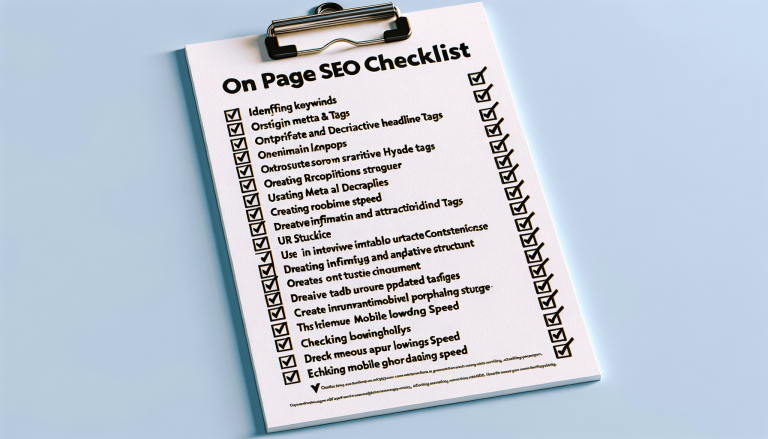 On page SEO checklist