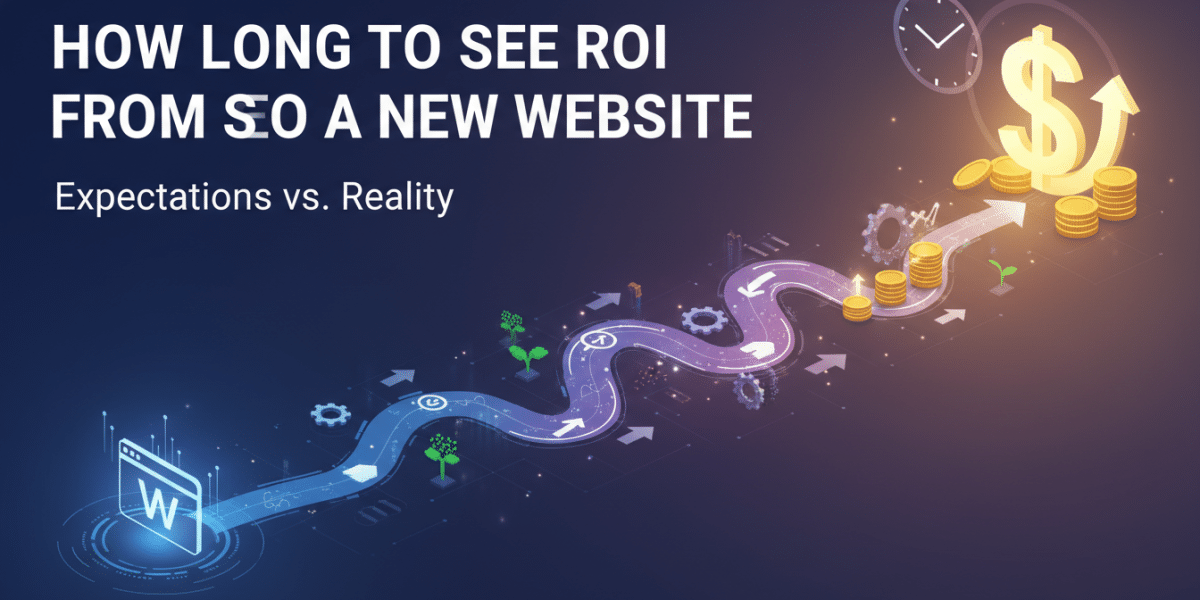
How Long to See ROI from SEO for a New Website: A Realistic Timeline and Key Factors
Launching a new website is an exciting endeavor, brimming with potential to reach new customers and build a strong online presence. Integral to this success is Search Engine Optimization (SEO), the practice of optimising your website to rank higher in search engine results pages (SERPs) for relevant keywords. However, a common question looms large: how long will it take to see a return on investment (ROI) from SEO efforts for a brand-new website?
The simple answer is: it varies. Unlike paid advertising, which can deliver immediate results, SEO is a long-term strategy that requires patience and consistent effort. There’s no magic bullet or guaranteed timeframe. Several factors significantly influence the speed at which you’ll see a positive ROI from your SEO investment. Understanding these factors is crucial for setting realistic expectations and optimising your strategy for success.
Understanding the Elusive Timeline:
While a precise timeframe is impossible to predict, a realistic expectation for seeing significant ROI from SEO for a new website is typically 6 to 12 months, and often longer. This timeframe isn’t arbitrary. It reflects the time it takes for search engines like Google to crawl, index, and rank a new website, as well as the time required to build authority, create valuable content, and optimise your site for relevant keywords.
Think of it as planting a tree. You don’t expect to harvest fruit the day after planting the sapling. You need to nurture it, provide it with the right conditions, and allow it time to grow and mature before it bears fruit. SEO is similar. It requires ongoing effort, consistent optimisation, and a patient approach to see the desired results.
Key Factors Influencing Your SEO ROI Timeline:
Several factors contribute to the variability in SEO ROI timelines for new websites. Understanding these factors allows you to identify areas where you can accelerate the process and maximize your returns.
1. Website Authority and Domain Age:
- Domain Age: Older domains often, but not always, have an advantage in terms of trust and authority. Search engines tend to trust established websites more than brand-new ones. While age isn’t the only ranking factor, it’s a contributing element. A brand new domain starts with zero authority, so building that trust takes time.
- Existing Domain Authority (if applicable): If you’re migrating to a new domain from an existing one, you can potentially transfer some of your existing authority through proper redirects and other technical SEO strategies. This can significantly shorten the timeline compared to starting from scratch.
- Backlink Profile: A strong backlink profile, consisting of high-quality links from reputable websites, is a crucial ranking factor. Building backlinks takes time and effort. New websites naturally lack this established backlink profile, which directly impacts their ability to rank quickly.
Impact on ROI: Lower domain authority and a lack of backlinks will significantly extend the time it takes to see ROI. Focus on building high-quality backlinks and establishing your website as a trusted source of information.
2. Keyword Competition:
- Keyword Difficulty: The level of competition for your target keywords plays a significant role in how quickly you can achieve high rankings. Highly competitive keywords, those with high search volume and dominated by established players, will take considerably longer to rank for.
- Niche Specificity: If your niche is highly competitive, with numerous established websites already targeting the same keywords, expect a longer timeline. Conversely, if you’re operating in a less competitive niche, you may see faster results.
- Long-Tail Keywords: Targeting long-tail keywords (longer, more specific phrases) can be a strategic way to achieve quicker wins. These keywords often have lower search volume but also lower competition, allowing you to rank more easily and drive targeted traffic.
Impact on ROI: Conducting thorough keyword research and targeting a mix of short-tail and long-tail keywords is essential. Focus on low-competition keywords initially to build momentum and then gradually target more competitive terms as your website gains authority.
3. Content Quality and Quantity:
- Content Depth and Relevance: Search engines prioritize websites that provide valuable, informative, and engaging content that satisfies user intent. Creating in-depth, high-quality content that thoroughly covers your target topics is crucial for ranking well.
- Content Freshness and Regularity: Consistently publishing fresh, relevant content signals to search engines that your website is active and up-to-date. Regular content updates can significantly improve your rankings and attract more organic traffic.
- Content Uniqueness: Duplicate content, whether internal or external, can negatively impact your SEO performance. Ensure that all your content is original and unique.
Impact on ROI: High-quality, relevant, and regularly updated content is the foundation of any successful SEO strategy. A content-rich website will attract more organic traffic and improve your chances of ranking for relevant keywords, accelerating your ROI.
4. Technical SEO:
- Website Structure and Navigation: A well-structured website with clear navigation makes it easier for search engines to crawl and index your pages. This improves your website’s visibility and accessibility.
- Mobile-Friendliness: With the majority of searches now happening on mobile devices, having a mobile-friendly website is essential. Google prioritizes mobile-first indexing, meaning it primarily uses the mobile version of your website for indexing and ranking.
- Website Speed and Performance: Slow loading speeds can negatively impact user experience and SEO rankings. Optimize your website for speed by compressing images, minimizing code, and leveraging caching techniques.
- Schema Markup: Implementing schema markup helps search engines understand the context of your content and display rich snippets in search results. This can improve your click-through rates and drive more organic traffic.
- XML Sitemap: Submitting an XML sitemap to search engines helps them discover and index all the pages on your website.
Impact on ROI: Technical SEO issues can hinder your SEO efforts and delay your ROI. Addressing these issues early on is crucial for ensuring that search engines can properly crawl, index, and rank your website.
5. On-Page Optimization:
- Title Tags and Meta Descriptions: Optimizing your title tags and meta descriptions with relevant keywords can improve your click-through rates from search results.
- Header Tags (H1-H6): Using header tags to structure your content and highlight important keywords can improve your website’s readability and SEO performance.
- Image Optimization: Optimizing your images with descriptive alt text can improve your website’s accessibility and SEO rankings.
- Internal Linking: Linking to other relevant pages on your website can improve your website’s navigation and distribute link equity.
Impact on ROI: Proper on-page optimisation can significantly improve your website’s relevance for target keywords and increase its visibility in search results, leading to faster ROI.
6. Off-Page Optimization (Link Building):
- Backlink Quality and Quantity: Building a strong backlink profile from reputable websites is a crucial ranking factor. Focus on earning high-quality backlinks through content marketing, guest blogging, and other outreach strategies.
- Anchor Text Diversity: Use a variety of anchor text (the clickable text in a hyperlink) to avoid over-optimisation and create a natural backlink profile.
- Domain Authority of Linking Sites: Links from high-authority websites carry more weight than links from low-authority websites.
Impact on ROI: A strong backlink profile is essential for ranking well in search results. Building high-quality backlinks can significantly accelerate your ROI from SEO.
7. Location (For Local SEO):
- Google My Business (GMB) Optimization: Claiming and optimising your Google My Business listing is crucial for local SEO. Ensure that your business information is accurate and up-to-date.
- Local Citations: Building local citations (mentions of your business name, address, and phone number on other websites) can improve your local search rankings.
- Online Reviews: Encouraging customers to leave online reviews can improve your online reputation and attract more local customers.
Impact on ROI: For businesses targeting local customers, optimising for local SEO is essential for driving traffic and generating leads. A well-optimised GMB listing and positive online reviews can significantly accelerate your ROI.
8. SEO Strategy and Execution:
- Clear Goals and Objectives: Define your SEO goals and objectives upfront. What are you trying to achieve with SEO? More traffic, leads, or sales?
- Strategic Planning: Develop a comprehensive SEO strategy that outlines your target keywords, content strategy, link building plan, and technical SEO roadmap.
- Consistent Execution: SEO is an ongoing process. Consistently implement your SEO strategy and track your progress.
- Adaptability: Be prepared to adapt your SEO strategy based on data and feedback. The SEO landscape is constantly evolving, so staying flexible is crucial.
Impact on ROI: A well-defined SEO strategy, consistently executed and adapted based on data, is essential for maximizing your ROI.
9. Budget and Resources:
- SEO Investment: SEO requires investment in terms of time, resources, and potentially professional services.
- In-House vs. Outsourced: Decide whether you will handle SEO in-house or outsource it to an agency or consultant.
- Content Creation Budget: Allocate sufficient budget for content creation, including writing, editing, and design.
- Link Building Budget: Consider allocating a budget for link building activities, such as outreach and guest blogging.
Impact on ROI: Insufficient budget and resources can hinder your SEO efforts and delay your ROI. Allocate sufficient resources to ensure that you can effectively implement your SEO strategy.
10. Tracking and Analysis:
- Google Analytics: Use Google Analytics to track your website traffic, user behavior, and conversions.
- Google Search Console: Use Google Search Console to monitor your website’s performance in search results, identify technical issues, and submit sitemaps.
- Keyword Tracking: Track your keyword rankings to monitor your progress and identify areas for improvement.
- ROI Measurement: Track your SEO investment and measure your ROI based on your goals and objectives.
Impact on ROI: Tracking and analysing your SEO performance is crucial for identifying what’s working and what’s not. This allows you to optimise your strategy and maximize your ROI.
Managing Expectations and Setting Realistic Goals:
Given the complexity and variability of SEO, it’s crucial to manage expectations and set realistic goals. Don’t expect overnight success. Focus on building a solid foundation, creating high-quality content, and consistently optimising your website.
Here are some tips for managing expectations:
- Communicate Regularly: If you’re working with an SEO agency or consultant, maintain open communication and regularly review your progress.
- Focus on Long-Term Growth: SEO is a marathon, not a sprint. Focus on building sustainable growth over time.
- Celebrate Small Wins: Acknowledge and celebrate small wins along the way. Every improvement in rankings, traffic, or conversions is a step in the right direction.
- Be Patient: SEO takes time. Don’t get discouraged if you don’t see results immediately. Stay patient and continue to invest in your SEO strategy.
By understanding the factors that influence SEO ROI and setting realistic expectations, you can increase your chances of success and achieve a positive return on your investment. Remember that SEO is an ongoing process that requires continuous effort and adaptation. With patience, persistence, and a well-executed strategy, you can unlock the full potential of SEO and drive long-term growth for your new website.
Related Posts
 SEO Questions Answered — Costs, Timelines & Results | Globe Boss
 How long does it take to see ROI from a Dublin-based SEO campaign?
 Find Website Errors Without Digging Through DevTools
 Keep Website Troubleshooting in Your Browser
 Digital Marketing ROI Strategies
 Is Your Irish Business Website Inside Google AI Retrieval Pipeline? Check Now
 Proven Tactics to Fix Your Irish Business Traffic Problem
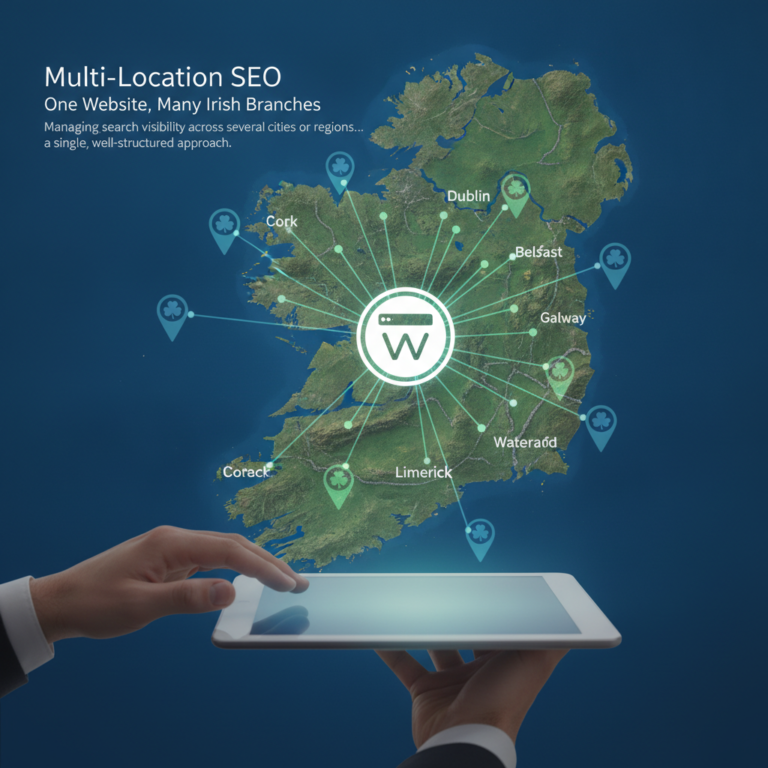 Multi-Location SEO: One Website, Many Irish Branches