
If you’re running paid advertising campaigns, click fraud is one of the most expensive problems you might not even know you have. Every day, businesses pour money into Google Ads, Meta campaigns, and other pay-per-click platforms — only to lose a significant portion of that budget to fake clicks generated by bots, competitors, or click farms. It’s not a fringe issue. According to estimates from fraud detection firm CHEQ, click fraud costs advertisers globally over $35 billion annually. Understanding how it works, how to identify it, and what you can actually do about it is essential for anyone serious about digital marketing performance.
What Is Click Fraud and Why Does It Happen?
Click fraud occurs when someone — or something — clicks on a paid advertisement without any genuine intention of engaging with the product or service being advertised. The click registers, the advertiser pays, and nothing useful comes of it.
The motivations vary more than most people realise. A competitor might repeatedly click your ads to exhaust your daily budget, effectively pushing you off the page. Publishers using display networks sometimes generate fake traffic to inflate the commissions they earn from ad impressions. Then there are botnets — networks of infected devices that automatically click ads at scale, often completely invisibly.
The Three Main Sources of Click Fraud
Competitors are perhaps the most obvious culprits. In highly competitive industries like legal services, insurance, or home improvement, a single click can cost £50 or more. Draining a rival’s ad budget can be a genuinely attractive (if unethical) strategy.
Invalid bot traffic is more widespread and harder to attribute. Sophisticated bots mimic human browsing behaviour — they move a cursor, pause before clicking, and even scroll down a page — making them difficult to detect through basic analytics.
Ad networks and fraudulent publishers sit at the third point of the triangle. Some low-quality websites in display networks inflate their traffic figures to earn more from the ads they host, cycling fake visitors through pages to trigger impressions and clicks.
How to Spot Click Fraud: The Warning Signs
Catching click fraud isn’t always straightforward, but there are patterns that stand out when you know what to look for.
Unusual Spikes in Click Volume
If your click-through rate suddenly doubles or triples overnight with no corresponding change in your campaign settings, that’s a red flag. Genuine traffic tends to grow gradually in response to optimisation or seasonal demand — it doesn’t spike sharply and then flatline.
Check your Google Ads dashboard for sudden surges in clicks from specific IP addresses, geographic regions, or devices. A flood of clicks from an unexpected country where you don’t operate is a classic indicator.
High Click Volume, Low Conversions
This is one of the most telling signs. Legitimate traffic converts at some rate — even if small. If you’re seeing thousands of clicks but your conversion rate has dropped to near zero, the clicks aren’t coming from real buyers.
Pair this with your bounce rate data in Google Analytics. Fraudulent clicks often result in sessions that last just one or two seconds, with users landing on a page and immediately leaving (or the session being logged with no real engagement at all).
Repetitive Patterns in Your Data
Real human behaviour is messy and varied. Fraudulent traffic tends to be oddly consistent — the same time of day, the same session duration, clicks coming in at suspiciously regular intervals. Tools like Google Analytics 4 allow you to dig into session timing and behaviour flows that can reveal these mechanical patterns.
The Real Cost of Click Fraud to Your Business
It’s tempting to think of click fraud as a minor annoyance rather than a serious business problem, but the financial damage compounds quickly.
Consider a small business spending €3,000 per month on Google Ads. Industry research suggests that somewhere between 10% and 30% of paid ad traffic can be invalid depending on the sector. At the conservative end, that’s €300 per month — €3,600 per year — spent on clicks that will never convert. For a business watching its margins carefully, that’s a meaningful loss.
Beyond the direct financial waste, click fraud distorts your campaign data. When your analytics are polluted with fake sessions, your decisions about which keywords, ads, and audiences perform well become unreliable. You might pause a genuinely successful campaign because its metrics look weak after being skewed by fraud.
How to Stop Click Fraud: Practical Steps That Work
Use Google’s Built-In Invalid Click Protections
Google does filter out a proportion of invalid clicks automatically and credits advertisers accordingly. You can view this in your Google Ads account under the "Invalid Clicks" column in your campaign reports. It’s not a complete solution, but it’s a baseline.
If you notice suspicious activity, you can also submit a manual invalid click report to Google. While there’s no guarantee of a full refund, documented and clearly anomalous traffic patterns are often reviewed.
Set Up IP Exclusions
One of the most direct tools available to you is IP exclusion. If you identify a specific IP address generating repeated clicks without conversions, you can block it directly within your Google Ads campaign settings.
This works well for competitor click fraud, where the same office or location tends to be the source. It’s less effective against large botnets that rotate IPs constantly, but it remains a useful layer of protection.
Use Third-Party Click Fraud Detection Software
For businesses with meaningful ad budgets, dedicated fraud detection tools are worth considering. Platforms like ClickCease, TrafficGuard, and Lunio (formerly PPC Shield) monitor your ad traffic in real time, automatically blocking suspicious IPs and providing detailed reports on invalid activity.
These tools typically operate by setting a script on your website that tracks behavioural signals — mouse movements, scroll depth, time on page, and interaction patterns — to distinguish real users from bots. Most offer trial periods, so you can see the scale of your fraud problem before committing to a subscription.
Tighten Your Targeting
Broader targeting opens the door to more fraud. Narrowing your audience by geography, device type, and time of day doesn’t just improve relevance — it reduces your exposure to low-quality traffic sources.
If you’re seeing click fraud from specific regions where you don’t do business, exclude those locations entirely. Running campaigns only during business hours in your target market can also reduce overnight bot traffic that tends to spike when human monitoring drops off.
Regularly Audit Your Display Network Placements
Display advertising is particularly vulnerable to fraud because your ads appear across thousands of third-party websites, many of which you’ve never reviewed. In Google Ads, go to your placement reports and look for websites generating high impressions and clicks but zero conversions.
You can exclude individual placements or restrict your display campaigns to managed placements — a curated list of sites you’ve specifically approved. It limits reach, but it dramatically improves quality.
Click Fraud in Different Industries
Some sectors face disproportionately high fraud rates, largely because their cost-per-click values make them attractive targets.
Legal and financial services sit at the top of the risk pyramid. Keywords like "personal injury lawyer" or "mortgage broker" can attract CPCs of €50–€100 in competitive markets, making each fraudulent click expensive.
E-commerce faces high volumes of bot traffic, particularly around peak seasons like Black Friday, when ad spending surges and fraudsters know budgets are large.
Local service businesses — plumbers, electricians, roofers — are frequently targeted by competitors in the same area, where ad space is limited and a single customer can be worth thousands in lifetime value.
Understanding your industry context helps calibrate how seriously you need to approach fraud prevention and how much investment in third-party tools is justified.
Frequently Asked Questions
What is the difference between click fraud and invalid clicks?
Invalid clicks is the broader term used by Google to describe any click that doesn’t reflect genuine user interest, including accidental clicks, clicks from Google’s own crawlers, and deliberate fraudulent activity. Click fraud specifically refers to intentional, deceptive clicking designed to waste an advertiser’s budget. Google filters many invalid clicks automatically, but not all fraudulent activity is caught.
How do I know if my campaigns are being targeted by click fraud?
Look for a combination of signals: sudden unexplained spikes in click volume, a sharp drop in conversion rate, very short average session durations, and traffic from unusual geographic locations. Running an invalid click report in Google Ads and comparing it against your Analytics data is a good starting point.
Is click fraud illegal?
In many jurisdictions, yes. In the UK and Ireland, deliberate click fraud can fall under computer misuse legislation and fraud law. However, prosecution is rare and difficult, largely because attribution is challenging and the perpetrators are often anonymous or based overseas. Prevention is far more practical than legal remedy.
Do small businesses need to worry about click fraud?
Absolutely. Small businesses are often more vulnerable because they have tighter budgets and less capacity to absorb wasted spend. Even a few hundred euros of fraudulent clicks per month can meaningfully impact a small campaign’s ROI. Basic steps like monitoring your traffic data and using IP exclusions cost nothing.
Will Google reimburse me for fraudulent clicks?
Google does credit advertisers for clicks it identifies as invalid through its automatic systems. If you identify suspicious activity that wasn’t filtered, you can submit a manual report. Reimbursements aren’t guaranteed, but Google does review credible cases. Third-party tools give you more control and detailed evidence to support any claims.
Conclusion
Click fraud is a real, costly, and largely invisible problem that affects businesses of every size. The good news is that it’s not something you have to simply accept. By monitoring your campaign data closely, using the tools already available within platforms like Google Ads, and considering third-party fraud detection software for larger budgets, you can significantly reduce your exposure.
The key is staying proactive. Fraud patterns evolve, new bot techniques emerge, and the advertising landscape shifts constantly. Treat click fraud prevention not as a one-time fix but as an ongoing part of how you manage your paid campaigns — because every euro or pound you protect from fraudulent clicks is a euro or pound working for your actual business growth.
Want Help Protecting Your Ad Budget?
If you’re concerned about click fraud affecting your campaigns, or if you’d simply like a second opinion on how your paid advertising is performing, our team is here to help. Whether you want to talk through your current setup, get advice on fraud prevention tools, or explore how to get more from your existing budget, we’re happy to have that conversation.
Reach out at a time that suits you — email us at moc.ssobebolg@ofni or call us on +353 1 868 2345 and we’ll point you in the right direction.
Related Posts
 Spot Orphan Pages and Strengthen Site Navigation
 Lower CPCs And Stop Funding Your Competition
 Stop Losing Clients In First 90 Days: Strategies For Agencies
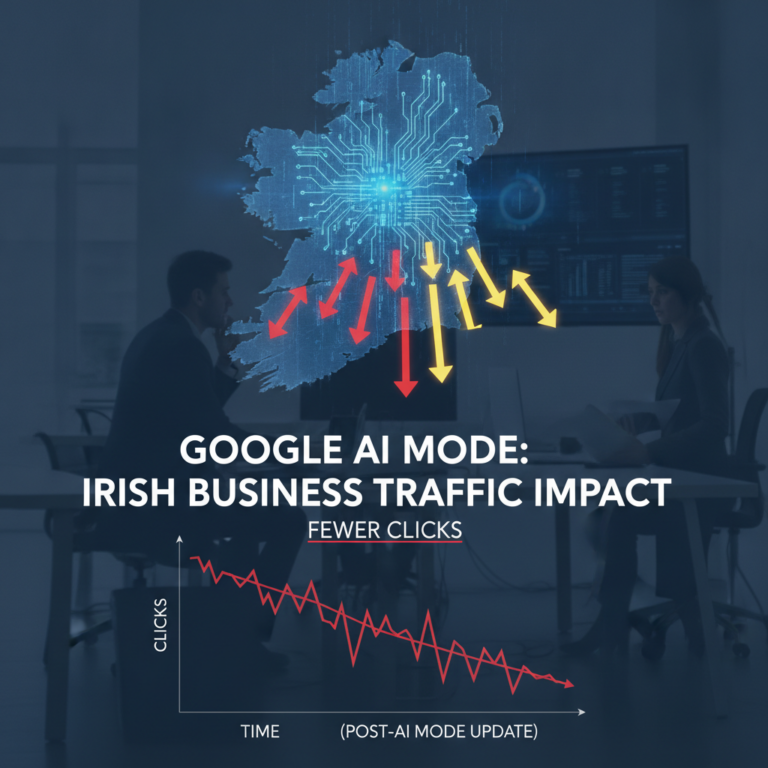 Google AI Mode Sends Fewer Clicks: Irish Business Traffic Impact Analysis
 How to Write Meta Descriptions That Get Clicks
 How to Write Meta Descriptions That Get More Clicks
 How to Write Social Media Captions That Stop the Scroll
 Clicks to Customers