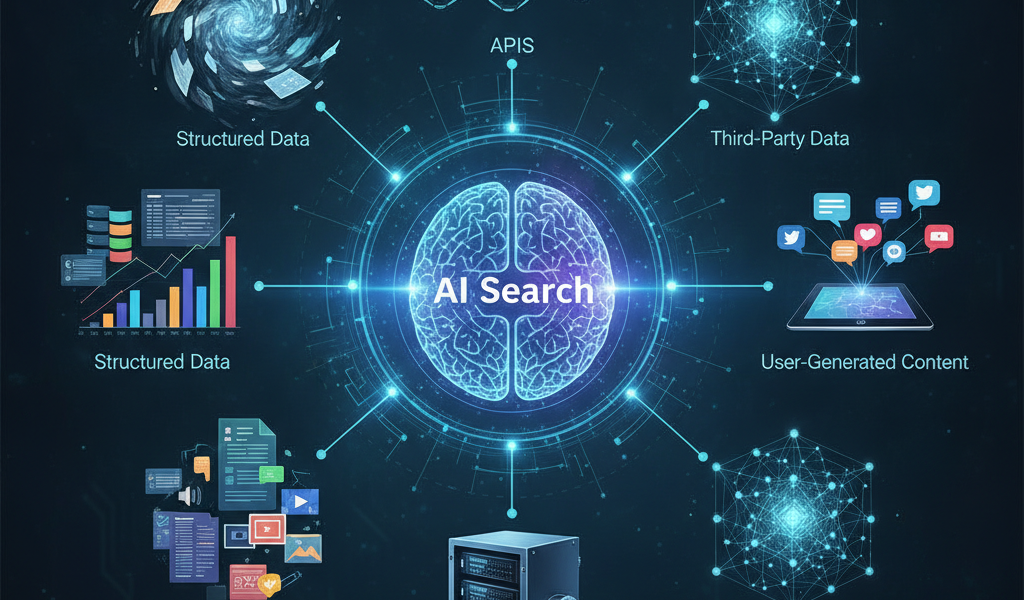
What are Crucial Data Sources for AI Search?
The effectiveness of AI search systems hinges on diverse data sources. These data sources include structured data, unstructured data, APIs, third-party data, internal databases, user-generated content, and knowledge graphs. Each plays a vital role in enabling AI to deliver accurate and relevant search results.
The Importance of Structured Data
Structured data refers to highly organized information that is easily searchable in databases. Examples include customer databases, inventories, and any data formatted for relational database management systems. For AI search, structured data can enhance accuracy in information retrieval, enabling faster and more relevant search results.
Using Schema Markup
Incorporating schema markup can make structured data easily interpretable by search engines. Businesses can enhance their visibility by marking up their data, which helps AI make sense of the context. For a specific example in Dublin, a local restaurant can implement schema to highlight menu items and prices, allowing AI to present this information more effectively during searches.
Unstructured Data: Harnessing its Power
Unstructured data consists of information that doesn’t follow a predefined format, such as emails, social media posts, and images. This type of data often holds valuable insights used in AI search algorithms.
Text Analytics for Insights
Implementing text analytics tools can extract meaningful information from unstructured text data. For example, businesses can analyse customer reviews or social media interactions to understand sentiment and trends. In Ireland, using tools like Google Cloud Natural Language or IBM Watson can reinforce your understanding of customer preferences and refine your search capabilities.
APIs: Connecting to the Right Data
APIs (Application Programming Interfaces) allow access to a diverse range of datasets that can enrich AI search functionalities. They enable real-time data integration, which is essential for responsive search capabilities.
Key API Sources
- Google Search API: Offers access to Google’s search index, helping improve queries.
- Social Media APIs: Integrate data from platforms like Twitter and Facebook to gauge trends.
- Weather APIs: For industries such as travel and hospitality, weather data can refine search results for specific conditions.
Leveraging Internal Databases
Your company’s internal databases are treasure troves of information not readily available to the outside world. Using these databases can offer unique insights tailored specifically to your business context.
Improving Internal Search Functions
By analysing internal data, businesses can refine their AI search algorithms to focus on relevant keywords and phrases. For instance, a Dublin-based ecommerce firm might analyse its sales database to identify trending products, which can guide marketing strategies and promotional campaigns.
Third-Party Data: Expanding Horizons
Third-party data sources, such as demographic and firmographic data, can provide additional context for AI searches.
Best Practices for Using Third-Party Data
- Choose Reputable Sources: Opt for well-established providers that comply with data regulations.
- Integrate with Caution: Ensure your AI systems can manage third-party data without violating privacy or security protocols.
User-Generated Content: Tapping into Community Insights
User-generated content, such as comments, reviews, and forums, can significantly enrich AI search results by providing authenticity and relatability.
Encouraging Engagement
Encouraging users to contribute reviews or participate in discussions can create a rich feedback loop. This data can inform AI search algorithms to prioritise content that reflects real user sentiments and needs.
Knowledge Graphs: Organising Information
Knowledge graphs are databases that store knowledge in a structured manner. They can connect various entities, allowing AI to draw meaningful relationships between them.
Implementing a Knowledge Graph
Organising data into a knowledge graph can enhance the relevance of search results. Businesses in Dublin looking to adopt AI can start building their knowledge graph by mapping out entities connected to their industry, product, and customer preferences.
FAQs
What are the best sources for structured data?
Structured data can come from databases, API endpoints, CRM systems, and standardised forms like CSV files.
How can unstructured data improve AI search?
Unstructured data, when analysed, can provide context and sentiment that enhance the relevancy of search results based on user needs and preferences.
Is integrating third-party data complicated?
While it can be complicated, following best practices, such as ensuring compliance with data regulations, can simplify the process.
What tools can I use for text analytics?
Common tools like Google Cloud Natural Language, Microsoft Azure Text Analytics, and IBM Watson can analyse unstructured text data effectively.
How do I begin implementing a knowledge graph?
Start with identifying key entities in your domain, then establish their relationships. Once this framework is created, you can populate your knowledge graph over time.
Conclusion
Utilising the right data sources for AI search is crucial for businesses aiming to provide relevant and timely results. By leveraging structured and unstructured data, APIs, internal databases, third-party data, user-generated content, and knowledge graphs, organisations can significantly enhance their search capabilities. For more insights into optimising your online presence, you can consider a free SEO audit or explore The Traffic Playbook.
For further assistance, email info@globeboss.com or call +353 1 868 2345.