
Anyone who runs a website knows that traffic fluctuations are part of the digital landscape. However, nothing can cause a sinking feeling quite like a sudden drop in site traffic. Such drops can have significant implications for businesses, content creators, and anyone relying on website visits for engagement or revenue. Understanding the causes of these drops requires a detailed and systematic investigation.
To diagnose sudden traffic drops effectively, follow this structured, step-by-step SEO investigation process.
Step 1: Identify the Timeline of the Drop
Analyzing the Data
Before diving into potential culprits, it’s essential to pinpoint when the traffic drop occurred. Start by reviewing analytics data to establish a timeline. Google Analytics is an indispensable tool at this stage. Create custom reports to examine day-by-day traffic trends.
Contextualizing the Data
Understanding the context can be extremely beneficial. It’s important to consider external factors such as:
-
Seasonality: Certain industries experience predictable highs and lows in traffic due to seasons, holidays, or events. If your traffic drops right after a major holiday or event, it may simply be part of a natural trend rather than a problem.
-
Algorithm Updates: Google frequently updates its algorithms, impacting search rankings and traffic. Keeping track of when these changes occur is vital. The SEO community often discusses these updates, so sources like Moz or Search Engine Journal can provide timely insights.
Using Google Search Console
Don’t ignore Google Search Console. It can help identify if there were changes in impressions or clicks around the time you noticed the drop.
Step 2: Check for Technical Issues
Site Health Audit
Technical issues can be the root cause of traffic drops. An audit should cover the following areas:
-
Site Uptime: Use monitoring tools like UptimeRobot or Pingdom to check if your site was down during the period in question. Extended downtime can lead to a significant loss of traffic.
-
Crawl Errors: Check Google Search Console for crawl errors. If Googlebot struggles to access your site, it will impact your rankings and, consequently, your traffic.
-
Broken Links: Use tools like Screaming Frog or Ahrefs to identify broken links. If key pages are down, they can lead to lost traffic.
-
Page Speed: A slow website can deter visitors and lead to increased bounce rates. Tools like Google PageSpeed Insights provide insights into how your site performs and what needs improvement.
HTTPS Issues
If your website recently migrated to HTTPS, ensure there are no mixed content issues, and that all URLs correctly redirect to the secure versions. If you have lost secure links or users, it can result in significant traffic drops.
Step 3: Analyze On-Page and Off-Page Factors
Content Quality
Inspect the quality of your content. Ask yourself:
-
Is it Relevant?: Search intent changes over time. If your content no longer aligns with what users are searching for, your traffic may drop.
-
Freshness: Outdated content can diminish search performance. Regularly update old articles or consider publishing new ones to retain rankings and engage your audience.
-
User Experience: High bounce rates may indicate that your content isn’t engaging users. Engage in A/B testing to evaluate what works best.
Backlink Profile
Your backlink profile is a significant factor in your site’s authority and ranking:
-
Lost Backlinks: Use tools like Ahrefs to analyse your backlink profile. If you’ve lost critical backlinks, it could contribute directly to your drop in traffic.
-
Toxic Backlinks: Sometimes a drop in traffic may be associated with spammy backlinks. Use tools to audit and disavow low-quality links that can harm your site.
Step 4: Analyze Competitor Activity
Competitor Benchmarking
Understanding competitor activity can help contextualize your traffic drop. Research your competitors:
-
New Entrants: New sites or established competitors changing strategies can pose threats to your traffic. Use tools like SEMrush or SimilarWeb to track their performance.
-
Content Strategy: Analyze competitors’ new content. They might have created content that is ranking for keywords you’ve been targeting, which could directly affect your traffic.
Market Trends
There may be broader market trends influencing multiple competitors simultaneously. Issues such as changes in consumer behavior, new technologies, or evolving needs can provide context for your site’s traffic drop.
Step 5: Investigate Changes in Keyword Rankings
Keyword Monitoring
One of the primary reasons for traffic drops is a drop in rankings for important keywords. Use Google Search Console or dedicated tools like SEMrush or Ahrefs to track your keyword performance.
-
Ranking Shifts: Determine which keywords have moved down in ranking and correlate this with traffic data.
-
New Rankings: Conversely, are there new keywords that could bring traffic? If you have published new content, are those pages ranking as expected?
Long-Tail Keywords
Don’t overlook the micro-targeted, long-tail keywords. Often, blogs and niche sites depend on these keywords for traffic. Check if you’ve lost positioning for these terms as they can contribute significantly, albeit in smaller volumes.
Step 6: Explore User Behavior Analytics
Bounce and Time on Page
Analyze metrics like bounce rates and average time spent on the site. High bounce rates may suggest that visitors are not finding what they need, leading to traffic losses. Tools like Hotjar can provide heatmaps and engagement metrics to understand user interactions better.
Audience Insights
Territory matters. If a particular traffic source has dwindled (like organic or referral), investigate demographic shifts or content relevancy. Users’ needs change; keeping content aligned with audience interests is essential.
Step 7: Review Recent Changes to the Site
Recent Updates
Understand if any recent updates have been made to the site that could have led to a drop in traffic:
-
Design Changes: Sometimes, a redesign can have unintended consequences.
-
URL Changes: Ensure that any URL changes include proper 301 redirects.
Plugin or Theme Updates
If you’re using platforms like WordPress, updates to plugins or themes can sometimes conflict, impacting functionality. Roll back updates where necessary to see if it resolves issues.
Step 8: Leverage Social Media and Referral Traffic
Social Signals
If your website relies heavily on social traffic, analyse social media activity. Has your content been shared less often? Input from influencers or changes in social algorithms can directly impact the visibility of your posts.
Referral Sources
Using Google Analytics, review your referral sources. A significant drop from a particular source can indicate that you are no longer being featured or that the source has changed how they link to your site.
Step 9: Conduct Local SEO Evaluations
For businesses with a physical presence, local SEO factors can be crucial:
-
Google My Business: Is your listing updated and verified? Changes here can impact local traffic significantly.
-
Local Reviews: Are there recent negative reviews affecting your local search ranking? Encouraging happy customers to leave reviews can boost your local visibility.
Step 10: Document Findings and Create an Action Plan
Comprehensive Reporting
Document all findings in a structured manner. Create an in-depth report that discusses:
- All the potential causes of the drop
- Supporting data and insights
- Recommendations for addressing these issues
Actionable Steps
Based on your analysis, develop an action plan. Set clear objectives and timelines for implementing strategies to regain lost traffic.
By systematically following these steps, you can diagnose the root causes of sudden traffic drops and take informed actions to mitigate their effects, ultimately driving recovery and growth for your site. The process requires diligence and critical analytical skills, but the clarity gained by investigating these areas will equip you to better navigate future traffic challenges.
Related Posts
 Increase Foot Traffic in Dublin with SEO
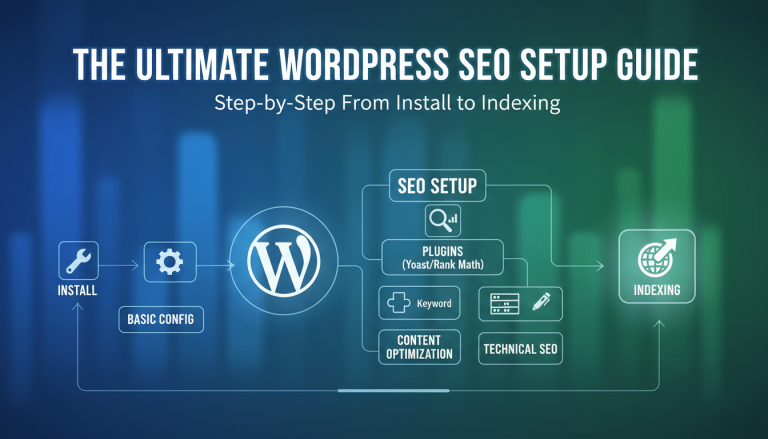 The Ultimate WordPress SEO Setup Guide: Step-by-Step From Install to Indexing
 How does AI Search (SGE) impact organic traffic for Irish publishers?
 SEO Guide Step By Step
 How to Rank Top on Google Maps A Simple Step-by-Step Irish Guide
 8 Technical SEO Audits That Will Find Your Hidden Traffic Leaks
 Hit By a Google Algorithm Update A 5-Step Recovery Plan
 Boost Your Domain Rating Quickly and Safely A Step-by-Step Guide